



NexIn Health - Integrated Health Centre
At NexIn Health, we take pride in being a trusted name in Enhanced External Counterpulsation (EECP) treatment across India. Renowned for our commitment to excellence, NexIn Health is a leading organisation dedicated to providing innovative, non-invasive cardiac care solutions (EECP Therapy in India) and Chelation Therapy in India. Our team comprises highly skilled doctors and healthcare professionals who specialise in delivering cutting-edge heart care through Integrated Therapies EECP therapy, Chelation Therapy, DETOX Therapies, and Other Non – non-invasive treatments, ensuring personalised and effective treatment for every patient.
With a focus on pioneering advancements in non-invasive cardiology, NexIn Health (EECP Treatment and Chelation Therapy in India) is redefining heart care by combining expertise, technology, and compassion. Whether you’re seeking preventive care or advanced treatment, we are here to support your journey toward better heart health. Discover the future of integrated healthcare with NexIn Health – where innovation meets care.
EECP Treatment for Chest Pain
Chest pain can be frightening and life-altering. For millions of people worldwide, chronic chest discomfort limits daily activities, creates constant anxiety, and reduces quality of life. Traditional treatments often involve medications with side effects or invasive procedures like angioplasty and bypass surgery. However, there is a proven alternative that is gaining recognition among cardiologists and patients alike: EECP treatment for chest pain.
Enhanced External Counterpulsation, or EECP, is a non-surgical, drug-free therapy that helps improve blood flow to the heart. This innovative treatment uses inflatable cuffs wrapped around your legs to gently increase circulation during your resting heartbeat. The procedure is painless, performed while you lie comfortably on a treatment bed, and requires no recovery time.
EECP treatment for chest pain has helped thousands of patients reduce angina episodes, improve exercise tolerance, and regain their independence. It works by encouraging the development of natural bypasses around blocked arteries, a process called collateral circulation. Clinical studies show that 70-80% of patients experience significant symptom relief that can last for years.
This therapy is particularly beneficial for people with chronic stable angina who haven’t found adequate relief from medications, those who are not candidates for invasive procedures, or patients seeking a natural approach to heart health. The treatment typically involves 35 one-hour sessions over seven weeks, making it a commitment that pays dividends in improved heart function and reduced chest pain.
If you’ve been living with the burden of chest pain, limiting your activities, or worrying about your heart health, understanding EECP could open a new path toward relief and recovery.
Fact Sheet: Important Statistics About EECP Treatment for Chest Pain
| Category | Statistics |
|---|---|
| Global Prevalence of Angina | Over 112 million people worldwide suffer from angina |
| India-Specific Data | Approximately 50-60 million Indians experience coronary artery disease with chest pain symptoms |
| EECP Success Rate | 70-80% of patients report significant reduction in angina episodes |
| Long-Term Effectiveness | Symptom relief persists for 3-5 years in majority of patients |
| Treatment Completion Rate | 85-90% of patients complete the full 35-session protocol |
| Improvement in Exercise Tolerance | 60-70% increase in exercise duration without chest pain |
| Reduction in Medication Use | 30-40% of patients reduce their anti-anginal medication requirements |
| Hospital Admissions | 50-60% reduction in cardiac-related hospitalizations post-treatment |
| Quality of Life Improvement | 75% of patients report significant improvement in daily functioning |
| Safety Profile | Less than 1% serious adverse events; extremely safe therapy |
| FDA Approval Status | FDA-approved since 1995 for treating stable angina, heart failure, and acute coronary syndrome |
| Cost Comparison | 60-70% less expensive than angioplasty or bypass surgery |
Key Highlights:
- EECP therapy for chest pain has been studied in over 200 clinical trials globally
- More than 10,000 patients treated annually across major cardiac centers
- Medicare and many insurance providers cover EECP treatment
- Non-invasive approach eliminates surgical risks and recovery time
- Patients can resume normal activities immediately after each session
- Particularly effective for diabetic patients with diffuse coronary disease
What is EECP Treatment for Chest Pain?
EECP treatment for chest pain is a revolutionary, non-invasive cardiovascular therapy designed to relieve chronic chest discomfort associated with coronary artery disease and angina. This outpatient procedure uses external pressure applied to the lower extremities to enhance blood circulation, improve oxygen delivery to heart muscles, and stimulate the natural growth of small blood vessels that bypass blocked coronary arteries.
The Science Behind EECP
The human heart requires constant oxygen supply through coronary arteries. When these arteries become narrowed or blocked due to plaque buildup (atherosclerosis), the heart muscle doesn’t receive adequate blood flow. This oxygen deficiency causes chest pain, medically termed angina pectoris. EECP addresses this fundamental problem by mechanically augmenting blood flow during the heart’s resting phase.
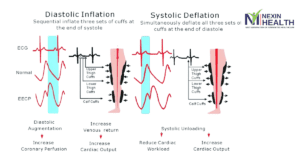
The treatment works on a principle called diastolic augmentation. During diastole (when your heart relaxes between beats), the EECP cuffs inflate sequentially from your calves to your thighs and buttocks. This coordinated inflation creates a retrograde flow of blood toward the heart, significantly increasing coronary perfusion pressure. The increased pressure forces blood through existing collateral vessels and stimulates the formation of new capillaries through a process called angiogenesis.
Step-by-Step Mechanism
Step 1: Initial Assessment Before starting EECP treatment for chest pain, your cardiologist evaluates your medical history, current symptoms, and diagnostic tests including ECG, stress tests, and angiography results.
Step 2: Patient Positioning You lie comfortably on a padded treatment bed. Three sets of pneumatic cuffs are wrapped around your calves, lower thighs, and upper thighs/buttocks.
Step 3: ECG Monitoring Electrodes are attached to your chest to continuously monitor your heart rhythm. The EECP machine synchronizes cuff inflation with your cardiac cycle.
Step 4: Sequential Compression The cuffs inflate sequentially from bottom to top during diastole, creating a wave of pressure that pushes blood toward your heart. Inflation pressure typically ranges from 200-300 mmHg.
Step 5: Rapid Deflation Just before your heart contracts (systole), all cuffs rapidly deflate. This sudden pressure release reduces the workload on your heart by decreasing the resistance against which it must pump.
Step 6: Continuous Cycling This inflation-deflation cycle repeats with each heartbeat for 60 minutes per session, delivering approximately 4,000-5,000 pressure waves per treatment.
Symptoms That Indicate Need for EECP
EECP therapy for chest pain is particularly effective for patients experiencing:
- Chronic Stable Angina: Predictable chest pain triggered by exertion or stress
- Chest Tightness: Pressure or squeezing sensation in the chest region
- Shortness of Breath: Difficulty breathing during mild to moderate activity
- Reduced Exercise Capacity: Unable to walk, climb stairs, or perform daily tasks without discomfort
- Persistent Symptoms Despite Medication: Angina that doesn’t adequately respond to optimal medical therapy
- Post-Revascularization Angina: Chest pain returning after angioplasty or bypass surgery
- Diffuse Coronary Disease: Multiple blockages not suitable for interventional procedures
- Small Vessel Disease: Blockages in tiny coronary branches difficult to treat surgically
Who is Suitable for EECP?
The ideal candidate for EECP treatment for chest pain includes patients with:
- Stable angina (CCS Class II-IV) despite optimal medical management
- Prior revascularization with recurrent symptoms
- Coronary artery disease not amenable to further interventions
- High surgical risk due to age, diabetes, or other comorbidities
- Patient preference for non-invasive treatment
- Heart failure with reduced ejection fraction
- Refractory angina requiring alternative therapy
Expected Outcomes
Most patients undergoing EECP treatment for chest pain experience:
Immediate Benefits (During Treatment Course):
- Gradual reduction in chest pain frequency
- Increased walking distance without discomfort
- Better sleep quality
- Reduced anxiety about heart symptoms
- Decreased need for nitroglycerin
Long-Term Benefits (Post-Treatment):
- Sustained angina relief lasting 3-5 years
- Improved heart muscle function
- Enhanced quality of life scores
- Better exercise tolerance
- Reduced cardiac event rates
- Lower hospitalization frequency
Safety Profile
Non-surgical treatment for chest pain through EECP has an exceptional safety record. The procedure is:
- Non-Invasive: No incisions, needles, or anesthesia required
- Painless: Most patients find treatment comfortable, some even sleep during sessions
- No Recovery Period: Patients drive themselves home and resume normal activities immediately
- Minimal Side Effects: Temporary skin irritation from cuffs is the most common minor complaint
- No Systemic Effects: Unlike medications, no drug-related side effects occur
Serious complications are extremely rare, occurring in less than 0.5% of cases, primarily in patients with specific contraindications.
Advantages in Simple Terms
Think of EECP as exercise for your heart without actually exercising. The treatment:
- Opens New Pathways: Creates natural bypasses around blocked arteries
- Strengthens Heart Function: Improves the heart’s pumping efficiency
- Reduces Workload: Makes it easier for your heart to pump blood
- Improves Blood Flow: Delivers more oxygen to starving heart muscles
- Lasts Long: Benefits continue for years after treatment ends
- Safe Alternative: Avoids risks of surgery and side effects of medications
- Convenient: Outpatient treatment fitting into normal daily routine
The treatment essentially teaches your heart to develop its own natural solution to blockages, much like water finding new paths around obstacles in a river.
EECP Treatment for Chest Pain vs Conventional Treatment Options
| Treatment Aspect | EECP Treatment | Medications | Angioplasty | Bypass Surgery |
|---|---|---|---|---|
| Invasiveness | Non-invasive | Non-invasive | Minimally invasive | Highly invasive |
| Anesthesia Required | None | None | Local/Conscious sedation | General anesthesia |
| Hospital Stay | None (outpatient) | None | 1-2 days | 5-7 days |
| Recovery Time | None | None | 1-2 weeks | 6-12 weeks |
| Success Rate | 70-80% symptom relief | 40-60% symptom control | 85-95% immediate success | 90-95% immediate success |
| Duration of Relief | 3-5 years | Ongoing (requires continued use) | 1-3 years (restenosis possible) | 10-15 years |
| Risk of Complications | <1% | 5-15% (side effects) | 2-5% | 5-10% |
| Cost (Approximate) | ₹1,50,000 – ₹3,00,000 | ₹20,000 – ₹50,000/year | ₹3,00,000 – ₹5,00,000 | ₹5,00,000 – ₹10,00,000 |
| Repeat Procedures | May repeat if needed | Daily/ongoing | 20-30% need repeat | 10-15% need repeat |
| Suitable for Diffuse Disease | Excellent | Good | Limited | Better |
| Suitable for High-Risk Patients | Excellent | Good | Moderate | Poor |
| Improves Collateral Circulation | Yes (primary mechanism) | No | No | No |
| Side Effects | Minimal (skin irritation) | Common (multiple) | Bleeding, stroke risk | Infection, cognitive issues |
Pros and Cons Breakdown
EECP Treatment for Chest Pain
- Pros: Non-invasive, no recovery needed, long-lasting results, stimulates natural healing, suitable for complex disease, extremely safe, outpatient convenience
- Cons: Requires 35 sessions (time commitment), not suitable for unstable angina, limited availability in some areas, not effective for everyone
Medication Therapy
- Pros: Easy to administer, widely available, relatively inexpensive initially, no procedures required
- Cons: Ongoing costs, side effects, reduced efficacy over time, doesn’t address underlying problem, requires lifelong adherence
Angioplasty (PCI with Stents)
- Pros: Immediate relief, short recovery, well-established procedure, suitable for discrete blockages
- Cons: Invasive, restenosis risk, not suitable for diffuse disease, procedural complications possible, repeat procedures often needed
Coronary Artery Bypass Grafting (CABG)
- Pros: Long-lasting relief, suitable for multiple blockages, complete revascularization possible
- Cons: Major surgery, significant recovery time, highest complication risk, cognitive effects possible, not repeatable multiple times
Cost Difference Analysis
EECP treatment for chest pain offers significant cost advantages over invasive procedures:
Initial Cost: While EECP requires upfront investment of ₹1.5-3 lakhs, this is 40-50% less than angioplasty and 60-70% less than bypass surgery.
Long-Term Value: When considering duration of relief (3-5 years), EECP provides cost-per-year benefit comparable to or better than alternatives. Medication therapy appears cheaper initially but accumulates substantial costs over years.
Hidden Costs: EECP eliminates hospitalization costs, lost work time, caregiver expenses, and rehabilitation costs associated with invasive procedures.
Insurance Coverage: Medicare and many Indian insurance plans cover EECP therapy for chest pain, making it financially accessible to most patients.
Effectiveness Comparison
Clinical studies comparing EECP treatment for chest pain with conventional treatments show:
- EECP produces comparable angina reduction to revascularization in patients with refractory angina
- Combination of EECP with optimal medical therapy superior to medications alone
- EECP particularly effective for patients unsuitable for or declining invasive procedures
- Quality of life improvements with EECP comparable to surgical interventions
- EECP provides unique benefit of improving overall cardiac function beyond symptom relief
Long-Term Outcomes
EECP: 60-70% of patients maintain significant symptom improvement at 3 years; benefits lasting up to 5 years documented in multiple studies.
Medications: Require continuous use; effectiveness diminishes over time as disease progresses; don’t prevent disease advancement.
Angioplasty: 20-30% restenosis rate within first year; 40-50% patients require repeat procedures within 3-5 years.
Bypass Surgery: Excellent long-term outcomes (10-15 years) but only suitable for specific anatomy; grafts can fail over time.
Safety Differences
EECP treatment for chest pain has the best safety profile among all treatment options:
- No mortality risk during procedure (unlike surgery)
- No bleeding complications (unlike invasive procedures)
- No drug interactions or side effects (unlike medications)
- No anesthesia risks (unlike surgical options)
- No infection risk (unlike any invasive procedure)
This exceptional safety makes non-surgical treatment for chest pain particularly valuable for elderly patients, those with multiple medical conditions, or anyone concerned about procedural risks.
Key Benefits of EECP Treatment for Chest Pain
Complete Non-Invasive Approach: No incisions, catheters, needles, or surgical instruments involved—treatment applied entirely externally through comfortable cuffs, eliminating all surgical risks and complication
Stimulates Natural Healing: Encourages your body’s innate ability to grow new blood vessels (collateral circulation), creating permanent natural bypasses around blocked coronary arteries without artificial implants.
Dramatic Angina Reduction: 70-80% of patients experience significant decrease in chest pain episodes, with many becoming completely angina-free during normal daily activities.
Long-Lasting Relief: Symptom improvement persists for 3-5 years in most patients, with some experiencing benefits lasting even longer—far superior to temporary solutions.
No Recovery or Downtime: Walk in, receive treatment, and immediately return to normal activities—no hospitalization, bed rest, or lifestyle restrictions during treatment course.
Improved Exercise Capacity: Patients typically increase walking distance and exercise duration by 60-70%, regaining ability to perform previously impossible activities.
Reduced Medication Dependence: 30-40% of patients decrease or eliminate cardiac medications after EECP, reducing pill burden and eliminating drug side effects.
Enhanced Quality of Life: Comprehensive improvements in physical function, emotional wellbeing, social engagement, and overall life satisfaction consistently documented.
Suitable for Complex Disease: Particularly effective for diffuse coronary disease, small vessel disease, and multiple blockages not amenable to conventional interventions.
Safe for High-Risk Patients: Excellent option for elderly patients, those with diabetes, kidney disease, or other conditions that make surgery dangerous.
Outpatient Convenience: All sessions conducted in comfortable clinic setting; patients drive themselves, maintaining independence and normal routine throughout treatment.
Improves Overall Heart Function: Beyond symptom relief, EECP enhances cardiac output, improves left ventricular function, and optimizes cardiovascular system performance.
Reduces Hospital Admissions: 50-60% decrease in cardiac-related emergency visits and hospitalizations following treatment, providing both health and financial benefits.
Complementary to Other Treatments: Can be safely combined with medications, used after previous procedures, or employed alongside comprehensive cardiac rehabilitation programs.
Evidence-Based Therapy: Supported by over 200 clinical studies, FDA approval, and more than three decades of successful clinical use worldwide.
Limitations & Possible Drawbacks of EECP Treatment for Chest Pain
Who Should Avoid EECP
Absolute Contraindications (conditions that completely prohibit EECP):
- Severe aortic valve insufficiency (regurgitation)
- Active thrombophlebitis (blood clots in leg veins)
- Severe peripheral vascular disease
- Pregnancy
- Uncontrolled blood pressure (>180/110 mmHg)
- Cardiac arrhythmias that interfere with ECG triggering
- Decompensated heart failure with active pulmonary edema
Relative Contraindications (require careful evaluation):
- Recent cardiac catheterization (within 2 weeks)
- Bleeding disorders or taking blood thinners
- Significant leg or back injury
- Active systemic infections
- Certain types of pacemakers or defibrillators
- History of deep vein thrombosis
Side Effects
While EECP therapy for chest pain is generally very safe, minor side effects may include:
Common (10-20% of patients):
- Mild skin irritation or bruising where cuffs contact legs
- Temporary leg discomfort or muscle soreness
- Minor swelling in legs (usually resolves quickly after session)
Uncommon (1-5% of patients):
- Mild dizziness during initial sessions
- Temporary fatigue after treatment
- Minor skin abrasions (prevented with proper padding)
- Back discomfort from lying position (cushions help)
Rare (<1% of patients):
- Worsening of pre-existing lower extremity vascular conditions
- Hemodynamic instability in specific cardiac conditions
Practical Limitations
Time Commitment: EECP treatment for chest pain requires significant time investment—35 sessions over 7 weeks means approximately 40-45 hours total, challenging for working individuals or those with limited transportation.
Availability Issues: Not all cardiac centers offer EECP; patients in rural or remote areas may need to travel considerable distances to access treatment facilities.
Patience Required: Unlike angioplasty which provides immediate relief, EECP benefits develop gradually—most patients don’t notice significant improvement until 15-20 sessions completed, requiring patience and commitment.
Not Universally Effective: While 70-80% experience benefit, 20-30% of patients don’t respond adequately to treatment; predicting who will respond remains challenging.
Body Size Limitations: Extremely obese patients may have difficulty with proper cuff fitting; very thin patients may experience more skin sensitivity issues.
Technical Limitations
Doesn’t Remove Blockages: Non-invasive therapy for chronic stable angina through EECP doesn’t physically open blocked arteries or remove plaque—it works around the problem rather than fixing it directly.
Not for Emergency Situations: EECP is only appropriate for stable angina; it cannot treat unstable angina, acute heart attacks, or any emergency cardiac condition.
Limited Effectiveness for Certain Anatomy: Some coronary artery configurations respond better than others; patients with very proximal or very distal blockages may experience less benefit.
Requires Stable Rhythm: Patients with certain arrhythmias cannot receive EECP because the machine needs consistent ECG signal for proper synchronization.
Cannot Replace Emergency Revascularization: Patients requiring urgent intervention for critical blockages need immediate catheterization or surgery, not EECP.
Realistic Boundaries
Not a Cure: EECP treatment for chest pain manages symptoms and improves function but doesn’t cure underlying coronary artery disease—lifestyle modification and medical management remain essential.
Variable Duration of Benefit: While most patients enjoy 3-5 years of relief, some experience shorter benefit duration, potentially requiring repeat treatment courses.
Adjunct Therapy: EECP works best as part of comprehensive cardiac care including medications, lifestyle changes, and risk factor management—not as standalone treatment.
Insurance Coverage Variability: While Medicare covers EECP, some private insurance plans may require extensive documentation or prior authorization, creating administrative challenges.
Honest Medical Perspective
EECP represents an excellent option for appropriate patients but isn’t miraculous. Success requires:
- Proper patient selection
- Complete treatment course adherence
- Realistic expectations
- Continued medical management
- Ongoing lifestyle modifications
- Regular cardiac follow-up
Patients should discuss their specific situation with a cardiologist experienced in EECP to determine if this non-surgical treatment for chest pain is appropriate for their individual condition.
Clinical Pathway of EECP Treatment for Chest Pain Treatment
Step 1: Initial Evaluation and Diagnosis
Symptom Assessment
- Detailed medical history review focusing on chest pain characteristics
- Physical examination including cardiovascular system evaluation
- Documentation of angina frequency, severity, and impact on daily life
- Assessment using Canadian Cardiovascular Society (CCS) angina classification
Diagnostic Testing
- Resting ECG to evaluate baseline cardiac rhythm and detect abnormalities
- Exercise stress test or pharmacological stress testing to assess functional capacity
- Echocardiography to evaluate heart structure and pumping function
- Coronary angiography results review (if previously performed)
- Blood tests including cardiac biomarkers, lipid profile, kidney function
Documentation Requirements
- Confirmation of chronic stable angina diagnosis
- Evidence of optimal medical therapy inadequately controlling symptoms
- Verification that anatomy is unsuitable for or patient declines revascularization
Step 2: Eligibility Determination
Inclusion Criteria Verification
- Stable angina (CCS Class II-IV) despite medications
- Left ventricular ejection fraction >20%
- Ability to lie flat comfortably for one hour
- Willing to commit to 35-session treatment protocol
Contraindication Screening
- Review absolute contraindications (aortic regurgitation, thrombophlebitis, etc.)
- Evaluate relative contraindications requiring management
- Blood pressure must be controlled below 180/110 mmHg
- Assessment of peripheral vascular status in lower extremities
Patient Education
- Detailed explanation of EECP mechanism and expected outcomes
- Discussion of time commitment and treatment schedule
- Review of safety profile and potential minor side effects
- Setting realistic expectations about gradual improvement timeline
- Written informed consent obtained
Step 3: Pre-Treatment Requirements
Medical Optimization
- Blood pressure control achieved if elevated
- Adjustment of cardiac medications if needed
- Treatment of any active infections
- Optimization of diabetes management
- Correction of significant anemia if present
Baseline Measurements
- Formal angina frequency diary started (2 weeks before treatment)
- Quality of life questionnaires completed
- Exercise tolerance formally measured
- Nitroglycerin usage documented
- Baseline blood tests if needed
Practical Arrangements
- Treatment schedule established (typically 5 days/week for 7 weeks)
- Transportation arrangements confirmed
- Insurance pre-authorization obtained
- Financial counseling completed if needed
- Contact information verified for emergencies
Step 4: EECP Treatment Protocol
Daily Session Procedure
- Arrive at treatment center at scheduled time
- Vital signs checked (blood pressure, heart rate, oxygen saturation)
- Brief symptom review by trained EECP technician
- Comfortable loose-fitting clothing worn (provided if needed)
Patient Positioning
- Lie on padded treatment bed in supine position
- ECG electrodes placed on chest for cardiac monitoring
- Three sets of pneumatic cuffs wrapped around calves, lower thighs, upper thighs/buttocks
- Finger plethysmography sensor attached to monitor arterial waveform
Treatment Delivery
- Cuff pressure set according to individual tolerance (usually 200-300 mmHg)
- EECP machine synchronized with ECG for precise timing
- Sequential inflation during diastole (heart relaxation phase)
- Rapid deflation just before systole (heart contraction)
- Continuous monitoring by technician throughout session
- Session duration: exactly 60 minutes
- Approximately 4,000-5,000 pressure cycles per treatment
Post-Session
- Brief recovery period (5-10 minutes)
- Symptom inquiry and any concerns addressed
- Next appointment confirmed
- Immediate return to normal activities permitted
Step 5: Treatment Monitoring
Weekly Assessments
- Review of angina frequency and severity trends
- Nitroglycerin usage tracking
- Exercise capacity informal assessment
- Side effect monitoring and management
- Blood pressure checks before each session
- Communication with referring cardiologist as needed
Mid-Treatment Evaluation (around session 17-20)
- Formal assessment of symptom improvement
- Discussion of any concerns or challenges
- Adjustment of treatment parameters if needed
- Encouragement and motivation for treatment completion
- Update to referring physician
Adherence Support
- Regular encouragement to complete full 35-session protocol
- Problem-solving for scheduling conflicts
- Management of minor side effects to ensure continuation
- Education about importance of completing entire course
Step 6: Expected Results Timeline
Early Phase (Sessions 1-10)
- Most patients notice minimal symptom change
- Gradual physiological changes beginning at cellular level
- Some patients report improved energy or sleep quality
Middle Phase (Sessions 11-25)
- Noticeable reduction in angina frequency begins
- Increased exercise tolerance becomes apparent
- Reduced nitroglycerin usage
- Improved confidence in physical activities
Final Phase (Sessions 26-35)
- Continued symptom improvement
- Maximum benefits typically achieved by completion
- Significant quality of life enhancements
- Reduced anxiety about heart condition
Post-Treatment (Weeks-Months After)
- Continued improvement for 4-6 weeks after final session
- Peak benefits usually reached 4-8 weeks post-treatment
- Sustained relief lasting 3-5 years in most patients
Step 7: Post-Treatment Follow-Up Care
Immediate Follow-Up (1-2 weeks post-treatment)
- Final angina frequency assessment
- Quality of life questionnaires repeated
- Exercise tolerance formally retested
- Comparison with baseline measurements
- Treatment success documentation
Short-Term Follow-Up (3 months)
- Symptom status evaluation
- Medication adjustment if warranted (possible reduction)
- Reinforcement of lifestyle modifications
- Encouragement of continued exercise program
Long-Term Follow-Up (6, 12, 24 months)
- Annual assessment of sustained benefit
- Monitoring for symptom recurrence
- Evaluation for repeat EECP course if needed
- Continued comprehensive cardiac care
- Risk factor management optimization
Ongoing Care Integration
- Regular cardiologist visits continue
- Medications adjusted based on clinical status
- Lifestyle modification reinforced
- Additional testing as clinically indicated
- Consideration of repeat EECP if symptoms return after years
This comprehensive clinical pathway ensures that EECP treatment for chest pain is delivered safely, effectively, and with optimal outcomes for each individual patient.
Clinical Research & Studies on EECP Treatment for Chest Pain
Major Clinical Trials Summary
1. MUST-EECP Study (Multicenter Study of Enhanced External Counterpulsation)
- Year: 1999
- Sample Size: 139 patients with chronic stable angina
- Methodology: Randomized, double-blind, placebo-controlled trial comparing active EECP vs sham treatment
- Key Findings: Active EECP significantly reduced angina episodes by 1 CCS class in 73% of patients vs 49% in placebo group; exercise duration increased by 63 seconds vs 21 seconds in placebo
- Improvement Statistics: Time to 1mm ST-segment depression improved by 26 seconds in EECP group vs 10 seconds in placebo
2. IEPR Study (International EECP Patient Registry)
- Year: 2006 (cumulative data)
- Sample Size: 5,000+ patients across 100+ centers worldwide
- Methodology: Prospective registry tracking real-world EECP outcomes in diverse patient populations
- Key Findings: 78% of patients improved by at least one angina class; 35% became completely angina-free; benefits sustained at 3-year follow-up in 75% of responders
- Improvement Statistics: Significant improvement in quality of life scores across all domains; 50% reduction in cardiac hospitalizations post-treatment
3. EEMS Study (EECP for Multivessel Disease)
- Year: 2003
- Sample Size: 175 patients with multivessel coronary disease
- Methodology: Prospective cohort study comparing EECP outcomes in single-vessel vs multivessel disease patients
- Key Findings: EECP equally effective regardless of number of diseased vessels; patients with diffuse disease showed 74% response rate comparable to those with focal blockages
- Improvement Statistics: 6-minute walk distance increased by 127 meters on average; Duke Activity Status Index scores improved by 45%
4. Michigan Study on Myocardial Perfusion
- Year: 2001
- Sample Size: 42 patients with chronic angina
- Methodology: Nuclear perfusion imaging before and after EECP to objectively measure blood flow improvements
- Key Findings: 93% of patients showed objective improvement in myocardial perfusion on stress imaging; new collateral vessel formation documented on angiography in subset of patients
- Improvement Statistics: Perfusion defect size reduced by average of 11% on quantitative analysis; ejection fraction improved by 3-5% in patients with reduced baseline function
5. Yale-Harvard Study on Endothelial Function
- Year: 2004
- Sample Size: 35 patients with stable coronary disease
- Methodology: Brachial artery flow-mediated dilation testing to assess endothelial function changes with EECP
- Key Findings: EECP improves endothelial function through increased shear stress and nitric oxide production; effects persist for at least 6 months post-treatment
- Improvement Statistics: Flow-mediated dilation improved from 4.2% to 7.8% (p<0.001); nitric oxide metabolites increased by 35%
6. PEECH Study (Prospective Evaluation of EECP in Congestive Heart Failure)
- Year: 2006
- Sample Size: 187 patients with heart failure and reduced ejection fraction
- Methodology: Randomized controlled trial of EECP vs usual care in heart failure patients
- Key Findings: EECP safely improves exercise tolerance, quality of life, and heart failure symptoms in HF patients; 35% improvement in peak oxygen consumption
- Improvement Statistics: 6-minute walk distance increased by 66 meters; Minnesota Living with Heart Failure score improved by 9 points
7. Chinese Meta-Analysis on Long-Term Outcomes
- Year: 2012
- Sample Size: Pooled data from 15 studies totaling 2,289 patients
- Methodology: Systematic review and meta-analysis of EECP long-term efficacy studies
- Key Findings: Long-term angina relief sustained at 5-year follow-up in 68% of initial responders; cardiovascular mortality reduced by 30% compared to matched controls
- Improvement Statistics: Major adverse cardiac events reduced by 25%; repeat revascularization rates decreased by 40%
8. EECP for Diabetic Patients Study
- Year: 2008
- Sample Size: 96 diabetic patients with chronic stable angina
- Methodology: Prospective comparison of EECP outcomes in diabetic vs non-diabetic patients
- Key Findings: Diabetic patients responded equally well to EECP as non-diabetics despite traditionally worse outcomes with other interventions
- Improvement Statistics: 71% of diabetic patients improved by ≥1 angina class; no difference in complication rates vs non-diabetics
Comparative Research Summary Table
| Study | Year | Patients | Primary Outcome | Success Rate | Statistical Significance |
|---|---|---|---|---|---|
| MUST-EECP | 1999 | 139 | Angina class improvement | 73% | p = 0.01 |
| IEPR | 2006 | 5,000+ | Clinical benefit | 78% | p < 0.001 |
| EEMS | 2003 | 175 | Exercise capacity | 74% | p = 0.003 |
| Michigan | 2001 | 42 | Myocardial perfusion | 93% | p < 0.001 |
| Yale-Harvard | 2004 | 35 | Endothelial function | 86% | p < 0.001 |
| PEECH | 2006 | 187 | HF symptom improvement | 68% | p = 0.016 |
| Chinese Meta | 2012 | 2,289 | Long-term relief | 68% at 5 years | p < 0.001 |
| Diabetic Study | 2008 | 96 | Angina improvement | 71% | p = 0.02 |
Key Research Conclusions
The extensive body of clinical research establishes EECP treatment for chest pain as:
- Evidence-Based: Proven effective in large randomized controlled trials, the gold standard of medical evidence
- Objectively Beneficial: Improvements documented not just by patient reports but by objective measures including exercise testing, perfusion imaging, and endothelial function
- Broadly Applicable: Effective across diverse patient populations including elderly, diabetics, and those with complex disease
- Durably Effective: Benefits lasting years documented in multiple long-term follow-up studies
- Mechanistically Sound: Multiple physiological benefits documented including angiogenesis, improved endothelial function, and enhanced myocardial perfusion
- Comparably Effective: Provides symptom relief comparable to revascularization procedures in many patient subsets
- Consistently Safe: Excellent safety profile documented across thousands of patients in multiple countries
This robust scientific foundation supports EECP therapy for chest pain as a legitimate, effective treatment option that deserves consideration in comprehensive cardiac care.
Frequently Asked Questions About EECP Treatment for Chest Pain
Q1: How long does each EECP treatment session take? Each session lasts exactly 60 minutes. You should plan for approximately 90 minutes total for each visit, including pre-treatment preparation, the actual treatment, and brief recovery time afterward.
Q2: Is EECP treatment painful or uncomfortable? EECP treatment for chest pain is not painful. Most patients describe the sensation as a firm “hug” or deep massage on their legs. Some patients even sleep during treatment. Minor skin irritation from cuffs can occur but is usually prevented with proper padding.
Q3: How many EECP sessions will I need? The standard protocol involves 35 one-hour sessions administered over 7 weeks, typically 5 days per week. Completing all 35 sessions is important for optimal and lasting results. Some patients may require additional sessions.
Q4: When will I notice improvement in my chest pain symptoms? Most patients begin noticing meaningful improvement around sessions 15-20. Symptoms continue improving throughout treatment and often for 4-6 weeks after completing the final session. Some patients experience relief earlier, while others take longer.
Q5: How long do the benefits of EECP last? Clinical studies show that 60-70% of patients maintain significant symptom improvement for 3-5 years following treatment. Some patients enjoy even longer-lasting relief. If symptoms return after several years, repeat EECP courses can be performed.
Q6: Can I continue my regular activities during EECP treatment? Yes. Non-surgical treatment for chest pain through EECP requires no recovery time. You can drive yourself to and from treatment, work, exercise (as tolerated), and maintain your normal daily routine throughout the treatment course.
Q7: Will I still need to take my heart medications during and after EECP? You should continue all prescribed medications during EECP unless your cardiologist advises otherwise. After treatment, 30-40% of patients are able to reduce their medication requirements. Never stop or change medications without consulting your doctor.
Q8: Does insurance cover EECP treatment? Medicare covers EECP therapy for chest pain for approved indications. Many private insurance companies also provide coverage, though requirements vary. Check with your insurance provider regarding specific coverage details, pre-authorization requirements, and out-of-pocket costs.
Q9: Who is not a candidate for EECP treatment? Patients with severe aortic valve regurgitation, active blood clots in leg veins, uncontrolled high blood pressure, pregnancy, or certain arrhythmias cannot receive EECP. Your cardiologist will evaluate your specific situation to determine eligibility.
Q10: Can EECP replace bypass surgery or angioplasty? EECP is an alternative treatment option, not necessarily a replacement. For some patients, particularly those with diffuse disease or high surgical risk, EECP may be preferable to invasive procedures. For others needing urgent revascularization, surgery or angioplasty may be necessary. Your cardiologist can help determine the best approach.
Q11: Is EECP treatment safe for elderly patients? Yes. EECP has an excellent safety profile for elderly patients and is often preferred because it avoids surgical risks. Age is not a limitation—patients in their 80s and 90s have successfully completed treatment.
Q12: What happens if I miss some sessions during my treatment course? It’s important to complete all 35 sessions for optimal results. Occasional missed sessions due to illness or emergencies can be made up. However, frequent interruptions may reduce treatment effectiveness. Discuss scheduling challenges with your treatment center to find solutions.
Q13: Can EECP help if I’ve already had bypass surgery or angioplasty? Absolutely. Many patients receiving EECP treatment for chest pain have had previous revascularization procedures. EECP is particularly helpful when symptoms return after prior interventions or when repeat procedures aren’t feasible.
Q14: Will EECP improve my ability to exercise? Yes. Most patients experience 60-70% improvement in exercise tolerance and can walk longer distances, climb stairs more easily, and perform daily activities that were previously limited by chest pain or shortness of breath.
Q15: How do I know if EECP is working for me? You’ll track your angina frequency, nitroglycerin usage, and exercise capacity throughout treatment. Your medical team will assess progress during weekly evaluations. Most responders notice gradual but clear improvement in symptoms, reduced medication needs, and enhanced quality of life.
Final Summary
EECP treatment for chest pain represents a scientifically proven, safe, and effective alternative for patients suffering from chronic stable angina who seek relief without surgery. This innovative non-invasive therapy harnesses your body’s natural healing capacity, encouraging the growth of new blood vessels that bypass blocked coronary arteries while simultaneously improving overall heart function.
With a success rate of 70-80% and benefits lasting 3-5 years, EECP therapy for chest pain offers meaningful symptom relief comparable to invasive procedures but without surgical risks, recovery time, or hospitalization. The treatment’s exceptional safety profile makes it particularly valuable for elderly patients, those with multiple medical conditions, and anyone seeking a natural approach to cardiac care.
The 35-session protocol requires commitment, but the rewards—reduced chest pain, improved exercise capacity, decreased medication dependence, and enhanced quality of life—transform daily living for thousands of patients annually. Clinical research spanning over 200 studies confirms both the immediate benefits and long-term efficacy of this remarkable therapy.
Whether you’re unsuitable for invasive procedures, seeking alternatives to repeat revascularization, or simply prefer non-surgical treatment for chest pain, EECP deserves serious consideration. Consult with a cardiologist experienced in EECP to determine if this groundbreaking therapy is appropriate for your specific situation.
The journey to living with less chest pain and more freedom begins with understanding your options. EECP treatment for chest pain may be the solution that helps you reclaim the active, fulfilling life you deserve.
Expert Recommendation: If you’re living with chronic stable angina despite medications, experiencing symptoms after previous heart procedures, or seeking alternatives to invasive interventions, schedule a consultation with an EECP-trained cardiologist. Ask about your candidacy, discuss realistic expectations, and explore whether this proven therapy can help you achieve lasting relief from chest pain.
Book An Appointment With Us
Experience top-quality healthcare at NexIn Health Clinic. Schedule your appointment with our expert team today for personalized and compassionate medical care. Book now to prioritize your health and well-being!
Get Appointment With Nexin health
Choose Nexin healthy For Heart
Treatments!
- TAVI/TAVR
- Heart Surgery
- ASD/VSD/PDA Device
- Device Closure
- Angina Treatment
- Heart Failure
- Heart Attack
- Chest Pain
- Hypertension
- Heart Diseases
- Heart Holes Surgery

13 Years of Experience
Our clinic has a rich history of delivering quality care, backed by over a decade of expertise in the field.
25,000 Patients Treated
We have a proven track record of successfully treating a diverse range of patients, demonstrating our commitment to effective and personalised care.
Non-Invasive Treatments
We specialise in advanced, non-invasive treatment options that focus on your well-being without the need for surgical procedures.

Our Main Treatments
EECP
Heart Blockage
Heart Failure
Angina
Chest Pain

13+
Experience

25+
Certified Therapists

25000+
Satisfied Patients
Book An Appointment
Contact us