Exercise in Winter for Heart Failure Patients: What Needs to Change?



Exercise in Winter for Heart Failure Patients: What Needs to Change?
If you have heart failure, staying active is important for your health. But when winter comes, you need to change how you exercise. Cold weather puts extra stress on your heart. This can make your symptoms worse and even lead to serious problems. Many heart patients don’t know that understanding winter exercise risks properly can help save lives.
Note: Sudden temperature drops are more dangerous than consistently cold weather.
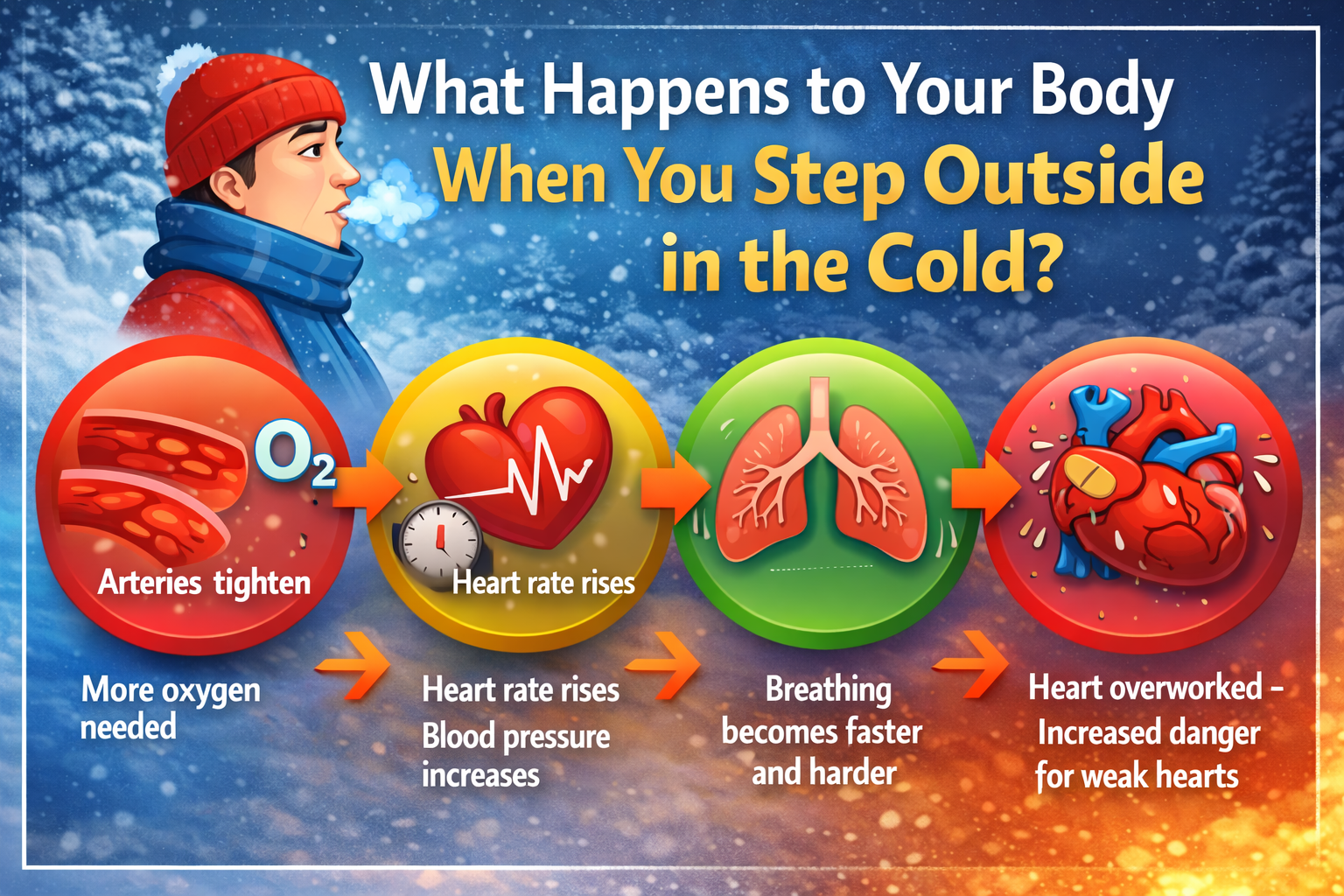
Cold weather changes how your body works. When temperatures drop, your blood vessels become narrow. This is called vasoconstriction. Your heart must pump harder to push blood through these tight vessels. For healthy people, this is not a big problem. But for heart failure patients, this extra work can be dangerous.
Cold air also makes your blood thicker. Thick blood forms clots more easily. These clots can block blood flow to your heart or brain. This is why understanding how cold weather affects exercise safety in heart failure becomes so critical during winter months.
Understanding cold temperature and heart health helps you stay safe. Here are the biggest dangers:
Rule #1: Check Temperature Before You Go Out
Never exercise outdoors when the temperature is below 5°C (41°F). If there is wind, stay inside even if the temperature is higher. Use a wind chill calculator to know the “real feel” temperature.
Rule #2: Warm Up for Longer Time
In summer, 5 minutes of warm-up might be enough. In winter, take at least 10-15 minutes to warm up indoors before going outside. Start with gentle movements like arm circles, leg swings, and slow walking.
Rule #3: Dress in Layers
Wear three layers of clothing:
Don’t forget to cover your head, hands, and neck.
Rule #4: Breathe Through Your Nose
Breathing through your nose warms the air before it reaches your lungs. Cold air directly in your lungs can trigger breathing problems and chest pain.
Rule #5: Exercise During Warmest Hours
Plan your outdoor activity between 10 AM and 3 PM when the temperature is highest. Avoid early morning and late evening workouts.
| Activity | Benefit |
|---|---|
| Walking in Shopping Malls | Many malls open early for walkers. The temperature is controlled, and you can walk safely without cold exposure. |
| Swimming in Heated Pools | Water exercise is gentle on joints and good for your heart. Make sure the pool is heated to at least 28°C (82°F). |
| Treadmill Exercise | Walking on a treadmill at home or gym lets you control speed and avoid cold weather completely. |
| Stationary Cycling | This low-impact exercise strengthens your heart without joint stress. Start slow and gradually increase time. |
| Chair Exercises | If mobility is limited, chair exercises help maintain strength and flexibility safely indoors. |
If you must exercise outdoors, follow these safety steps:
Cold weather naturally raises blood pressure. For heart failure patients, this increase can be dangerous. Your winter blood pressure might be 5-10 points higher than summer readings.
Winter can mask or change how heart attack symptoms feel. Know these warning signs:
| Classic Symptoms | Winter-Specific Symptoms |
|---|---|
| Chest pressure or squeezing pain | Unusual tiredness after cold exposure |
| Pain spreading to arms, jaw, or back | Chest discomfort that feels like “cold burning” |
| Shortness of breath | Breathing difficulty that doesn’t improve indoors |
| Cold sweat | Dizziness or lightheadedness in cold weather |
| Nausea or vomiting |
Warning: If you experience any of these symptoms, call emergency services immediately. Don’t wait to see if symptoms go away.
| Parameter | Summer Exercise | Winter Exercise |
|---|---|---|
| Best Time | Early morning or evening | Midday (10 AM – 3 PM) |
| Duration | 30-45 minutes | 15-30 minutes |
| Warm-up Time | 5 minutes | 10-15 minutes |
| Heart Rate Increase | Normal range | 10-20% higher |
| Blood Pressure | Baseline levels | 5-10 mmHg higher |
| Hydration Needs | High awareness | Often forgotten |
| Clothing Layers | 1-2 light layers | 3 protective layers |
| Risk Level | Moderate | High |
| Indoor Options | Less critical | Highly recommended |
| Cool-down Time | 5 minutes | 10 minutes indoors |
Note: Always consult a qualified homeopathic doctor before starting any treatment. These remedies work best alongside conventional medicine, not as replacements.
Enhanced External Counterpulsation (EECP) therapy is a safe, non-invasive treatment for heart failure patients. It uses blood pressure cuffs wrapped around your legs. These cuffs inflate and deflate in sync with your heartbeat.
EECP therapy improves blood flow to your heart muscle. This makes your heart stronger and more efficient. For winter, this means:
Treatment typically involves 35 sessions, each lasting one hour, done over 7 weeks.
Your doctor might adjust your medications in winter. Common changes include:
Schedule doctor visits every 4-6 weeks during winter instead of the usual 3-month gaps. This helps catch problems early when treatment is easier.
| What to Eat More | What to Avoid |
|---|---|
| Warm soups with vegetables | Heavy, fatty meals that stress your heart |
| Whole grains like oats and brown rice | Too much salt that raises blood pressure |
| Lean proteins like fish and chicken | Excessive caffeine that increases heart rate |
| Fresh fruits rich in vitamin C | Alcohol that dilates blood vessels suddenly |
| Nuts and seeds in small amounts | Large meals that divert blood from your heart to digestion |
Cold weather affects sleep quality. Maintain good sleep habits by keeping the bedroom warm (but not hot), using extra blankets, and sleeping on 2-3 pillows if you have breathing trouble.
Keep these ready:
Install handrails on steps, keep walkways clear of ice/snow, have a landline phone, store extra medications, and keep a flashlight and warm blankets accessible.
Don’t hesitate to call emergency services if you experience:
NexIn Health specializes in comprehensive heart care using advanced non-invasive and integrated treatment approaches. With over 14 years of experience and having consulted more than 30,000 patients, our team understands the unique challenges heart failure patients face during winter months.
We offer personalized treatment plans including EECP therapy, lifestyle modification guidance, and complete cardiac rehabilitation programs. Our integrated approach combines modern medicine with proven complementary therapies to give you the best possible outcomes.
Don’t let winter stop you from living your best life with heart failure. Our experts can help you create a safe, effective winter exercise and health management plan.
Que: Can I walk outdoors in winter if I have heart failure?
Ans: Yes, but only when temperature is above 5°C (41°F) and there is no wind. Keep walks short (15-20 minutes), dress in warm layers, and choose midday hours. Always tell someone where you’re going and carry your phone.
Que: Why does my chest feel tighter in cold weather?
Ans: Cold air causes your blood vessels to narrow. This makes your heart work harder and can trigger chest tightness or pain. If tightness doesn’t go away after warming up indoors, seek medical help immediately.
Que: Is morning exercise safe for heart failure patients in winter?
Ans: Morning exercise in winter is risky because your blood is thickest after sleep and temperatures are coldest. If you must exercise in morning, do it indoors or wait until temperature rises after 10 AM.
Que: How much water should I drink in winter?
Ans: Drink at least 6-8 glasses (1.5-2 liters) daily even if you don’t feel thirsty. Dehydration thickens your blood and increases heart attack risk. Warm herbal teas count toward your fluid intake.
Que: Can I shovel snow with heart failure?
Ans: No, snow shoveling is extremely dangerous for heart failure patients. It combines heavy physical work with cold exposure, causing many winter heart attacks. Hire someone or use a snow blower instead.
Que: Should I change my heart medications in winter?
Ans: Never change medications on your own. Your doctor might adjust doses based on winter blood pressure changes and activity levels. Schedule a check-up at the start of winter for medication review.
Que: What temperature is safe for indoor exercise?
Ans: Keep indoor exercise areas at 18-22°C (64-72°F). Too hot makes your heart work harder. Too cold defeats the purpose of staying indoors. Good ventilation is also important.
Que: Can EECP therapy help me exercise better in winter?
Ans: Yes, EECP therapy strengthens your heart and improves blood flow. Many patients report better exercise tolerance and fewer symptoms after EECP treatment, making winter activities easier and safer.
Que: What are the warning signs that I’m exercising too hard in winter?
Ans: Stop immediately if you feel chest pain, severe shortness of breath, dizziness, nausea, unusual fatigue, or irregular heartbeat. These signs mean your heart is under too much stress. Rest and warm up indoors.
Que: Are natural supplements safe to take with my heart medications?
Ans: Some natural supplements interact with heart medications. Always ask your doctor before starting any herbal or natural treatment. Bring the supplement bottle to your appointment for proper review.
Que: How do I know if my heart failure is getting worse in winter?
Ans: Watch for increased ankle swelling, needing more pillows to sleep, gaining weight quickly (2-3 kg in a week), increased tiredness, or more frequent chest discomfort. Report these changes to your doctor promptly.
Que: Can I travel to cold places with heart failure?
Ans: Travel to cold destinations needs careful planning. Consult your doctor first, carry extra medications, research nearby hospitals, and avoid strenuous activities. Consider destinations with moderate climates instead.
Que: Does indoor heating affect my heart condition?
Ans: Yes, indoor heating dries the air, which can make breathing harder and thicken mucus in your lungs. Use a humidifier to maintain 40-50% humidity. Also, sudden moves from heated indoors to cold outdoors stress your heart.
Que: What is the best time to take my blood pressure in winter?
Ans: Check blood pressure at the same time daily, preferably in the morning and evening. Measure after sitting quietly for 5 minutes in a warm room. Keep a record to share with your doctor.
Que: Can I use a heated vest or jacket for winter exercise?
Ans: Heated clothing can help, but be careful not to overheat during exercise. Your body needs to release heat when active. Use heated gear for pre-exercise warm-up and post-exercise cool-down periods.
Winter doesn’t mean you should stop exercising completely. It means you need to be smarter about how, when, and where you stay active. Why heart failure patients should modify exercise during winter is clear: cold weather creates unique challenges that need special attention and planning.
Listen to your body, follow your doctor’s advice, and make necessary adjustments to your routine. With proper precautions, you can maintain your health and quality of life throughout the winter season. Remember, your safety always comes first. When in doubt, choose indoor activities over outdoor ones.


Experience

Certified Therapists

Satisfied Patients
Contact us