Blood Pressure in Winter: Why It Increases and How to Control It
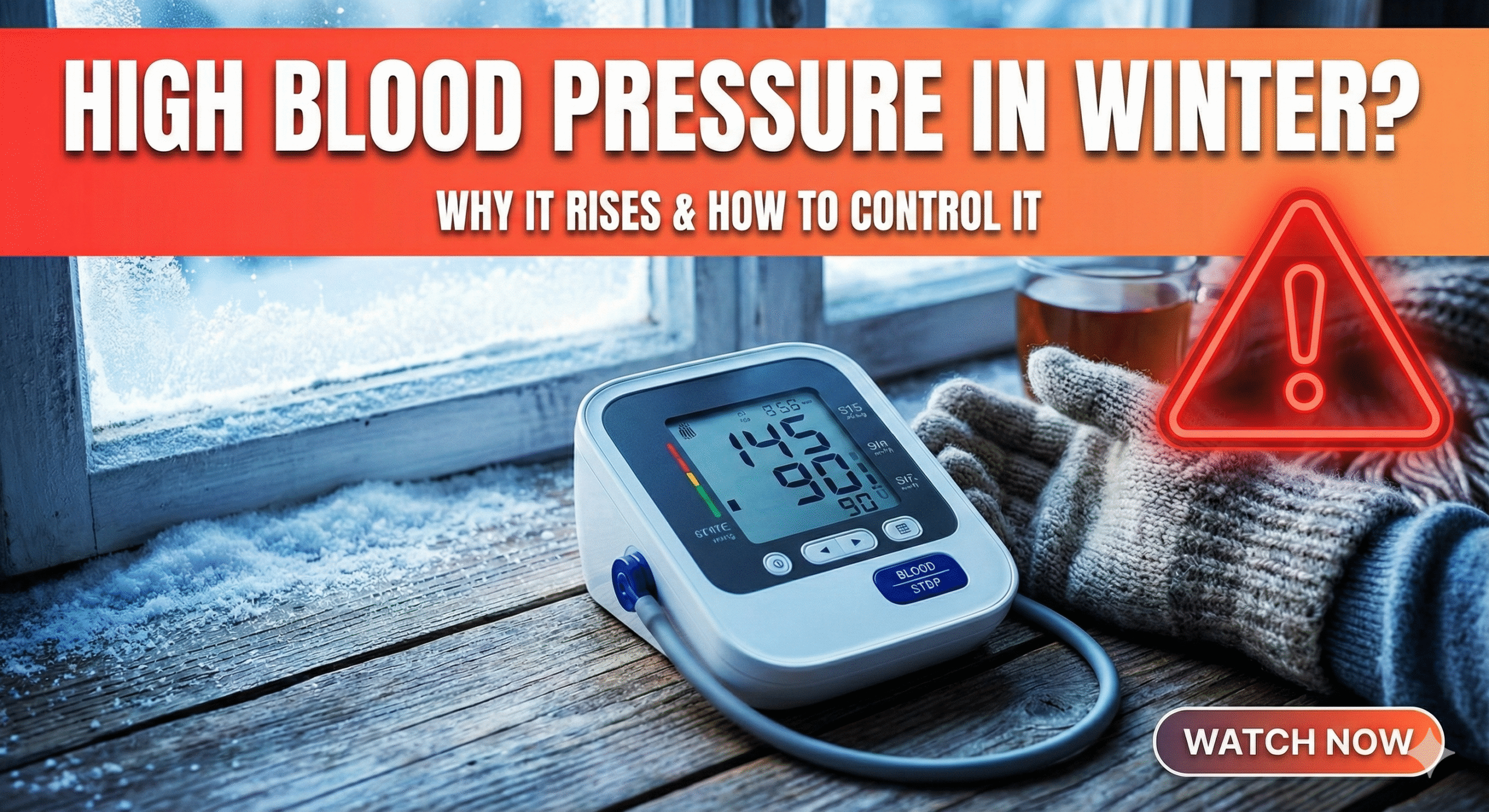



Blood Pressure in Winter: Why It Increases and How to Control It
The arrival of winter signals a profound shift in environmental conditions that extends far beyond a simple drop in temperature or the aesthetic change of the seasons. For the human cardiovascular system, the transition to colder weather represents a significant, often underestimated, physiological stress test—a period where the biological imperatives of thermoregulation collide violently with the hemodynamic limitations of the heart and vasculature. While winter is culturally associated with festivities and dormancy, biologically, it is a season of hyper-vigilance for the body. This comprehensive report explores the phenomenon known as the “Winter Paradox”: the observation that despite modern heating, clothing, and reduced outdoor exposure, cardiovascular mortality and morbidity consistently spike during the coldest months of the year.
Epidemiological data gathered from global registries, including the extensive SWEDEHEART study and the American Heart Association’s latest statistics, confirm a disturbing trend: heart failure hospitalizations increase by approximately 30% to 32% during winter compared to summer. Furthermore, the risk of suffering a myocardial infarction (heart attack) rises by roughly 31% to 53% depending on the severity of the temperature drop and the vulnerability of the population. This increase is not a statistical anomaly but the result of identifiable physiological mechanisms—primarily peripheral vasoconstriction, hemoconcentration (thickening of the blood), and the over-activation of the sympathetic nervous system.
This report serves as an exhaustive guide for patients, caregivers, and medical professionals. It dissects the science of cold-induced hypertension, explaining why blood pressure (BP) naturally elevates in cold environments and how this elevation serves as a precursor to severe cardiac events. It delves into the molecular drivers of this phenomenon, from the suppression of Nitric Oxide to the activation of the Renin-Angiotensin-Aldosterone System (RAAS) due to Vitamin D deficiency. Beyond pathology, this document provides a robust roadmap for management. It evaluates conventional pharmacological adjustments, explores the efficacy of advanced non-invasive therapies like Enhanced External Counterpulsation (EECP), and integrates evidence-based holistic approaches, including Ayurvedic protocols and nutritional strategies used by leading integrated care centers like NexIn Health.
To navigate the risks of high blood pressure in winter, one must first understand the magnitude of the threat. The seasonality of cardiovascular disease is one of the most consistent findings in medical epidemiology, yet it remains under-discussed in routine patient education. The data paints a clear picture: winter is the deadliest season for the heart.
Research indicates a robust inverse relationship between ambient temperature and heart failure admissions. A comprehensive analysis of nationwide inpatient databases reveals that heart failure admissions peak in winter (32.20%) and are lowest in summer (9.39%). This seasonal oscillation is observed globally, suggesting that the relative drop in temperature is as significant as the absolute temperature. For instance, a drop from 20°C to 10°C in a subtropical region can be as hemodynamically shocking as a drop from 0°C to -10°C in a temperate zone, due to the lack of acclimatization in the population.
The stakes are highest in the coldest months. In-hospital mortality rates for heart failure patients rise significantly in winter, reaching approximately 2.40% compared to 2.11% in summer. This mortality excess is not limited to extreme cold; studies show that for every 1°C (1.8°F) drop in outdoor temperature, the risk of cardiovascular death increases by approximately 1.6%. This linear relationship implies that even mild winter days pose a greater risk than typical summer days.
A distinct and dangerous sub-pattern within the winter season is the “Holiday Heart” phenomenon. Mortality data confirms that cardiac deaths do not occur randomly; they peak specifically on December 25th (Christmas Day), December 26th, and January 1st. This holiday spike is attributed to a “perfect storm” of factors that exacerbate the baseline winter risk:
Delayed Care: Patients often postpone seeking medical attention for symptoms like chest pain or breathlessness to avoid disrupting holiday celebrations or traveling families.
Dietary Indiscretion: High-sodium holiday meals (hams, gravies, preserved foods) lead to rapid fluid retention and acute decompensation in heart failure patients.
Alcohol Consumption: Binge drinking during festivities can trigger “Holiday Heart Syndrome,” specifically atrial fibrillation, which increases the risk of stroke and heart failure.
Emotional Stress: The psychosocial pressure of family gatherings, financial strain, and travel acts as a trigger for catecholamine release, further raising blood pressure.
The following table synthesizes key statistical findings regarding heart failure and hypertension in winter.
| Metric | Statistic | Implications & Context |
| Hospitalization Increase | +30% to 32% |
HF admissions surge in winter vs. summer, overwhelming healthcare systems. |
| Heart Attack Risk | +31% to 53% |
Risk increases significantly in cold months, driven by clotting and vasoconstriction. |
| Blood Pressure Rise | +5 to 10 mmHg |
Systolic BP naturally rises in winter due to vasoconstriction, increasing cardiac workload. |
| Mortality Peak | Dec 25, Dec 26, Jan 1 |
The “Holiday Heart” phenomenon is a verified statistical trend. |
| Temperature Sensitivity | +1.6% Mortality per 1°C Drop |
Even small temperature decreases translate to measurable increases in death rates. |
| Flu Complication | +6x Heart Attack Risk |
Influenza infection increases heart attack risk six-fold in the week following infection. |
| Cost Projection | $858 Billion by 2050 |
HF-related costs are projected to skyrocket, driven largely by hospitalization frequency. |
Understanding why blood pressure rises in winter requires a deep dive into human physiology and the laws of physics governing fluid dynamics. The body acts as a biological machine that must maintain a core temperature of approximately 37°C (98.6°F). When exposed to cold, the body prioritizes heat conservation over hemodynamic stability.
The most immediate and potent mechanism driving winter hypertension is peripheral vasoconstriction. When cold air contacts the skin, thermoreceptors send urgent signals to the hypothalamus. The hypothalamus activates the sympathetic nervous system to release norepinephrine.
This hormone binds to alpha-adrenergic receptors on the smooth muscle cells lining the blood vessels in the periphery—specifically the skin, hands, and feet. This causes the vessels to contract.
The Physics (Poiseuille’s Law): The flow of blood is governed by Poiseuille’s Law, which states that resistance is inversely proportional to the fourth power of the radius. Even a tiny reduction in the diameter of the blood vessels leads to a massive increase in resistance.
Systemic Vascular Resistance (SVR): In engineering terms, the “pipes” of the circulatory system narrow. To push the same volume of blood through these narrower pipes, the pump (the heart) must generate significantly higher pressure.
Afterload: For a heart with a reduced ejection fraction (HFrEF) or stiff muscles (HFpEF), this increase in afterload is devastating. The heart must work harder, consuming more oxygen (MVO2). If the coronary arteries are blocked, this increased demand cannot be met, leading to ischemia (angina) or heart failure.
Winter conditions alter the physical properties of the blood itself, a change known as hemoconcentration.
Cold Diuresis: In cold weather, the body shunts blood from the extremities to the core to preserve heat. This sudden increase in central blood volume is interpreted by the kidneys as “fluid overload.” In response, the body inhibits the release of Antidiuretic Hormone (ADH) and increases urine production to reduce volume. This process, called “cold diuresis,” leads to dehydration.
Viscosity: As water is lost, the cellular components of the blood (red blood cells, platelets) and proteins (fibrinogen) become more concentrated. The blood becomes thicker (more viscous). Pumping thick, sludge-like blood requires more pressure than pumping thin blood.
Thrombosis Risk: Elevated levels of fibrinogen and increased platelet aggregation (stickiness) in winter create a pro-thrombotic state. If a plaque ruptures due to high blood pressure, a clot is more likely to form and occlude the vessel, causing a heart attack.
Cold exposure keeps the Sympathetic Nervous System (SNS) in a state of chronic low-grade activation.
Metabolic Cost: Shivering, even micro-shivering that is not consciously felt, is a metabolic activity that consumes oxygen. This places an additional metabolic tax on the heart.
Endothelial Dysfunction: Cold stress impairs the endothelium’s ability to produce Nitric Oxide (NO), the molecule responsible for relaxing blood vessels. Without sufficient NO, vessels remain in a constricted state, perpetuating high blood pressure.
A critical aspect of winter blood pressure management is understanding the timing of risk. Cardiovascular events are not randomly distributed; they cluster in the early morning hours, a window known as the “Morning Danger Zone.”
The human body operates on a circadian rhythm. Even during sleep, the body anticipates waking up.
Cortisol Awakening Response: In the early morning hours (4:00 AM to 6:00 AM), the adrenal glands release a surge of cortisol and catecholamines (adrenaline).
Purpose: These hormones mobilize glucose and increase heart rate and blood pressure to transition the body from sleep to wakefulness.
The Winter Amplifier: In winter, this natural morning surge collides with the environmental stress of a cold bedroom or the shock of stepping out of a warm bed into cold air. The cold amplifies the sympathetic response, causing the blood pressure to spike rather than rise gently.
For patients with atherosclerosis, the morning surge is a trigger for catastrophe.
Shear Stress: The sudden hydraulic force of the rising blood pressure places mechanical stress on the fibrous cap of atherosclerotic plaques.
Rupture and Clot: If the pressure spike is too severe, the plaque ruptures. The “sticky” winter blood (high fibrinogen) rushes to the site, forming a clot that blocks the artery, leading to a myocardial infarction. This explains why heart attacks are most frequent between 6 AM and 10 AM.
While the cold affects everyone, specific groups lack the physiological reserve to adapt to these changes.
Aging is associated with a progressive decline in thermoregulation.
Loss of Insulation: Elderly individuals often have reduced subcutaneous fat, providing less insulation against heat loss.
Arterial Stiffness: Arteries naturally stiffen with age. When cold-induced vasoconstriction occurs in already stiff vessels, the resulting rise in systolic blood pressure is much more dramatic than in younger individuals.
For the millions living with heart failure, winter is the season of decompensation.
The Afterload Mismatch: A failing heart is a weak pump. Peripheral vasoconstriction increases the resistance (afterload) against which this weak pump must work. The heart struggles to push blood against this high pressure, leading to fluid backup into the lungs (pulmonary edema) and legs. This mechanism drives the 30% spike in winter hospitalizations.
Diabetes Mellitus alters the nervous system, creating a unique winter risk profile.
Autonomic Neuropathy: High blood sugar damages the nerves that control the heart and blood vessels, impairing the body’s ability to regulate temperature and blood pressure.
Silent Ischemia: Diabetic neuropathy can sever the pain signaling pathways from the heart. A diabetic patient may experience severe ischemia due to cold exposure (supply/demand mismatch) but feel no chest pain. Instead, they may feel sudden fatigue, breathlessness, or nausea. This “silent” nature leads to delayed treatment and higher mortality.
A frequently overlooked factor in winter hypertension is the role of sunlight and Vitamin D. Vitamin D is not merely a nutrient for bone health; it is a potent steroid hormone that functions as a regulator of the cardiovascular system.
The body regulates blood pressure through the Renin-Angiotensin-Aldosterone System (RAAS). The kidneys release Renin, which starts a cascade producing Angiotensin II (a vasoconstrictor) and Aldosterone (which retains salt and water).
Regulation: Research indicates that Vitamin D acts as a negative regulator—a “brake”—on the expression of the Renin gene. Sufficient Vitamin D levels suppress Renin production, keeping blood pressure in check.
In winter, reduced daylight hours and the lower angle of the sun drastically reduce cutaneous synthesis of Vitamin D.
The Deficiency Cascade: As Vitamin D levels plummet in winter, the “brake” on the RAAS system is lifted. Renin levels rise, leading to increased Angiotensin II.
Result: This hormonal shift causes chronic vasoconstriction and fluid retention, contributing to the baseline elevation of blood pressure observed in winter populations. Supplementation is therefore a critical hemodynamic strategy, not just a nutritional one.
Controlling blood pressure in winter requires a proactive approach. Patients cannot rely on summer habits; the change in physiology demands a change in lifestyle.
The first line of defense is preventing the cold pressor response.
Layering (The 3-Layer Rule):
Base Layer: Moisture-wicking material (synthetic/silk) to keep skin dry. Damp skin loses heat 25x faster than dry skin.
Insulating Layer: Wool or fleece to trap warm air.
Shell Layer: Windproof and waterproof to block cold air intrusion.
The Scarf Rule: Inhaling cold air is a direct trigger for coronary artery spasm. Patients should wear a scarf loosely over the nose and mouth. This creates a pocket of warm, humid air, pre-warming the breath before it enters the lungs.
Winter diets often shift towards sodium-rich comfort foods, which can be dangerous for heart patients.
Canned soups, stews, and cured meats are common winter foods but are loaded with sodium.
Impact: Sodium causes water retention. In winter, when sweating is reduced, this extra fluid stays in the vascular system, increasing blood volume and pressure.
Management: Avoid canned foods. Use low-sodium broth and potassium-rich vegetables (potatoes, spinach) which help excrete sodium.
Integrating Ayurvedic wisdom offers valuable insights for winter (Hemanta and Shishira seasons).
Warming Foods: To pacify Vata (cold/dry), favor cooked, warm foods like oatmeal, root vegetables (beets, carrots), and stews.
Spices: Incorporate Ginger, Turmeric, Cinnamon, and Garlic. These spices are thermogenic and have vasodilatory properties, helping to counteract vasoconstriction.
Avoid: Raw salads, cold smoothies, and iced water. These “cooling” foods can induce vasoconstriction in the digestive tract, reflexively affecting systemic circulation.
Exercise is vital but dangerous if mismanaged in winter.
Timing: Avoid early morning outdoor exercise (6 AM – 9 AM) to escape the “Morning Surge.” The best time is 10:00 AM to 3:00 PM, when temperatures are highest.
Intensity: Cold air increases cardiac workload. Reduce intensity; walk instead of run.
Indoor Alternatives: When temperatures drop below freezing, indoor mall walking or stationary cycling is safer.
For patients with established heart disease, lifestyle changes must be supported by robust medical strategies.
Medication needs often change in winter.
Diuretics: Dosages may need adjustment. Reduced sweating means fluid accumulates faster, potentially requiring increased diuretics. However, “cold diuresis” can cause dehydration, so monitoring weight is critical.
Antihypertensives: Doctors may need to increase Beta-blockers or Calcium Channel Blockers to counteract the natural 5-10 mmHg rise in BP.
For patients with refractory angina or those seeking to minimize winter risk, Enhanced External Counterpulsation (EECP) is a vital option.
EECP is an FDA-cleared, non-invasive therapy often described as a “Natural Bypass.” It uses pneumatic cuffs wrapped around the legs that inflate and deflate in sync with the heartbeat.
Diastolic Augmentation: Cuffs inflate during diastole (heart rest), squeezing blood from the legs back to the heart. This increases coronary perfusion pressure, feeding the heart muscle oxygen.
Systolic Unloading: Cuffs deflate just before the heart pumps, creating a vacuum that reduces vascular resistance (afterload). The heart pumps with less effort.
Collateralization: The therapy stimulates the release of VEGF and Nitric Oxide, promoting the growth of new blood vessels (collaterals) that bypass blockages.
This Ayurvedic bark is a potent cardiotonic.
Mechanism: It strengthens the heart muscle and improves coronary flow. Its antioxidant properties protect the endothelium from winter oxidative stress.
Usage: Typically consumed as a tea or powder with milk.
Garlic: Contains Allicin, which acts as a natural blood thinner and vasodilator, countering “thick blood”.
Ashwagandha: Lowers cortisol, helping to blunt the “Morning Surge” in blood pressure.
To “winter-proof” your heart, follow this defense checklist:
Monitor BP: Check morning BP. If consistent >5-10 mmHg rise, consult a doctor.
Hydrate: Drink 2L water daily to prevent hemoconcentration.
Vaccinate: Get the flu shot to prevent inflammatory plaque rupture.
Supplement Vitamin D: Keep RAAS in check.
Seek Advanced Therapy: Consider EECP for persistent angina.
For patients seeking specialized support, NexIn Health is a leader in non-invasive cardiac care. Located in Delhi and Noida, NexIn Health offers an “Integrated Health Approach” combining modern technology like EECP with lifestyle medicine.
With over 14 years of experience and 30,000+ consultations, the NexIn team specializes in treating heart disease and diabetes without surgery. Their expertise allows them to offer safe alternatives for high-risk winter patients.
Contact NexIn Health:
Phone / WhatsApp: +91 93101 45010
Website: www.nexinhealth.in
Email: care@nexinhealth.in
Q1: Why does blood pressure naturally go up in the winter? Ans: The primary cause is vasoconstriction. The body narrows blood vessels in the skin to conserve heat. This narrowing increases resistance, mechanically raising blood pressure by 5-10 mmHg. Lack of sweating and hormonal changes also contribute.
Q2: Is it safe to shovel snow? Ans: No, it is known as the “perfect storm” for heart attacks. It combines heavy exertion, breath-holding (raising BP), and breathing cold air (constricting arteries). It is highly dangerous for heart patients.
Q3: What is “Silent Ischemia”? Ans: A lack of oxygen to the heart without chest pain, common in diabetics due to nerve damage. In winter, it may manifest as fatigue or nausea instead of pain, leading to dangerous delays in care.
Q4: How does EECP help in winter? Ans: EECP improves circulation and endothelial function, helping blood vessels remain dilated even in cold weather. It promotes “natural bypasses” (collaterals), reducing angina frequency safely without surgery.
Q5: Why is the morning dangerous? Ans: The body releases stress hormones (cortisol) to wake you up. In winter, this surge combines with cold stress to cause a massive spike in blood pressure, which can rupture plaque and cause a heart attack.
Q6: What should I eat in winter for my heart? Ans: Eat “warming” foods like oatmeal and root vegetables. Use spices like ginger and turmeric. Avoid high-sodium canned soups and cold, raw foods that constrict digestion.
Q7: Does the flu affect my heart? Ans: Yes. The flu causes inflammation that can destabilize plaque in arteries. Heart attack risk increases 6x in the week after a flu infection.
Q8: Can I exercise outside? Ans: Only with caution. Avoid early mornings. Exercise between 10 AM and 3 PM. Wear a scarf over your mouth to warm the air. If it’s below freezing, exercise indoors.
Q9: What is the “Monday Effect”? Ans: Heart attacks are most common on Mondays due to work stress. In winter, this stress combines with the cold morning surge, doubling the risk.
Q10: Why do I need Vitamin D? Ans: Vitamin D acts as a “brake” on the hormone Renin, which raises blood pressure. In winter, lack of sun causes Vitamin D deficiency, allowing blood pressure to rise unchecked.


Experience

Certified Therapists

Satisfied Patients
Contact us