Best Summer Lifestyle Tips for Patients with Low Heart Pumping (Heart Failure Care Guide)
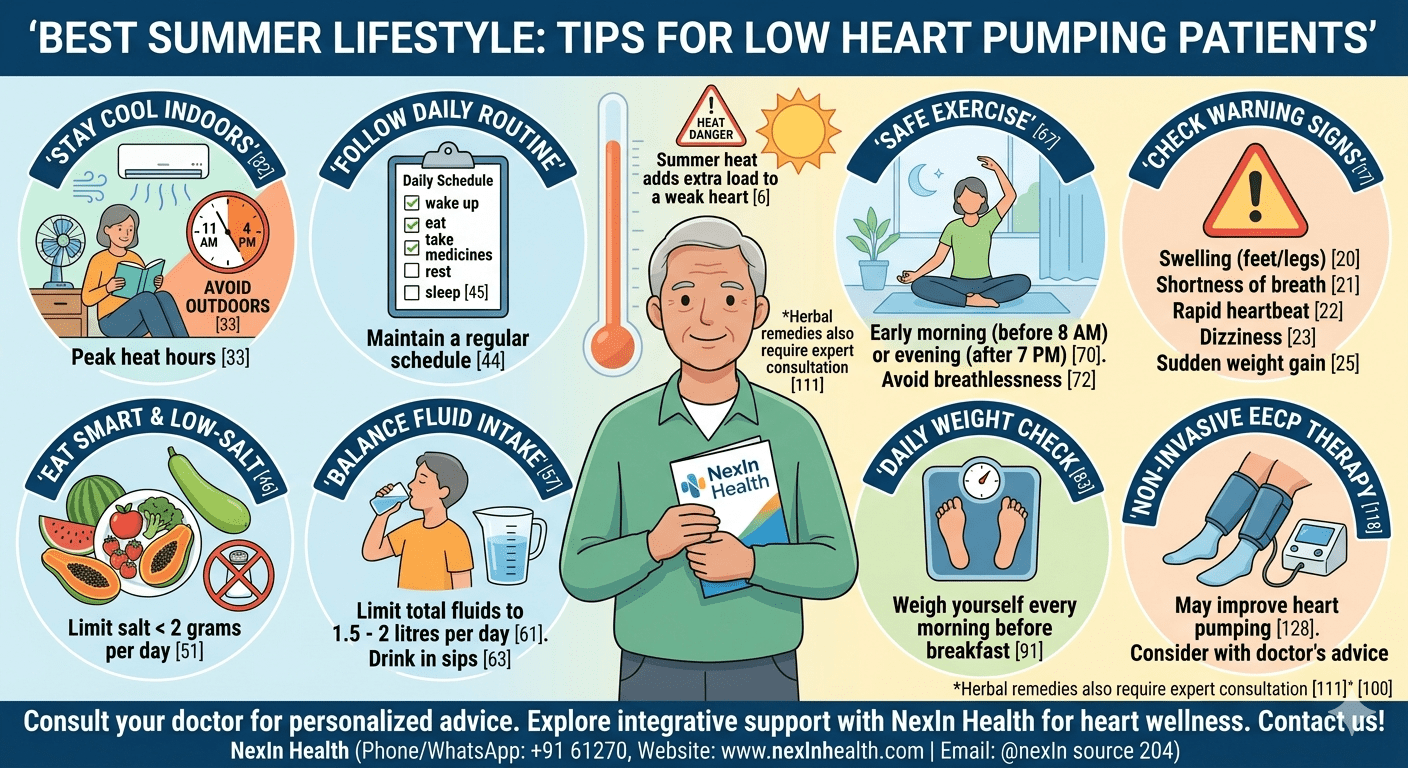



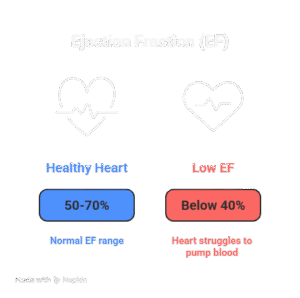
Summer lifestyle tips for low heart pumping patients are more important than ever as temperatures rise each year. If your heart does not pump blood properly, hot weather can make things much worse. The medical term for low heart pumping is low ejection fraction (EF) or heart failure. When EF falls below 40%, the heart struggles to send enough blood to the rest of the body. Summer heat puts extra load on this already weak heart. But with the right steps, you can stay safe, feel better, and enjoy summer without fear.
| Fact | Detail |
|---|---|
| Heat Deaths | Heart disease is the #1 cause of heat-related deaths worldwide, more than any other condition. |
| EF Drop in Heat | In extreme heat, the effective pumping capacity of a weak heart can fall by up to 10-15% temporarily. |
| Fluid Overload Risk | Heart failure patients can develop dangerous fluid buildup in just 24-48 hours if they drink too much water in summer. |
| Medication Warning | Common heart drugs like diuretics, beta-blockers, and ACE inhibitors increase heat sensitivity by up to 3 times. |
| India Stat | Over 8 million people in India live with heart failure — most with low ejection fraction — and Indian summers can exceed 45°C in many regions. |
| Silent Danger | Many heart failure patients don’t sweat normally, so they don’t feel as hot, yet their core temperature rises silently. |
When the weather gets very hot, your blood vessels open wider to cool your body. This forces your heart to pump faster and harder. For a person with low heart pumping (low ejection fraction), this extra effort is too much to handle.
Heat also causes sweating, which leads to loss of fluids and salts. This is called dehydration. Dehydration risks for heart patients are very serious because even mild fluid loss can cause blood pressure to drop and the heart to beat irregularly.
Summer care tips for heart failure patients must include being alert to these dangers from the very first hot day of the season. This is not something to ignore.
Your body will often give you warning signs before things become very serious. Watch out for these symptoms of heart stress in hot weather:
If you notice any of these signs, sit down, move to a cool place, and call your doctor immediately. Do not wait.
Summer lifestyle tips for low heart pumping patients begin with making smart choices every single day. Here is what you should do:
The hottest part of the day is usually between 11 AM and 4 PM. Avoid going out during these hours. If you must go out, wear light cotton clothes, a hat, and carry an umbrella. This is one of the most effective cooling tips for cardiovascular patients.
Use fans, coolers, or air conditioning to keep indoor temperatures below 27°C. Make sure your bedroom stays cool at night too — a hot night can be just as dangerous as a hot day. Staying cool with heart disease is not a luxury; it is a medical need.
Wear loose, light-coloured, breathable cotton clothes. Avoid dark colours as they absorb heat. A cool, wet cloth on your forehead or neck can quickly bring down body temperature.
One of the best summer lifestyle tips for low heart pumping patients is to maintain a regular schedule. Wake up, eat, take medicines, rest, and sleep at the same time every day. Irregular routines disturb the heart’s rhythm.
What you eat in summer directly affects how well your heart works. Here is a simple summer diet for heart health:
The best diet for heart failure in summer is simple, fresh, and low in sodium. It is an essential part of every summer lifestyle plan for low heart pumping patients.
This is one of the most confusing topics for heart failure patients. You might think you should drink a lot of water in summer. But for patients with low ejection fraction, too much water can be dangerous.
Important Rule: Most heart failure patients should drink no more than 1.5 to 2 litres of total fluid per day (including water, juice, tea, soup). Always follow your doctor’s specific advice.
Fluid intake for low ejection fraction must be monitored carefully. Drink water in sips, not gulps. Avoid very cold water as it can cause sudden changes in blood pressure.
Dehydration risks for heart patients are real too — very low fluid can thicken the blood and increase the risk of blood clots. So the goal is balance — not too much, not too little.
Exercise is good for the heart, but safe exercise for heart failure patients in summer must be done with great care. Here are the golden rules:
Lifestyle tips for low ejection fraction in hot weather always include guided, supervised exercise. Never exercise alone without informing someone at home. Safe exercise for heart failure patients in summer can actually improve heart pumping over time when done correctly.
Heat precautions for people with weak heart pumping can prevent hospital visits and save lives. Follow these steps every day during summer:
How heart patients should stay safe in summer can be summarized in this simple daily checklist:
Many patients ask about natural ways to support their heart in summer. While no herbal remedy replaces medicines, some natural options may help when used alongside your doctor’s treatment:
Note: Always consult a qualified Ayurvedic or homeopathic practitioner before starting any herbal remedy, especially if you are already on heart medicines.
Enhanced External Counterpulsation (EECP) therapy is one of the most promising non-surgical treatments available today for patients with low ejection fraction and heart failure.
EECP works by placing inflatable cuffs on your legs and buttocks. These cuffs inflate and deflate in sync with your heartbeat. This creates waves of increased blood flow that go back up to the heart, helping it pump more effectively.
EECP is one of the most effective lifestyle tips for low ejection fraction in hot weather because it can be done in a cool, comfortable clinic setting and gives long-lasting benefits.
Here is a simple comparison of the main treatment approaches available for patients with low ejection fraction:
| Treatment | How It Works | Invasive? | Side Effects | Best For | Cost (Approx.) |
|---|---|---|---|---|---|
| Medicines (ACE, Beta-Blockers) | Reduce heart load, control BP | No | Dizziness, fatigue | All EF levels | Low |
| EECP Therapy | Boosts blood flow to heart non-surgically | No | Mild leg soreness | EF 20-45% | Moderate |
| Angioplasty/Stent | Opens blocked coronary arteries | Yes | Bleeding, re-blockage | Blockage-related | High |
| Bypass Surgery (CABG) | Reroutes blood around blockages | Yes (Major) | Long recovery | Severe blockages | Very High |
| Cardiac Rehab + Lifestyle | Structured exercise + diet program | No | None if done right | All EF levels | Low |
| Ayurvedic / Herbal Support | Supports heart via plant compounds | No | Rare if used correctly | Mild-Moderate EF | Low |
| ICD / Pacemaker | Controls dangerous heart rhythms electrically | Yes (Minor) | Infection risk | EF < 35% with arrhythmia | High |
Summer is also a time for family gatherings and travel. With the right care, heart patients can enjoy social life safely. These summer care tips for heart failure patients will help:
Stress is one of the biggest hidden enemies of the heart. Summer heat itself can increase irritability and anxiety. For heart failure patients, stress can trigger dangerous episodes.
Summer lifestyle tips for low heart pumping patients must include mental wellness — the mind and heart are deeply connected.
If you are caring for a heart failure patient, your role is extremely important. Here is what you can do:
Learning summer care tips for heart failure patients is equally important for caregivers. Your awareness can prevent a hospital emergency.
| Do This | Avoid This |
|---|---|
| Stay indoors 11 AM – 4 PM | Go out in peak heat |
| Wear light cotton clothes | Wear dark, tight, synthetic clothes |
| Eat small, fresh, low-salt meals | Eat fried, spicy, or salty food |
| Sip fluids slowly as advised | Drink large amounts of water quickly |
| Exercise in cool early morning | Exercise in afternoon heat |
| Weigh yourself every morning | Skip daily weight check |
| Take medicines on time daily | Miss doses or self-adjust medicines |
| Sleep in a cool room | Sleep in a hot, stuffy room |
| Report swelling or breathlessness promptly | Ignore new symptoms |
Que: What are the best summer lifestyle tips for low heart pumping patients?
Ans: Stay indoors during peak heat hours, wear light cotton clothes, eat small low-salt meals, sip fluids as prescribed, exercise only in cool hours, take all medicines on time, and weigh yourself daily to catch fluid buildup early.
Que: How much water should a heart failure patient drink in summer?
Ans: Most heart failure patients should limit total fluid intake to 1.5 to 2 litres per day. This includes water, juices, tea, soup, and other liquids. Always follow your cardiologist’s specific advice, as the right amount depends on your heart condition and medications.
Que: Can heart failure patients exercise during summer?
Ans: Yes, but only with doctor’s approval and with care. Safe exercise for heart failure patients in summer should be done in cool hours (before 8 AM or after 7 PM), in a cool indoor setting, and should be very gentle — like slow walking or light stretching for 15-20 minutes.
Que: What are the symptoms of heat stroke in heart patients?
Ans: Heat stroke risk for heart patients includes symptoms like very hot red skin without sweating, confusion, rapid strong pulse, headache, nausea, and loss of consciousness. This is a medical emergency — call 108 immediately and move the person to a cool place.
Que: Is EECP therapy safe for patients with low ejection fraction?
Ans: Yes, EECP therapy is specifically designed for patients with low ejection fraction (usually EF 20-45%). It is non-invasive, does not require surgery or anaesthesia, and is safe for elderly and diabetic patients. Clinical trials show it can improve EF by 5-10% after 35 sessions.
Que: Which foods should heart failure patients avoid in summer?
Ans: Heart failure patients should avoid salty foods, fried foods, processed snacks, pickles, papad, alcohol, and sugary drinks. All these cause fluid retention, raise blood pressure, or trigger irregular heartbeats — especially dangerous in summer heat.
Que: Can Ayurvedic medicines help patients with low heart pumping?
Ans: Some Ayurvedic herbs like Arjuna, Ashwagandha, and Hawthorn (Crataegus) have shown promising results in small studies for supporting heart function. However, they must only be used alongside — never instead of — prescribed heart medicines. Always tell your cardiologist before starting any herbal remedy.
Que: What is a safe indoor temperature for heart failure patients in summer?
Ans: Heart failure patients should keep their indoor temperature between 22°C and 26°C. Temperatures above 28°C indoors can begin to strain a weak heart. If you do not have an AC, use a cooler or fan and keep windows open at night when it is cooler outside.
Que: How often should a heart failure patient see the doctor in summer?
Ans: During summer, heart failure patients should ideally see their doctor every 4-6 weeks, or sooner if there are new symptoms like increased swelling, weight gain of more than 1 kg in 2 days, breathlessness at rest, or dizziness. Do not wait for your scheduled appointment if something feels wrong.
Que: What should a caregiver do if a heart patient shows signs of worsening in summer?
Ans: Immediately move the patient to a cool room, give them their prescribed medicines if not already taken, check their blood pressure and pulse if you know how, call their doctor, and if symptoms are severe (fainting, very low BP, severe breathlessness), call 108 emergency services. Do not try to manage a cardiac emergency at home.
| NexIn Health — Expert Care for Heart, Spine & Metabolic Disorders
NexIn Health is a trusted name in non-invasive integrated healthcare. Specialising in heart disease, spine disorders, and metabolic conditions, NexIn Health combines advanced therapies like EECP with personalised lifestyle guidance. With over 14 years of experience and more than 30,000 patients consulted, our team of specialists is here to help you live a healthier, safer life. 📞 Phone & WhatsApp: +91 93101 45010 🌐 Website: www.nexinhealth.in 📧 Email: care@nexinhealth.in Take the first step toward a stronger heart — contact us today! |


Experience

Certified Therapists

Satisfied Patients
Contact us