Does Dehydration Raise Blood Sugar? Science, Risks & How to Control It Fast
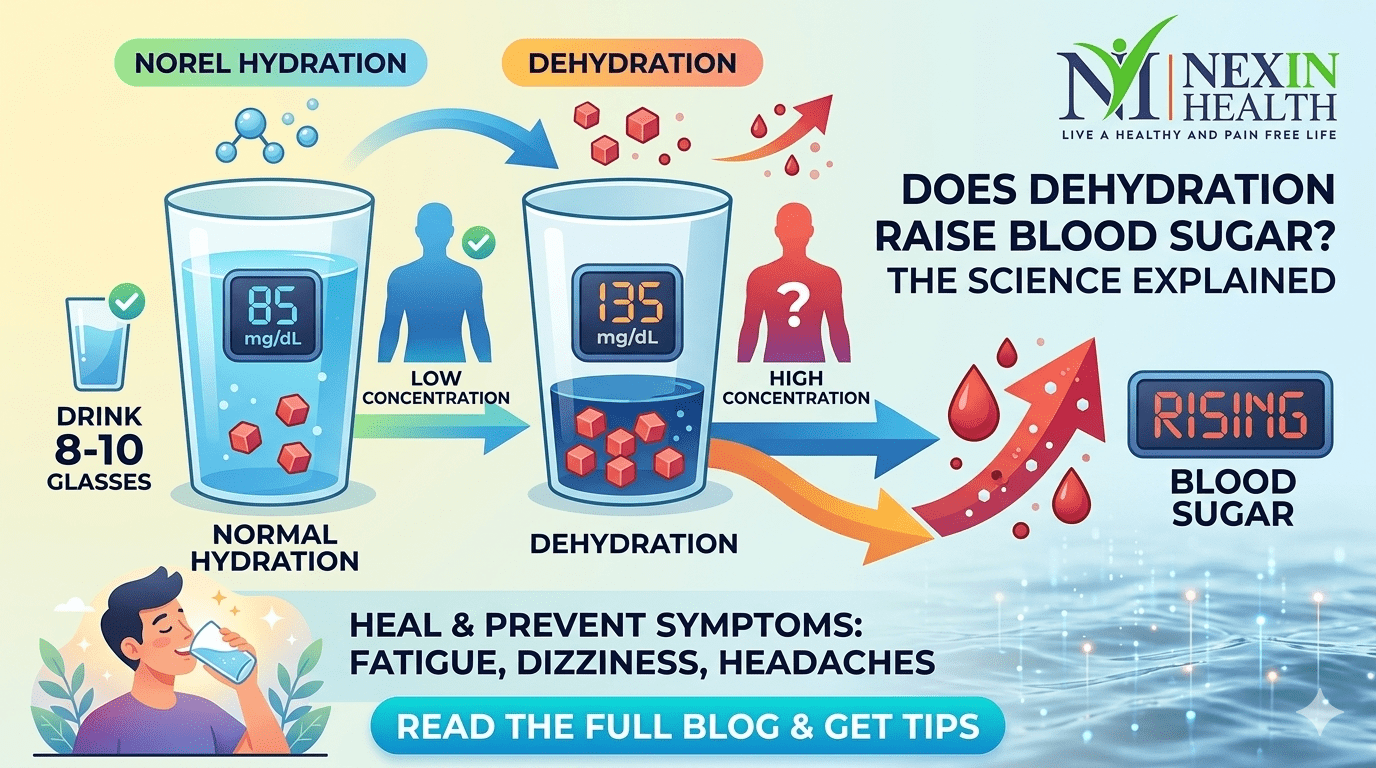



Does dehydration raise blood sugar? If you have ever wondered whether not drinking enough water could silently push your glucose levels higher — the answer is a definite yes. Whether you have diabetes, prediabetes, or a metabolic disorder, dehydration can trigger surprising blood sugar spikes, even without eating a single sugary food.
Understanding how dehydration affects blood sugar levels is one of the most powerful yet overlooked steps in managing your overall health. In this guide, we break down the science, the risks, and practical steps you can take to control it — fast.
FACT SHEET — Surprising Facts About Dehydration & Blood Sugar
|
To understand how dehydration affects blood sugar levels, you first need to understand what happens in your bloodstream when water levels drop. When your body loses water, the amount of fluid circulating in your blood decreases. But the amount of glucose (sugar) in that blood stays the same.
This creates a higher concentration of blood sugar relative to the available water — even though no new sugar has entered your system. Think of it like making maple syrup: tree sap is 95% water and just 5% sugar. Boil away the water, and the sugar becomes thick and concentrated. Less water = more concentrated sugar.
How dehydration affects blood sugar levels goes beyond this simple concentration effect. Your kidneys begin working overtime to filter the excess glucose, producing more urine. This further increases water loss — worsening dehydration and concentrating blood sugar even more. It becomes a dangerous, self-reinforcing cycle.
A published clinical study confirmed this: even a 1.6% drop in body water weight significantly raised blood glucose levels in Type 2 diabetes patients during an Oral Glucose Tolerance Test (OGTT). The fasting glucose reading rose from 9.5 mmol/L (euhydrated) to 10.4 mmol/L (dehydrated), and after 120 minutes, from 19.1 to 21.0 mmol/L — a clinically meaningful difference.
Many people ask: does dehydration raise blood sugar in non-diabetics? The answer is yes — it absolutely can. The impact may be less severe than in diabetic individuals, but it is very real.
In healthy individuals, the body is designed to maintain a state called “osmotic homeostasis“ — a careful balance of fluid and glucose managed by hormones such as vasopressin. But when you are dehydrated, this balance gets disrupted, and blood glucose concentration rises.
A major population study of nearly 4,000 individuals found that the least hydrated people had significantly higher fasting blood sugar and insulin levels. Another 9-year study showed that people who drank fewer than 0.5 liters of water per day were substantially more likely to develop hyperglycemia compared to those who stayed well-hydrated.
So does dehydration raise blood sugar in non-diabetics? Yes — and over time, chronic dehydration may even increase the long-term risk of developing Type 2 diabetes. This is a health risk that affects everyone, not just those with an existing diabetes diagnosis.
The dehydration and diabetes connection works in both directions, and understanding this is critical for effective management.
Direction 1: Dehydration raises blood sugar. As explained above, when water in the bloodstream decreases, glucose becomes more concentrated — causing a blood sugar spike.
Direction 2: High blood sugar causes dehydration. When blood glucose rises too high (hyperglycemia), the body tries to eliminate excess sugar through urine. This results in frequent urination — one of the classic symptoms of diabetes. The more you urinate, the more fluid you lose, worsening dehydration further.
This two-way relationship creates a cycle that can spiral out of control without proper hydration and glucose management. Hot weather, vomiting, diarrhea, intense exercise, and alcohol consumption can all accelerate this dangerous loop — making the dehydration and diabetes connection even more serious.
Research shows that people with Type 1 diabetes face an especially higher risk of dehydration during exercise, due to the combined effect of fluid loss from sweat and increased urine output related to their condition.
Recognizing the symptoms of dehydration in diabetics early can prevent dangerous complications. These signs may start mild but can escalate quickly.
For diabetic patients, one of the most telling symptoms of dehydration is a sudden unexplained blood sugar spike — especially when you have not eaten recently. If you notice dark urine combined with rising glucose readings, dehydration may be the underlying cause.
Most people assume blood sugar rises only after eating. But there are multiple blood sugar spike causes without eating — and dehydration is one of the most commonly overlooked.
Among all blood sugar spike causes without eating, dehydration stands out because it is easy to fix — yet rarely identified in time. Clinical research confirms that blood sugar can spike 50 to 110 mg/dL or more purely due to dehydration — with absolutely no change in food intake.
If your glucose monitor shows an unexpected rise and you have not eaten, check your hydration status before reaching for medication.
It is a common misconception that only diabetics experience high blood glucose. High blood sugar without diabetes causes are more widespread than most people realize.
A groundbreaking clinical study revealed a critical hormonal mechanism: during dehydration, cortisol levels remain elevated rather than naturally declining. In euhydrated patients, cortisol dropped by an average of 85.3 nmol/L over 120 minutes during a glucose test. In dehydrated patients, it only dropped by 25.0 nmol/L. This elevated cortisol impairs the body’s ability to regulate blood glucose — a key reason behind dehydration-induced spikes.
If you are experiencing consistently high blood sugar readings without a diabetes diagnosis, consult your doctor to explore these high blood sugar without diabetes causes.
The relationship between stress and blood sugar is well-established in medical science. When you experience stress, your body releases cortisol and adrenaline — the classic ‘fight or flight’ hormones. These hormones signal the liver to release stored glucose into the bloodstream for quick energy.
How much can stress increase blood sugar? Stress and blood sugar increase can range from a mild 10–20 mg/dL rise to a significant 50–100 mg/dL spike, depending on the intensity and duration of the stress, and your individual health condition.
What makes this especially relevant to our topic: dehydration itself is a physical stressor on the body. It triggers elevated cortisol, which then further disrupts blood glucose regulation. This is not just theoretical — it has been confirmed in clinical studies. Dehydration impairs blood glucose control through the cortisol pathway, not just through blood concentration alone.
Addressing stress and blood sugar together — through hydration, mindfulness, regular sleep, and physical activity — is a far more effective strategy than managing either in isolation.
Understanding the difference between a normal blood sugar spike after eating and one triggered by dehydration helps you respond appropriately.
The key distinction: if your blood sugar rises and you haven’t eaten recently, suspect dehydration first. Drink water and re-check in 30–60 minutes. This simple step may save you from unnecessary medication adjustments.
“Does drinking water lower blood sugar?” is one of the most frequently asked health questions online. The honest, evidence-based answer is nuanced — and important to understand correctly.
Drinking water does not directly remove glucose from your bloodstream. Water is not a substitute for insulin or diabetes medication. However, staying well-hydrated plays a critical supporting role:
Does drinking water lower blood sugar over the long term? Research says yes. A 9-year study of 3,600 middle-aged individuals found that those who drank at least 1 liter of water daily were the least likely to develop high blood sugar. Those who drank fewer than 0.5 liters were at significantly higher risk — even after accounting for other lifestyle factors.
So while drinking water won’t lower blood sugar instantly like medication, it is one of the most powerful and accessible long-term tools for prevention — and it is free.
The connection between dehydration and heart health is often left out of diabetes conversations — yet it is deeply important, especially for those with metabolic disorders.
When you are dehydrated, your blood becomes thicker and more viscous. The heart must pump harder to push this sluggish blood through your blood vessels. Over time, this puts significant strain on your cardiovascular system.
For people with diabetes who already have a higher risk of cardiovascular disease, dehydration and heart health risks compound dangerously. When blood sugar is high and hydration is low, both the kidneys and the heart are under simultaneous stress — dramatically increasing the risk of long-term organ damage.
Maintaining good hydration is therefore not just about blood sugar control. It is about protecting your heart, kidneys, and entire cardiovascular system from silent, cumulative damage.
If your blood sugar is running higher than normal, here are science-backed steps on how to reduce blood sugar immediately at home:
| ⚠️ Emergency Warning: If you experience confusion, fruity-smelling breath, shortness of breath, extreme fatigue, or you are unable to keep fluids down — seek emergency medical care immediately. These may be signs of Diabetic Ketoacidosis (DKA), a life-threatening complication. |
The table below compares different strategies to manage blood sugar spikes caused by dehydration and related factors — helping you choose the right approach for your situation.
| Approach | Effectiveness | Time to Effect | Suitable For | Key Notes |
| Drinking Water | Moderate | 30–60 min | Everyone | Best first step for dehydration-induced spikes. Free and immediately accessible. |
| Brisk Walking | High | 30–45 min | T2DM, Prediabetes | Avoid intense exercise during active hyperglycemia — it may temporarily raise blood sugar. |
| Insulin / Medication | Very High | 15–30 min | T1DM, T2DM | Only under doctor’s guidance. Always take as prescribed. |
| Diet Changes (Fiber, Protein, Healthy Fats) | Moderate–High | Hours–Days | Everyone | Best for long-term blood sugar prevention. Nuts, legumes, vegetables, whole grains. |
| Stress Management | Moderate | 20–30 min | Everyone | Reduces cortisol-driven glucose spikes. Deep breathing, mindfulness, yoga. |
| Electrolyte Replenishment (Low Sugar) | Moderate | 30–60 min | Athletes, ill patients | Choose zero-sugar options. Read labels carefully — many contain hidden sugar. |
| Sleep Improvement | Moderate | Days–Weeks | Everyone | Poor sleep raises hyperglycemia risk. Going to bed earlier improves next-day glucose response. |
| IV Fluids (Hospital) | Very High | 15–30 min | Severe dehydration, DKA | Emergency use only. Do not attempt at home. Seek immediate medical care. |
| 🏥 Struggling with Blood Sugar, Heart Health, or Metabolic Disorders?
NexIn Health is a trusted healthcare provider with 14+ years of experience, specializing in heart, spine, and metabolic health using non-invasive, integrated techniques. With over 30,000 patients consulted, our expert team offers personalized care to help you manage blood sugar, dehydration, and cardiovascular risks — naturally and effectively. 📞 Call / WhatsApp: +91 9310145010 🌐 Website: www.nexinhealth.in 📧 Email: care@nexinhealth.in Read More: Advanced EECP Therapy in Noida |
1. Does dehydration raise blood sugar in people without diabetes?
Yes. Even without diabetes, dehydration increases the concentration of glucose in the bloodstream. Large population studies confirm that chronically dehydrated individuals have higher fasting blood sugar levels and a greater long-term risk of developing Type 2 diabetes.
2. How much can dehydration raise blood sugar?
Mild to moderate dehydration can raise blood sugar by 50 to 110 mg/dL or more, depending on the person’s overall health and the degree of fluid loss. Clinical trials have recorded measurable differences in blood glucose even with just 1.6% body water loss.
3. Does drinking water lower blood sugar directly?
No — drinking water does not directly remove glucose from the blood. However, it prevents blood glucose from becoming artificially concentrated, supports kidney function in managing excess glucose, and has been linked to significantly lower long-term diabetes and hyperglycemia risk in research studies.
4. What are the symptoms of dehydration in diabetics?
Key symptoms include excessive thirst, dry mouth, dark urine, fatigue, dizziness, headache, dry skin, muscle cramps, and — importantly — a sudden unexplained blood sugar spike without any food intake.
5. Can stress raise blood sugar — and by how much?
Yes. Stress triggers cortisol and adrenaline, which prompt the liver to release stored glucose. The stress-related blood sugar increase can range from 10–20 mg/dL (mild stress) to 50–100 mg/dL or more in severe or chronic stress. Dehydration worsens this by keeping cortisol elevated.
6. What are common blood sugar spike causes without eating?
Common causes include dehydration, physical or emotional stress, illness (fever or infection), poor sleep, certain medications such as diuretics or corticosteroids, hormonal fluctuations, and the physiological stress of skipping meals entirely.
7. How much water should a diabetic drink every day?
According to the National Academy of Medicine, men should aim for approximately 13 cups (about 3 liters) per day, and women about 9 cups (about 2.1 liters). These amounts may vary based on activity level, climate, body weight, and any existing health conditions.
8. Is there a link between dehydration and heart health?
Yes — dehydration thickens the blood, forcing the heart to work harder. This increases the risk of high blood pressure, blood clots, irregular heartbeat, and cardiovascular strain. For diabetics who already face higher heart disease risk, dehydration is an additional, often overlooked threat.
9. Can severe dehydration lead to DKA (Diabetic Ketoacidosis)?
Yes. If untreated, severe dehydration — especially in Type 1 diabetics — can trigger DKA, a life-threatening condition where the body begins breaking down fat into acidic ketones for energy. Symptoms include fruity-smelling breath, shortness of breath, nausea, and extreme dry mouth. Seek emergency care immediately.
10. What causes high blood sugar without diabetes?
High blood sugar without diabetes can result from chronic dehydration, elevated cortisol from stress, undiagnosed prediabetes, thyroid disorders (hyperthyroidism), pancreatitis, certain medications, hormonal imbalances, or a long-term sedentary lifestyle with a high-carbohydrate diet.
11. What is a normal blood sugar spike after eating?
After a meal, blood sugar naturally peaks within 1–2 hours. For healthy adults, it should stay below 140 mg/dL at the 2-hour mark and return to baseline within 3 hours. A dehydration-induced spike is different — it happens without food and can occur at any time.
12. Are sports drinks safe for diabetics during dehydration?
Most sports drinks contain high sugar levels and are not ideal for diabetics. If you need electrolyte replenishment, choose zero-sugar or low-sugar versions, read nutrition labels carefully, and consult your doctor about whether insulin adjustment is needed when consuming these drinks.
13. Can dehydration cause a false high blood sugar reading?
Yes. Dehydration does not add sugar to your blood, but it concentrates the existing glucose — resulting in a higher glucose reading on your monitor. This can be misread as a food- or insulin-related issue. Rehydrate first, then re-test.
14. How does cortisol connect dehydration and blood sugar?
A recent clinical study found that during dehydration, cortisol levels remain elevated rather than naturally declining. In euhydrated participants, cortisol dropped by an average of 85.3 nmol/L; in dehydrated subjects, only 25.0 nmol/L. This elevated cortisol directly impairs the body’s glucose regulation — confirming a hormonal mechanism beyond simple concentration.
15. What should I do if I suspect dehydration is raising my blood sugar?
Start by drinking 1–2 glasses of plain water. Wait 30–60 minutes and re-check your blood sugar. If levels remain high, follow your prescribed medication plan. Make sure to avoid sugary beverages. If you feel confused, extremely fatigued, or experience any signs of DKA — call emergency services immediately.


Experience

Certified Therapists

Satisfied Patients
Contact us