How Lack of Sleep Affects Heart Health: Warning Signs You Should Not Ignore
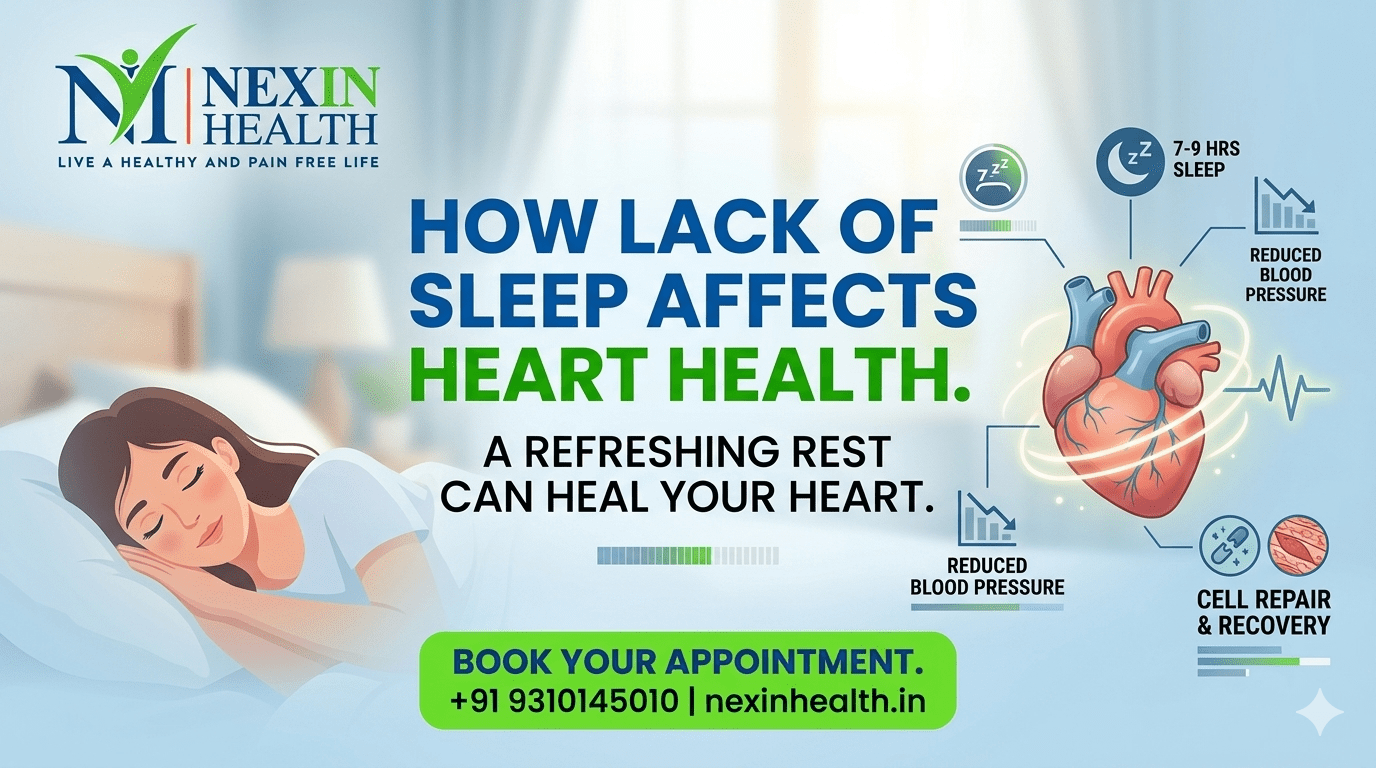


How lack of sleep affects heart health is one of the most critical topics nobody talks about. You might think missing sleep just makes you tired, but the truth is far more serious. Your heart pays the price every single night you don’t sleep enough.
Most adults need at least 7 hours of sleep daily. Yet, more than one-third of people aren’t getting this basic requirement. The consequences? Your heart suffers silently until a serious problem emerges.
When you skip sleep, your body enters stress mode. Think of it like running a machine 24/7 without maintenance. Eventually, it breaks down.
How lack of sleep affects heart health works through several biological pathways. Your sympathetic nervous system (the “fight or flight” system) stays activated. This keeps your heart rate elevated and your blood pressure high even when you should be resting.
Sleep deprivation cardiovascular risk increases because during sleep, your body repairs damaged tissues. Without this repair time, damage accumulates in your blood vessels and heart muscle.
During normal, healthy sleep, your body experiences these protective changes:
Without sufficient sleep, none of these healing processes occur properly.
Does lack of sleep increase heart rate? Absolutely. And this is one of the most dangerous effects.
When you’re sleep deprived, your autonomic nervous system becomes dysregulated. Your sympathetic nervous system stays “switched on,” keeping your body in a constant state of alert.
Your body releases stress hormones like cortisol and adrenaline when you don’t sleep. These hormones were designed for emergencies, not everyday life. When constantly elevated, they:
Research shows that after even one night of poor sleep, your resting heart rate increases noticeably the next day. For people with existing heart conditions, this becomes dangerous.
Proper sleep maintains your heart’s natural electrical rhythm. During sleep deprivation, your heart’s electrical signals become chaotic. You might experience:
This disruption in how sleep affects heart rhythm can persist for days after sleep deprivation ends.
Heart palpitations from poor sleep are more common than you’d think. Millions experience them without understanding the connection.
When you don’t sleep well, your body reacts in several ways that trigger palpitations:
1. Sudden Blood Pressure Spikes Upon waking from poor sleep, your blood pressure and heart rate can surge dramatically within seconds. This sudden spike forces your heart to work harder than normal.
2. Electrolyte Imbalance Sleep deprivation disrupts your body’s mineral balance. This directly affects your heart’s electrical function, causing irregular beats.
3. Increased Adrenaline Release Your body produces excessive adrenaline when sleep-deprived, forcing your heart into overdrive.
4. Inflammation in Heart Tissues Poor sleep triggers chronic inflammation throughout your cardiovascular system. This irritates heart tissues and causes palpitations.
Most people describe them as:
While occasional palpitations from poor sleep usually aren’t dangerous, chronic sleep deprivation cardiovascular risk compounds, making serious events more likely.
This is the question that keeps many people awake at night (ironically). The answer is yes, and here’s why.
Sleep deprivation causes chest pain through multiple mechanisms:
Angina-Like Pain: Poor sleep increases heart demand without increasing blood supply. This creates a mismatch that triggers chest discomfort.
Muscle Tension Pain: Sleep deprivation increases body tension, affecting chest wall muscles and causing sharp, localized pain.
Anxiety-Related Pain: Poor sleep worsens anxiety and stress, which trigger chest tightness and pressure sensations.
Research confirms that sleep deprivation increases heart attack risk significantly. According to clinical studies:
How does this happen?
When you sleep poorly, multiple dangerous changes occur:
Fatigue stress and heart health are directly connected. The stress from sleep deprivation pushes your cardiovascular system toward failure.
Sleep deprivation doesn’t just make you tired—it creates chronic stress in your body.
When fatigued, your body remains in “survival mode.” This constant activation:
Sleep loss increases cortisol (your stress hormone). Elevated cortisol causes:
Your body runs on a 24-hour internal clock called your circadian rhythm. Your heart operates best when this rhythm stays synchronized.
Your circadian rhythm controls:
When your circadian rhythm becomes disrupted:
People working night shifts experience:
This is where plaque hardens your arteries. Sleep deprivation dramatically accelerates this process.
Poor sleep causes:
How lack of sleep affects heart health through CAD: Adults sleeping 5 hours or less show 200-300% higher CAD risk.
Your blood pressure should drop during sleep. Without sleep, it stays dangerously high.
Sleep deprivation causes:
Nearly half of American adults have hypertension. Poor sleep is a major preventable cause.
Heart failure develops when your heart can’t pump blood efficiently. Sleep deprivation accelerates this condition.
Study findings:
Irregular heart rhythms become more common with chronic poor sleep.
Does lack of sleep cause heart palpitations and dangerous rhythms?
Yes. Sleep deprivation causes:
Diabetes dramatically increases heart disease risk. Sleep deprivation doubles your diabetes development risk.
Mechanisms:
People with diabetes are twice as likely to die from heart disease or stroke.
Sleep deprivation confuses your hunger hormones. Your body produces more ghrelin (appetite stimulator) and less leptin (appetite suppressor).
Result: You eat more, gain weight, and put additional burden on your heart.
Sleep apnea is different from simple sleep deprivation—it’s a breathing disorder with severe heart consequences.
Your airway repeatedly closes during sleep, causing you to:
This condition puts severe strain on your cardiovascular system:
Sleep apnea carriers show:
| Approach | Time to Results | Effectiveness | Cost | Best For |
|---|---|---|---|---|
| Sleep Hygiene Changes | 2-4 weeks | 70% of mild cases | Free | Mild sleep deprivation |
| Consistent Sleep Schedule | 3-6 weeks | 65% effectiveness | Free | Circadian rhythm issues |
| Exercise (Daytime) | 4-8 weeks | 75% improvement | Free/Low | Stress reduction |
| Meditation & Relaxation | 2-3 weeks | 60% effectiveness | Free | Anxiety-related insomnia |
| Dietary Changes | 1-2 weeks | 50% improvement | Low | Sleep quality issues |
| Melatonin Supplements | 3-7 days | 65% effectiveness | Low | Circadian disruption |
| Cognitive Behavioral Therapy | 6-8 weeks | 80% success | Medium | Chronic insomnia |
| CPAP Machine (Sleep Apnea) | Immediate | 95% effectiveness | High | Sleep apnea |
| Prescription Sleep Medication | Same night | 90% immediate | Medium | Severe insomnia |
| Medical Treatment (Cardiac) | Varies | High | High | Existing heart disease |
Going to bed and waking at the same time daily synchronizes your circadian rhythm and heart function:
Your bedroom should be optimized for sleep:
Light exposure controls melatonin production and your circadian rhythm:
What you consume directly affects sleep quality and heart health:
Physical activity improves both sleep quality and heart health:
Stress is a major sleep disruptor and heart stressor:
Track what’s working:
Contact a healthcare provider if you experience:
These symptoms may indicate serious conditions requiring professional evaluation and treatment.
NexIn Health is a specialized healthcare provider with over 14+ years of clinical excellence in heart and spine treatment. Our team has consulted more than 30,000 patients using advanced, non-invasive integrated techniques that prioritize your wellbeing.
We understand that sleep deprivation affects your overall health, including heart and spinal function. Our holistic approach addresses root causes, not just symptoms. Whether you’re struggling with sleep-related heart concerns or need comprehensive cardiovascular assessment, NexIn Health provides expert guidance tailored to your specific needs.
Contact NexIn Health Today:
Let our experts help you reclaim your sleep and protect your heart health.
Most adults need 7-9 hours of quality sleep nightly for optimal heart function. Some people thrive on 7 hours, while others need 9. The key is consistency—your body needs the same amount every night, including weekends.
While one poor night won’t cause permanent damage, it does temporarily increase heart rate, blood pressure, and stress hormones. Your heart recovers when you resume normal sleep. However, chronic poor sleep compounds these effects dangerously.
No, but chronic sleep deprivation can cause lasting increases in resting heart rate and blood pressure. Once you restore proper sleep, these metrics normalize within weeks to months, depending on how long the deprivation lasted.
Sleep apnea causes repeated oxygen drops, triggering blood vessel constriction and inflammation. This puts immense strain on your heart. Studies show sleep apnea patients have 3-4 times higher heart disease and stroke risk. Treating sleep apnea dramatically reduces this risk.
While less common than in older adults, yes—young people with chronic sleep deprivation face increased heart attack risk. The risk multiplies if they have other factors like obesity, smoking, or family history. Sleep deprivation effects accumulate over time.
Recovery timelines vary. Heart rate and blood pressure often improve within 1-2 weeks of restoring sleep. However, deep cardiovascular healing (vessel repair, inflammation reduction) may take 2-3 months of consistent good sleep.
Yes. Studies show that sleeping more than 9 hours regularly is associated with increased heart disease risk. Excessive sleep often signals underlying health problems (sleep apnea, depression) that themselves harm the heart. Aim for the “sweet spot” of 7-9 hours.
Absolutely. Regular daytime exercise improves sleep quality, reduces stress hormones, and strengthens your cardiovascular system. However, exercise within 3 hours of bedtime can worsen sleep. Morning and afternoon exercise works best.
While some medications manage acute symptoms, they don’t address the root cause. Sleep improvement is fundamental. Combining better sleep habits with appropriate medications (if needed) provides the best outcomes.
If chest pain is mild and resolves quickly, it’s likely stress-related. However, if it persists, spreads, or accompanies shortness of breath, seek immediate medical attention. Don’t assume it’s just from poor sleep.
Caffeine blocks adenosine (the sleep signal), preventing proper sleep. Even 1 cup of coffee at 2 PM can disrupt nighttime sleep. Poor sleep from caffeine then triggers the heart issues we’ve discussed. Avoid caffeine after 2 PM for better sleep.
Melatonin can improve sleep quality, which indirectly protects your heart. Research shows melatonin supplementation actually reduces nighttime blood pressure by 3-6 mmHg. It works best for circadian rhythm disruption, not chronic insomnia.
Not always, but it’s a warning sign worth investigating. Snoring indicates airway narrowing. Combined with daytime sleepiness or witnessed breathing pauses, it suggests sleep apnea. Even “simple” snoring increases heart disease risk slightly.
Even if shift workers sleep the “right” hours, their circadian rhythm becomes disrupted. This prevents the protective blood pressure dip and inflammatory reduction your heart needs. Shift workers have 50% higher stroke risk partly because total sleep hours don’t compensate for timing misalignment.
Start with sleep hygiene basics: consistent schedule, cool dark room, no screens 1-2 hours before bed, and morning light exposure. These changes show results within 2-4 weeks. If symptoms persist, consult a healthcare provider to rule out sleep disorders like apnea or underlying cardiac issues.
Sleep isn’t a luxury—it’s a necessity for heart survival. How lack of sleep affects heart health through multiple pathways: elevated blood pressure, increased inflammation, disrupted heart rhythm, and constant stress activation.
Your heart beats 100,000 times daily. Give it the sleep it needs to keep beating healthily for decades to come.


Experience

Certified Therapists

Satisfied Patients
Contact us