Top 7 Ways Summer Inflammation Can Impact Coronary Arteries and Blood Flow
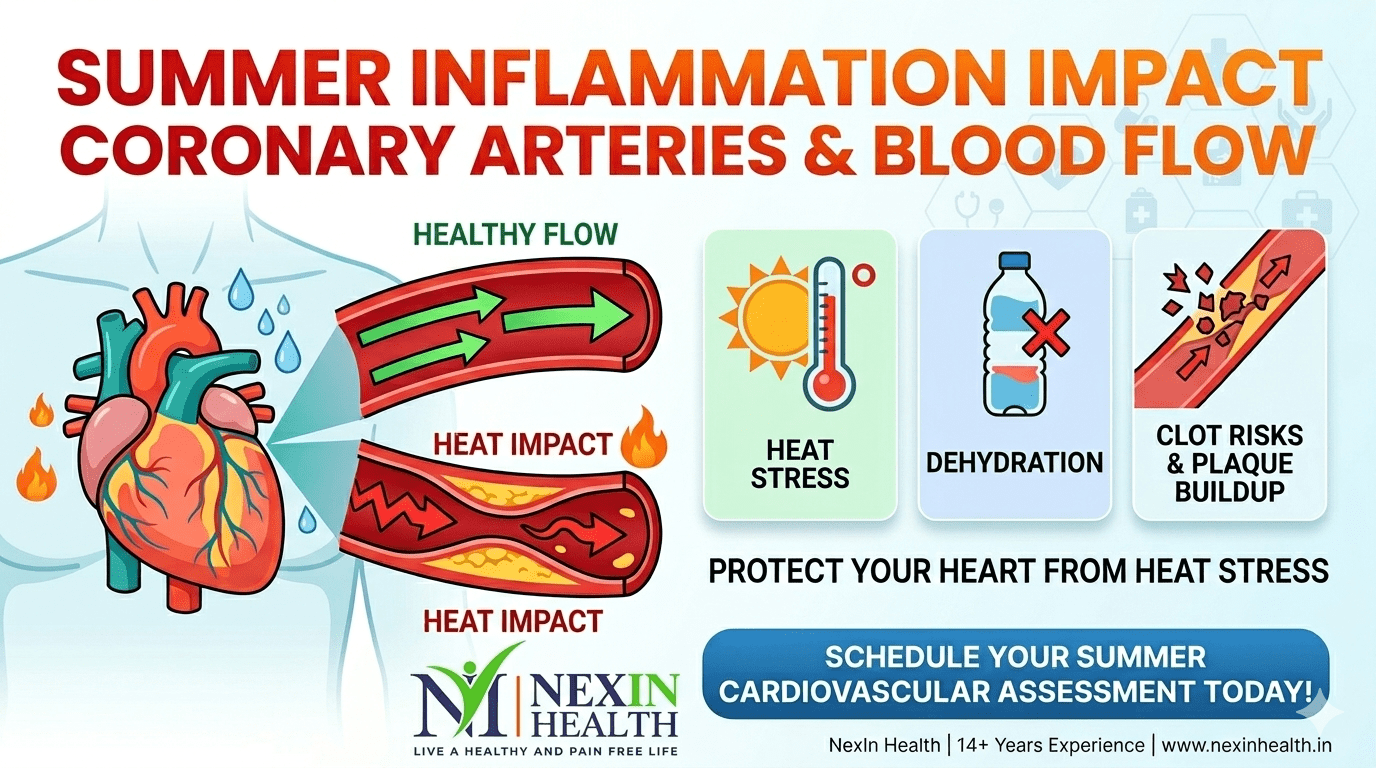



Top 7 Ways Summer Inflammation Can Impact Coronary Arteries and Blood Flow is a critical health concern that often goes unnoticed during warm months. As temperatures rise, your heart faces unique challenges that can affect blood vessel health and increase cardiovascular risks. Understanding how summer heat influences your coronary arteries helps you take protective steps before complications develop.
Research shows that for every 1°C temperature increase, cardiovascular deaths rise by 2.1%. This connection between heat and heart health is not coincidental—it’s based on how your body reacts to extreme temperatures.
| Key Facts | Impact |
|---|---|
| Temperature Effect | 1°C rise = 2.1% increase in CVD deaths |
| Inflammation Window | Chronic inflammation takes months to damage tissues silently |
| Blood Thickening | Dehydration increases blood viscosity by 10-15% |
| Heart Workload | Heart rate increases 15-20 BPM during heat stress |
| Hospital Admissions | 40-50% spike in cardiac admissions during heat waves |
| Electrolyte Loss | Sweating causes 300-500mg potassium loss hourly |
| Recovery Time | Takes 1-2 weeks to acclimatize to summer heat safely |
Before diving into the 7 ways summer inflammation impacts coronary arteries, it’s important to understand the basic mechanism. Your heart is a muscle that pumps blood continuously. During summer, your body works harder to cool itself. Blood vessels expand to release heat, forcing your heart to pump faster and work harder.
This extra workload, combined with dehydration and electrolyte loss, creates a perfect storm for cardiovascular stress. For people with existing heart conditions, diabetes, or metabolic disorders, this seasonal challenge becomes even more dangerous.
When temperatures soar, your blood vessels experience what doctors call “heat stress.” This triggers inflammation in blood vessels during summer, a process where the vessel walls become irritated and swollen.
Your endothelial cells (the inner lining of arteries) are especially sensitive to heat. When inflamed, they produce harmful substances called reactive oxygen species (ROS), which damage the vessel walls further.
What happens:
Studies show that summer heat can worsen pre-existing coronary artery inflammation within just 2-3 days of exposure. This is why heart attack rates spike during heat waves in cities worldwide.
Heat stress and cardiovascular inflammation go hand-in-hand. When your body temperature rises above normal, it triggers an inflammatory cascade—a chain reaction of immune responses that damages your heart vessels.
This process involves:
Research from cardiac centers shows that even brief heat exposure (2-3 hours) can increase inflammatory markers in blood by 30-40%. For those with chronic heart conditions, these markers remain elevated longer.
The timing is critical: summer inflammation accumulates gradually, often without obvious symptoms, until it reaches a dangerous level.
Coronary artery inflammation symptoms can be subtle, especially in summer when people attribute them to heat exhaustion. Learning to recognize these warning signs saves lives.
Common symptoms:
Important: Women often experience atypical symptoms without chest pain, making diagnosis challenging. Never ignore multiple symptoms occurring together, even if they seem mild.
Dehydration and reduced blood circulation form a dangerous combination in summer. When you lose fluids through excessive sweating without replacing them, your blood volume decreases significantly.
Here’s what happens inside your arteries:
Stage 1 (1-2 hours): Blood becomes thicker as water content drops. The heart must work harder to pump this viscous blood through narrow coronary arteries.
Stage 2 (3-6 hours): Reduced blood volume causes blood pressure drops. Your heart compensates by beating faster (tachycardia), increasing oxygen demand.
Stage 3 (6+ hours): Coronary arteries receive less blood flow despite the heart’s increased effort. Oxygen-deprived heart tissue begins showing stress signals.
Clinical data shows that 2-3% dehydration reduces cardiac performance by 10%. In people with coronary artery disease, this can trigger angina (chest pain) or even heart attacks.
Prevention is crucial: Drink water consistently throughout the day, not just when thirsty. Pale yellow urine indicates proper hydration.
Hot weather effects on blood flow extend beyond simple circulation slowing. Summer heat creates conditions perfect for blood clot formation—the primary cause of heart attacks.
Here’s the concerning chain of events:
Research indicates that thrombotic events (clot formation) increase by 20-30% during heat waves. Patients on blood-thinning medications require extra monitoring in summer.
The danger escalates when combined with:
Endothelial dysfunction and artery health issues are among the most serious consequences of summer inflammation. Endothelial cells form the protective inner lining of all arteries.
When heat damages these cells:
This dysfunction doesn’t heal overnight. Studies show it takes 2-3 weeks for endothelial function to normalize after heat exposure ends. During summer, repeated heat waves mean repeated endothelial damage without recovery time.
Clinical significance: Endothelial dysfunction is an early marker of heart disease. People with diabetes, high blood pressure, or obesity show severe endothelial dysfunction during summer months.
The most dangerous aspect of inflammation and plaque buildup in arteries is that it accelerates during summer. Heat doesn’t create new plaque—it destabilizes existing plaque and speeds up new plaque formation.
How summer accelerates plaque buildup:
Oxidative Stress: Heat increases free radical production by 40-50%. These molecules attack LDL cholesterol, making it more likely to accumulate in artery walls.
Inflammatory Response: Summer inflammation signals your immune system to send white blood cells to affected arteries. These cells deposit more inflammatory material within existing plaques.
Plaque Rupture Risk: Inflamed plaques become fragile and prone to rupture. A ruptured plaque triggers instant clot formation, causing sudden heart attacks.
Silent Progression: Unlike winter, when cardiovascular disease progresses slowly, summer heat accelerates plaque formation silently. By autumn, patients may discover significant new blockages without warning symptoms.
Statistics from cardiac imaging studies show that patients with metabolic disorders experience 25-35% faster plaque progression during summer compared to other seasons.
Understanding summer heart attack risk factors helps identify those needing extra protection:
Highest Risk Groups:
Oxidative stress and coronary arteries damage can be reduced through deliberate lifestyle choices. Oxidative stress occurs when your body produces more free radicals than it can neutralize.
Anti-inflammatory dietary approach:
Cooling foods for cardiovascular health:
Heat and blood pressure fluctuations happen because blood vessels dilate in heat, initially lowering pressure. Your heart compensates by beating faster, eventually raising pressure. This yo-yo effect stresses your cardiovascular system.
Blood pressure management in summer:
Humidity and cardiovascular stress compound heat effects. High humidity prevents sweat evaporation, so your body can’t cool efficiently. Your heart must work even harder.
Strategies to reduce humidity stress:
Can heat reduce blood flow to the heart? Yes, paradoxically. While your heart beats faster and pumps harder, actual coronary blood flow can decrease in people with artery narrowing.
This happens because:
Coronary blood flow reduction is particularly dangerous in people with 50%+ artery blockage. They need special precautions during summer.
Summer precautions for heart patients should start in May, not June:
Before Summer Begins:
During Summer:
What to Watch For:
| Approach | Benefits | Limitations | Best For |
|---|---|---|---|
| Lifestyle Modification | No side effects, sustainable long-term | Requires discipline, results take weeks | Prevention, mild inflammation |
| Anti-inflammatory Diet | Reduces systemic inflammation naturally | Takes 4-6 weeks for benefits | All heart patients, especially metabolic disorders |
| Regular Moderate Exercise | Improves endothelial function, strengthens heart | Must avoid peak heat hours | Most patients with doctor approval |
| Medications (ACE inhibitors) | Reduces inflammation, protects arteries | Possible side effects, requires monitoring | Hypertension + coronary disease |
| Stress Management | Reduces cortisol-driven inflammation | Requires commitment to practice | All patients, especially high-stress individuals |
| Hydration Optimization | Immediate blood viscosity improvement | Needs consistent adherence | Everyone in summer heat |
| Temperature Control | Reduces heat stress on cardiovascular system | May limit outdoor activities | Severe coronary disease cases |
| Medical Intervention | Addresses severe blockages directly | Invasive, recovery required | Advanced coronary artery disease |
Chronic inflammation and heart disease are inseparably linked. Summer inflammation doesn’t disappear when fall arrives—it accumulates, making your arteries progressively more rigid and damaged.
Research published in cardiovascular journals shows:
This is why summer protection isn’t optional—it’s essential for preventing future cardiovascular events.
Restricted blood flow symptoms demand immediate attention. Never delay seeking medical care because you assume symptoms are heat-related.
Emergency symptoms requiring 911 call:
Urgent care symptoms (visit ER within 1 hour):
Important distinction: Heat exhaustion symptoms (dizziness, fatigue, heavy sweating) often mask coronary artery problems. When multiple symptoms occur together, assume it’s a heart issue until proven otherwise.
Circulation problems in hot weather escalate when combined with other risk factors. Prevention requires understanding your personal risk profile.
For Diabetics: Blood sugar management becomes harder in heat. High sugar levels thicken blood and worsen inflammation. Monitor glucose levels more frequently in summer.
For Hypertension Patients: Heat causes blood pressure fluctuations. Keep a log of daily readings and share patterns with your cardiologist.
For Metabolic Syndrome: Summer heat worsens insulin resistance, increasing inflammation markers. Stick strictly to dietary modifications.
For Heart Disease Patients: Every precaution matters. Don’t assume you can “push through” summer heat like you did in younger years.
Anti-inflammatory foods for heart health should form the foundation of your summer diet. Eating to reduce inflammation is your most powerful tool.
Breakfast Options:
Lunch Ideas:
Dinner Suggestions:
Snacks:
Foods to Minimize:
Answer: Heat directly causes heart attacks by increasing inflammation, dehydration, and arterial stress. It’s not just coincidence—hospital admissions spike 40-50% during heat waves specifically. Summer heat creates physiological conditions perfect for triggering cardiac events in vulnerable people.
Answer: Summer inflammation damages your arteries even if you have no symptoms. Silent plaque buildup progresses faster in summer. By protecting yourself now, you prevent coronary artery disease from developing or progressing. Prevention is always easier than treatment.
Answer: Beyond the standard 8-10 glasses, drink an additional 8 oz for every 30 minutes spent in heat. A better indicator is urine color—pale yellow means adequate hydration. People exercising in heat need even more. Consult your doctor if you have heart failure or kidney disease requiring fluid restriction.
Answer: Yes, but with modifications. Exercise during cooler hours (before 11 AM or after 5 PM). Stay in shade when possible. Keep water nearby. Start slowly and don’t push intensity. Always get your cardiologist’s clearance before beginning any summer exercise program. Stop immediately if chest discomfort occurs.
Answer: Yes. Diuretics increase dehydration risk. Beta-blockers impair heat tolerance. Antihistamines reduce sweating. NSAIDs stress kidneys during dehydration. Talk to your doctor before summer about whether your medications need adjustment. Never stop medications without medical guidance.
Answer: Heat exhaustion includes heavy sweating, weakness, and dizziness. A heart attack may include these symptoms PLUS chest discomfort, shortness of breath, and cold sweats despite feeling hot. When symptoms overlap, assume it’s a heart emergency. Call 911—don’t wait to see if symptoms improve.
Answer: Partially. Air conditioning cools your body but sudden temperature changes between AC and outdoor heat stress your cardiovascular system. Spend 2-3 hours daily in cool environments, but transition gradually between temperatures. Open car windows before turning on AC at full blast.
Answer: Heat affects blood sugar control, insulin absorption, and blood viscosity. Diabetics have higher baseline inflammation and arterial damage. Combined with summer heat, cardiovascular risk multiplies. Monitor blood glucose more frequently, stay extra hydrated, and maintain strict diet adherence.
Answer: Don’t self-prescribe aspirin without medical guidance. Talk to your cardiologist about your individual risk and whether daily aspirin is appropriate. Some people benefit from it; others don’t. Summer heat doesn’t change this decision—your doctor’s assessment does.
Answer: 2-3 weeks for acute damage to repair after heat exposure ends. However, repeated summer heat waves prevent complete recovery. Some damage may become permanent if endothelium is repeatedly damaged. This is why consistent summer protection matters—it prevents cumulative damage.
Answer: No. Summer inflammation affecting coronary arteries is systemic (whole-body) inflammation triggered by heat stress. Arthritis inflammation is localized joint inflammation. However, people with inflammatory conditions like arthritis often experience worse summer health generally due to increased systemic inflammation.
Answer: Absolutely not. Never skip prescribed medications without medical guidance. Heat severity varies day to day. Your condition requires consistent medication regardless of temperature. Skipping medications dramatically increases heart attack risk. Always take medications as prescribed unless your doctor specifically says otherwise.
Answer: Heat causes blood vessels to dilate initially, lowering blood pressure. Your heart compensates by beating faster, eventually raising pressure. This fluctuation stresses your cardiovascular system. People with hypertension experience more dramatic fluctuations and need closer monitoring in summer.
Answer: No. Avoiding all outdoor activity causes deconditioning and other health problems. Moderate activity in cool hours (morning/evening) actually protects your heart. The goal is smart summer living—outdoor activity with proper precautions, not complete isolation.
Answer: Substantially different. You need your cardiologist’s specific summer plan including activity modifications, medication reviews, and symptom monitoring protocols. Previous heart attacks mean your coronary arteries are damaged and extra sensitive to summer stress. Recovery and prevention require professional medical guidance tailored to your situation.
Summer inflammation impact on coronary arteries and blood flow is real, measurable, and preventable. Remember these crucial points:
Recognize the risks: Heat triggers inflammatory cascades damaging your arteries
Stay hydrated: Consistent water intake prevents blood thickening and clots
Modify activities: Exercise during cooler hours, avoid peak heat periods
Eat smart: Anti-inflammatory foods reduce coronary artery damage
Monitor symptoms: Chest discomfort, shortness of breath need immediate attention
Review medications: Talk to your doctor about summer adjustments
Seek help early: Don’t ignore symptoms—call 911 for chest discomfort
NexIn Health is a specialized healthcare facility dedicated to treating heart and spine conditions with cutting-edge, non-invasive, integrated techniques. With 14+ years of clinical experience and 30,000+ patients consulted, our expert team combines modern medicine with evidence-based approaches for optimal outcomes.
Why Choose NexIn Health:
Get Expert Guidance:
Schedule your summer cardiovascular assessment today. Our experts will evaluate your individual risk factors and create a personalized summer protection plan. Don’t wait for symptoms to appear—preventive care saves lives.
Summer inflammation doesn’t have to derail your heart health. By understanding how summer inflammation affects blood flow, recognizing coronary artery inflammation symptoms, and implementing protective strategies, you take control of your cardiovascular destiny.
Whether you have known heart disease, diabetes, metabolic disorders, or simply want to protect your long-term heart health, summer requires intentional action. Start now—before peak summer heat arrives.
Your coronary arteries depend on your choices today to stay healthy tomorrow. Make them count.


Experience

Certified Therapists

Satisfied Patients
Contact us