EECP Treatment in Managing Type 2 Diabetes: An Ultimate Solution of Diabetes
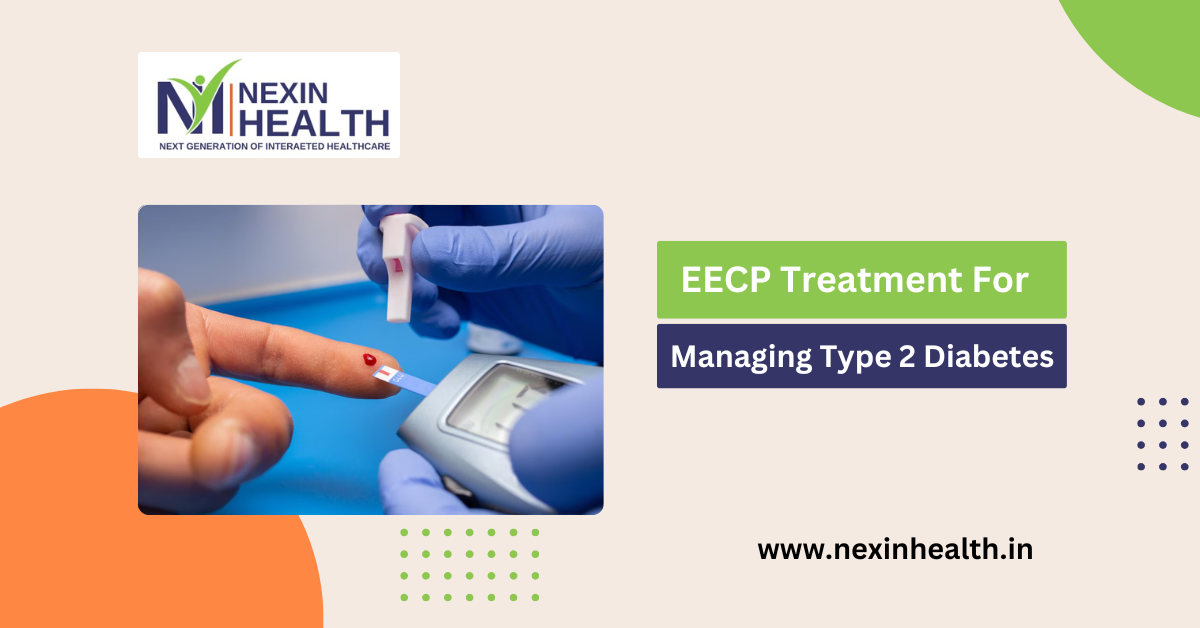



EECP Treatment in Managing Type 2 Diabetes: Type 2 diabetes is a chronic condition characterized by insulin resistance and high blood sugar levels. It can lead to serious complications like heart disease, stroke, kidney damage, and nerve damage if not managed properly.
While lifestyle changes, medication, and insulin therapy are the cornerstones of diabetes management, Enhanced External Counterpulsation (EECP) therapy is emerging as a promising non-invasive treatment for improving cardiovascular health and managing diabetes symptoms.
In this blog, we will explore how EECP therapy can help manage type 2 diabetes, its impact on insulin sensitivity, blood flow, and the production of nitric oxide, along with its potential to regulate glucose levels naturally.
In type 2 diabetes, the body’s cells become resistant to the effects of insulin, the hormone responsible for moving glucose from the blood into the cells for energy. This leads to high blood sugar levels, which over time can damage various organs and tissues. Insulin resistance is the hallmark of type 2 diabetes and is often accompanied by other conditions such as obesity, hypertension, and dyslipidemia.
Managing blood sugar levels and improving insulin sensitivity are key goals in diabetes treatment. This is where EECP therapy can play a critical role.
EECP therapy is a non-invasive treatment initially developed to improve blood flow in patients with heart disease. During EECP therapy, inflatable cuffs are placed around the legs, thighs, and buttocks. These cuffs inflate and deflate in sync with the patient’s heartbeat, creating a wave of pressure that pushes blood toward the heart.
This enhances circulation throughout the body, benefiting not just the heart but also other vital organs, including the pancreas, kidneys, and muscles — organs that are critical in managing type 2 diabetes.
One of the major challenges in type 2 diabetes is insulin resistance—when cells in the body, particularly in the muscles and liver, don’t respond properly to insulin. EECP therapy helps address this by:
EECP therapy enhances microvascular circulation, which means that more blood—and therefore more oxygen and nutrients—reaches insulin-sensitive tissues like the muscles and liver. Better circulation can improve glucose uptake by these tissues, reducing blood sugar levels and improving overall insulin sensitivity.
The endothelium, or the inner lining of blood vessels, plays a key role in regulating blood flow and insulin sensitivity. During EECP therapy, the increased pressure helps stimulate the release of nitric oxide, a molecule that causes blood vessels to relax and dilate. Nitric oxide also has anti-inflammatory properties, which is crucial in improving insulin sensitivity and combating insulin resistance.
A significant factor in glucose regulation is the presence of GLUT-4 transporters. These are proteins that transport glucose from the bloodstream into the cells. EECP therapy has been shown to improve the activity of GLUT-4 transporters, particularly in muscle cells, which are major sites for glucose storage. This enhancement in GLUT-4 activity allows more glucose to be used by the body, lowering blood sugar levels.
Nitric oxide (NO) is a powerful molecule that plays a critical role in vascular health. In type 2 diabetes, endothelial dysfunction—the inability of the blood vessels to dilate properly—contributes to high blood pressure, poor circulation, and increased risk of cardiovascular complications.
EECP therapy stimulates the production of nitric oxide, leading to:
Here are the primary mechanisms through which EECP therapy helps manage type 2 diabetes:
EECP therapy enhances blood flow to key organs like the pancreas, where insulin is produced, and muscles, which are major sites of glucose storage. Better circulation ensures that these organs function more effectively in managing blood sugar levels.
By improving blood flow and reducing vascular resistance, EECP therapy enhances the body’s natural ability to respond to insulin. This results in better glucose regulation and reduced blood sugar levels.
Chronic inflammation is a significant contributor to insulin resistance. The anti-inflammatory effects of nitric oxide released during EECP therapy help lower systemic inflammation, making it easier for the body to manage blood sugar levels.
EECP therapy indirectly aids in weight management by improving circulation, increasing energy levels, and encouraging a more active lifestyle. Since weight loss is a critical component of diabetes management, EECP can be a supportive tool in a comprehensive treatment plan.
Cardiovascular disease is a leading cause of death among individuals with diabetes. Patients with type 2 diabetes are at higher risk for heart attack, stroke, and other cardiovascular complications. EECP therapy offers a non-invasive way to reduce these risks by improving overall cardiovascular health. Enhanced blood flow, improved endothelial function, and reduced vascular resistance can help manage both blood sugar levels and blood pressure, addressing the two most significant risk factors in diabetic patients.
While diet, exercise, and medication are critical components of diabetes management, EECP therapy can serve as a complementary treatment, offering additional benefits in improving vascular health, reducing insulin resistance, and supporting long-term blood sugar control. When used in conjunction with conventional treatments, EECP therapy can enhance the overall management of type 2 diabetes.
Several studies have been conducted to explore the effects of EECP therapy on diabetes and cardiovascular health. Clinical trials have shown that patients with type 2 diabetes who undergo EECP therapy experience improvements in insulin sensitivity, blood pressure control, and vascular function. These findings support the use of EECP therapy as a valuable tool in managing diabetes and preventing long-term complications.
Also Read:
Most patients begin to see improvements in blood sugar levels and insulin sensitivity after several weeks of therapy, with full benefits becoming evident after completing the course.
EECP therapy should not be seen as a replacement for medication but rather as a complementary treatment. Always consult your healthcare provider before making any changes to your medication regimen.
Yes, EECP therapy is generally safe for individuals with diabetes, especially those with cardiovascular complications. However, it’s essential to consult with your doctor to ensure it’s the right option for you.
While EECP therapy does not directly cause weight loss, it can increase energy levels and improve circulation, making it easier to engage in physical activity and manage weight more effectively.
EECP therapy offers a promising, non-invasive treatment for managing type 2 diabetes and improving overall cardiovascular health. By enhancing insulin sensitivity, promoting nitric oxide production, and improving blood flow, EECP therapy can significantly reduce blood sugar levels and help manage the complications associated with diabetes.
For individuals looking for an innovative and effective approach to managing type 2 diabetes, EECP therapy may be the answer. Consult with your healthcare provider to learn more about how EECP therapy can be incorporated into your diabetes management plan for better long-term health outcomes.
Also Read:
Mr. Vivek Singh Sengar is the Founder of Fit My Heart and a leading Integrated Health Practitioner & Clinical Nutritionist at NEXIN HEALTH and MD City Hospital Noida. With over 13 years of experience, Vivek has treated more than 25,000 patients suffering from lifestyle diseases like heart disease, diabetes, and obesity through non-invasive, drugless, and nutrition-focused therapies.
His expertise combines modern medical knowledge with traditional Indian healing practices to provide comprehensive care for heart failure patients. Vivek’s approach focuses on sustainable lifestyle modifications, nutritional therapy, and patient education to achieve optimal cardiovascular health outcomes.
Get Expert Guidance for Your Heart Health:
📧 Email: care@nexinhealth.in
📞 Phone: +91 93101 45010
💬 WhatsApp: Click to Chat
Take the first step towards better heart health today. Contact our team for personalized heart failure management plans tailored to your specific needs and lifestyle.


Experience

Certified Therapists

Satisfied Patients
Contact us