EECP Therapy for Blood Pressure Treatment



EECP Therapy for Blood Pressure Treatment
Hypertension, commonly known as high blood pressure, is a leading risk factor for cardiovascular diseases, including heart attacks, strokes, and kidney disease. Managing hypertension typically involves lifestyle changes and medications, but for many people, achieving optimal blood pressure control can be challenging. While medication is effective for most patients, it comes with potential side effects and doesn’t always address the root causes of high blood pressure.
Enhanced External Counterpulsation (EECP) therapy has emerged as a promising non-invasive treatment that may help lower blood pressure naturally. This blog explores how EECP therapy works, how it can benefit individuals with hypertension, and the supporting clinical evidence behind this innovative approach.
Understanding Hypertension
Hypertension occurs when the force of blood against the walls of the arteries is consistently too high. Over time, this excess pressure can damage blood vessels and lead to serious health complications. Normal blood pressure is generally considered to be less than 120/80 mmHg, while hypertension is diagnosed when readings consistently exceed 130/80 mmHg.
Causes and Risk Factors
Several factors contribute to hypertension, including:
Left untreated, hypertension can result in damage to vital organs, including the heart, brain, and kidneys.
What is EECP Therapy?
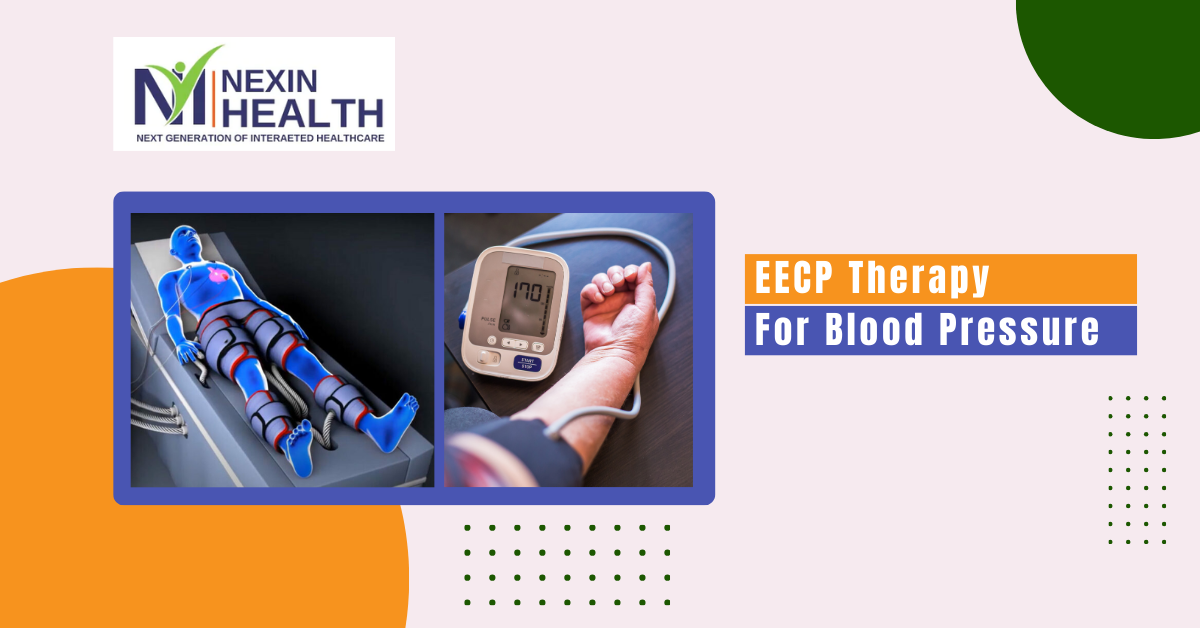
Enhanced External Counterpulsation (EECP) therapy is a non-invasive outpatient treatment designed to improve blood flow throughout the body, particularly to the heart. During EECP therapy, inflatable cuffs are wrapped around the patient’s legs, thighs, and buttocks. These cuffs inflate and deflate in rhythm with the patient’s heartbeat, increasing venous return (the amount of blood returning to the heart) during diastole (the heart’s relaxation phase).
EECP therapy typically consists of 35 one-hour sessions spread over seven weeks. The treatment has been shown to improve blood circulation, reduce symptoms of angina, and enhance overall cardiovascular health.
How EECP Therapy Helps Lower Blood Pressure
EECP therapy has been shown to improve cardiovascular function, which directly impacts blood pressure levels. Here’s how EECP works to lower blood pressure:
The endothelium is the inner lining of blood vessels and plays a crucial role in regulating blood pressure. EECP therapy has been shown to enhance endothelial function by:
EECP therapy stimulates the release of vasodilators—substances that relax blood vessels and allow them to widen. By promoting natural vasodilation, EECP therapy helps lower blood pressure without the need for medications.
Chronic inflammation can contribute to high blood pressure by damaging the blood vessels and promoting arterial stiffness. EECP therapy has been shown to reduce levels of C-reactive protein (CRP), an inflammatory marker linked to cardiovascular risk. By reducing inflammation, EECP therapy helps improve overall vascular health and reduce blood pressure.
EECP therapy improves the overall efficiency of the heart, allowing it to pump blood more effectively without excessive strain. This improved efficiency helps lower blood pressure by reducing the workload on the heart.
Clinical Evidence Supporting EECP Therapy for Hypertension
Several clinical studies and trials have demonstrated the effectiveness of EECP therapy in lowering blood pressure and improving overall cardiovascular health:
EECP Therapy Compared to Medications for Hypertension
While medications are commonly prescribed to manage high blood pressure, EECP therapy offers several distinct advantages. Here’s a comparison of EECP therapy and traditional medications for hypertension:
| Parameter | EECP Therapy | Hypertension Medications |
| Invasiveness | Non-invasive | Non-invasive |
| Mechanism of Action | Improves blood flow and endothelial function | Lowers blood pressure by acting on various pathways (e.g., ACE inhibitors, beta-blockers) |
| Side Effects | Minimal (mild discomfort) | Potential for side effects such as dizziness, fatigue, and electrolyte imbalances |
| Duration of Treatment | 35 sessions over 7 weeks | Continuous (lifelong medication use may be required) |
| Impact on Blood Pressure | Long-term improvement | Short-term control, may require adjustments or combination therapy |
| Sustainability | Potential for lasting benefits | Blood pressure returns to previous levels if medication is stopped |
| Additional Benefits | Improves overall cardiovascular health | Limited to lowering blood pressure |
| Cost | Generally affordable | Varies depending on medication and insurance coverage |
Other Benefits of EECP Therapy for Hypertension
EECP therapy offers various benefits beyond lowering blood pressure. These include:
Conclusion: EECP Therapy as a New Way to Lower Blood Pressure
EECP therapy offers a non-invasive, effective treatment option for individuals struggling to manage hypertension. By improving blood flow, enhancing endothelial function, and promoting natural vasodilation, EECP therapy can help lower blood pressure without the need for medication. Its additional benefits, such as improved heart efficiency, reduced inflammation, and enhanced exercise capacity, make it a valuable tool in the management of high blood pressure and cardiovascular health.
If you or someone you know is dealing with hypertension and is interested in exploring non-invasive treatments, EECP therapy could be a promising option. Consult with a healthcare provider to discuss whether this innovative treatment is suitable for your condition, and take the next step toward better heart health and long-term blood pressure control.


Experience

Certified Therapists

Satisfied Patients
Contact us