10 Natural Ways to Lower Blood Pressure in Hot Weather | Summer Health Tips
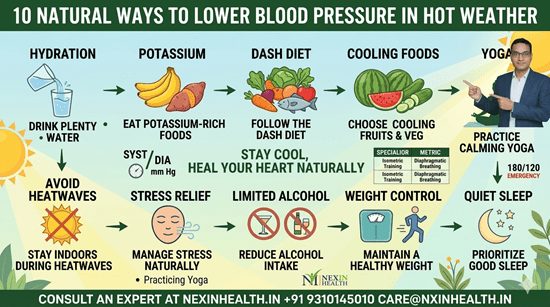



10 Natural Ways to Lower Blood Pressure in Hot Weather | Summer Health Tips — this is one of the most important things people with hypertension, heart disease, and diabetes need to know during the hot summer months. When temperatures rise, your body works harder to stay cool. This extra effort puts stress on your heart and blood vessels, making it harder to keep your blood pressure in a healthy range.
Summer heat can make high blood pressure worse, especially if you are not drinking enough water, eating the right foods, or managing your stress. The good news? There are simple, proven, natural ways to stay safe and keep your BP under control — even on the hottest days of the year.
In this guide, we will walk you through 10 science-backed lifestyle tips that work for general adults, heart disease patients, diabetics, and people with metabolic disorders. Read on — your heart will thank you.
Before we dive into the tips, here are some surprising facts that highlight why summer BP management matters so much:
| Fact | Detail |
|---|---|
| Blood pressure spikes in summer | Heat causes blood vessels to widen, dropping BP — but dehydration can sharply raise it. |
| Dehydration danger | Losing just 2% of body water can raise systolic BP by up to 10 mmHg. |
| 1 in 3 adults | Globally, 1.28 billion people have hypertension — many don’t know it. |
| Cold water effect | Drinking 500 ml of water can lower blood pressure within 30 minutes in hypertensive patients. |
| Potassium power | Eating a potassium-rich diet can lower systolic BP by 4–5 mmHg. |
| Yoga proven | Regular yoga lowers systolic BP by an average of 5 mmHg (Harvard study). |
| Heat + BP meds | Some BP medications make patients more sensitive to heat — extra care needed in summer. |
| DASH diet works | The DASH diet can lower systolic BP by up to 11 mmHg within 2 weeks. |
These facts make it clear — 10 Natural Ways to Lower Blood Pressure in Hot Weather | Summer Health Tips is not just a helpful guide, it could literally be life-saving during a heatwave.
When temperatures rise, your blood vessels widen (a process called vasodilation) to release heat from your body. This can temporarily lower blood pressure. However, the problem starts when you sweat too much and do not replace lost fluids and minerals.
Dehydration causes your blood volume to drop. Your heart then has to pump harder to deliver oxygen to your organs — and your blood pressure goes up. This is called a compensatory BP spike. In people already on BP medication, this reaction can be more severe.
According to recent clinical research, the heat and blood pressure relationship is also linked to the nervous system. Heat stress activates the “fight or flight” response, which releases stress hormones like cortisol and adrenaline — both of which raise BP.
One of the most powerful and free tools you have is water. Proper hydration for blood pressure control is essential in summer. When you do not drink enough water, your blood becomes thicker, making it harder for the heart to pump. This increases pressure on the artery walls.
How dehydration affects blood pressure: Research shows that even mild dehydration (loss of 2% of body weight in fluids) can raise systolic BP by up to 10 mmHg. For someone already managing hypertension, this is a serious concern.
Practical Hydration Tips:
Not all drinks are created equal when it comes to blood pressure. Some hydrate you and lower BP, while others spike it. Knowing the best drinks for high BP in hot weather is a simple but powerful lifestyle change.
Recommended drinks:
Drinks to avoid:
What you eat in summer directly impacts your blood pressure. A summer diet for hypertension should focus on whole, fresh, potassium-rich, and cooling foods. The DASH (Dietary Approaches to Stop Hypertension) diet is the gold standard — and it works perfectly for summer eating.
Cooling foods for hypertension include cucumber, mint, yogurt, coconut, leafy greens, and citrus fruits. These foods reduce internal body heat, keep you hydrated, and supply minerals that relax blood vessels.
Best foods to lower blood pressure in summer:
Potassium is your blood pressure’s best friend. Potassium-rich foods for BP control work by helping the kidneys remove excess sodium from the body. According to Harvard School of Public Health, a high-potassium diet can lower systolic BP by 4–5 mmHg.
Most Indians eat too little potassium and too much sodium. This imbalance is a major driver of hypertension. Correcting it through food — not supplements — is the safest and most effective approach.
Top potassium-rich foods:
Important note for diabetics and kidney patients: Discuss a potassium-rich diet with your doctor before making major changes, especially if you are on BP or diabetes medication.
Many natural remedies for hypertension in summer have strong scientific backing. These are simple, inexpensive, and safe for most people — even those on medication (always check with your doctor first).
Best home remedies for high blood pressure:
These home remedies work best when combined with a healthy diet and exercise. They are not a replacement for prescribed medication.
Yoga for blood pressure control is not just a trend — it is clinically proven. A Harvard study found that regular yoga practice can reduce systolic BP by an average of 5 mmHg. The combination of gentle movement, deep breathing, and mindfulness targets all three root causes of high BP: stress, poor circulation, and body weight.
Best yoga poses for hypertension in summer:
Tip: Practice yoga in the early morning or evening — never in the afternoon heat. Drink water before and after.
Stress is a hidden driver of high blood pressure. Stress management in summer is especially important because summer brings its own set of pressures — vacations, travel, financial stress, disrupted routines, and poor sleep in the heat.
When stressed, the body releases cortisol and adrenaline. These hormones constrict blood vessels and increase heart rate — which raises BP. Prolonged stress keeps BP elevated for hours after the trigger.
Practical stress management strategies:
In summer, you lose electrolytes like sodium, potassium, and magnesium through sweat. Electrolyte balance and blood pressure are tightly connected — too much sodium and too little potassium is the most common imbalance that drives hypertension.
Most people replace sweat with sugary sports drinks that are high in sodium — which makes BP worse. Instead, focus on natural electrolyte sources.
Natural electrolyte sources:
Avoid table salt, packaged electrolyte drinks, and processed snacks. They disrupt your sodium-potassium balance and spike BP.
Lifestyle tips for high BP in summer go beyond just food and exercise. Your daily habits, environment, and medication routine all play a role. During a heatwave, extra precautions are needed — especially for elderly patients, diabetics, and heart patients.
Essential lifestyle tips:
The final — and often overlooked — step is regular monitoring. You cannot manage what you do not measure. A digital arm cuff monitor is affordable, easy to use, and gives you real data on how your lifestyle changes are working.
Tips for accurate home BP monitoring:
If your BP reading exceeds 180/120 mmHg and you have symptoms like chest pain, severe headache, or difficulty breathing — seek emergency medical care immediately.
This table compares different natural and medical approaches so you can choose what suits your situation best. Always consult your doctor before changing your treatment plan.
| Approach | Effectiveness | Time to Result | Safe for All? | Cost | Best For |
|---|---|---|---|---|---|
| Hydration | High | Minutes–Hours | Yes | Free | All patients |
| DASH / Summer Diet | Very High | 2–4 Weeks | Yes | Low | Diabetics, Heart patients |
| Exercise / Yoga | High | 2–4 Weeks | Mostly (consult Dr) | Free–Low | All adults |
| Stress & Breathing | Moderate–High | Days | Yes | Free | Stress-related BP |
| Electrolyte Balance | High | Hours–Days | Yes (avoid if kidney issue) | Low | Summer / Heatwave |
| Potassium-rich Foods | High | 1–3 Weeks | Consult Dr if on BP meds | Low | Hypertension, Metabolic |
| Home Remedies (Garlic, etc.) | Moderate | Weeks | Mostly Yes | Very Low | Mild hypertension |
| Limiting Alcohol & Salt | Very High | Days–Weeks | Yes | Free | All patients |
| Good Sleep | High | 1–2 Weeks | Yes | Free | All adults |
| Medical Medication | Very High | Days | Doctor-prescribed only | Moderate–High | Severe hypertension |
As the table shows, a combination of hydration, diet, exercise, and stress management gives the best results — and is safe for almost everyone.
| Need Expert Help with Your Blood Pressure?
NexIn Health is a trusted name in Heart and Spine Treatment, specializing in Non-Invasive Integrated Techniques. With 14+ years of experience and over 30,000 satisfied patients, NexIn Health provides personalized, drug-free solutions for hypertension, heart disease, and metabolic disorders. Phone & WhatsApp: +91 9310145010 Website: www.nexinhealth.in Email: care@nexinhealth.in Read More : Advanced EECP Therapy in Noida |
10 Natural Ways to Lower Blood Pressure in Hot Weather | Summer Health Tips are not just seasonal advice — they are long-term lifestyle principles that protect your heart, kidneys, and brain all year round. Summer simply makes them more urgent.
Whether you are managing hypertension, heart disease, diabetes, or a metabolic disorder, these strategies work. Start with hydration and cooling foods this week, add yoga and stress management the next, and build your healthiest summer routine one step at a time.
Remember: your blood pressure did not get high overnight, and it won’t come down overnight. Be consistent, be patient, and work closely with your healthcare provider. The goal is not just lower numbers — it is a longer, healthier, happier life.
Hot weather can cause blood vessels to widen, which may temporarily lower BP. But if you become dehydrated or overexerted in heat, your BP can spike dangerously. People with existing hypertension must be extra careful in summer.
Aim for 8–10 glasses (2–2.5 litres) of water daily. If you sweat heavily or exercise outdoors, drink more. Avoid waiting until you feel thirsty — that means you are already slightly dehydrated.
Coconut water, beetroot juice, hibiscus tea, cucumber water, and plain water are excellent choices. Avoid sugary sodas, energy drinks, and excessive caffeine, which can spike BP.
Avoid processed foods, pickles, papadums, instant noodles, canned soups, salty snacks, and fast food. These are loaded with sodium, which raises blood pressure.
Yes, gentle yoga — especially breathing exercises (pranayama), child’s pose, and legs-up-the-wall — is safe and effective. Avoid hot yoga or vigorous sessions in peak summer heat.
Absolutely. Summer travel stress, financial pressure, family stress, and poor sleep all trigger cortisol, which raises BP. Daily deep breathing, meditation, or even a 20-minute walk can help.
Yes — significantly. Reducing sodium from 3,400 mg/day (average) to under 1,500 mg/day can lower systolic BP by 5–6 mmHg. That is as effective as some medications for mild hypertension.
In many cases of mild to moderate hypertension, yes. Diet, exercise, stress management, hydration, and sleep can lower BP naturally. However, always consult your doctor before stopping any prescribed medication.
Potassium from natural food sources (bananas, coconut water, spinach) is safe for most people. Supplements should only be taken under doctor supervision — they can be dangerous if you have kidney disease or take certain BP medications.
Cucumbers, watermelon, mint, curd/yogurt, green leafy vegetables, raw onions, and citrus fruits are cooling foods that also support healthy BP. They are hydrating and rich in potassium and magnesium.
Poor or insufficient sleep (less than 7 hours) keeps the body in a stress state, raising BP. In summer, ensure your room is cool and dark. Avoid screens an hour before bed.
Yes. The DASH diet, exercise, potassium-rich foods, and stress management benefit both hypertension and diabetes. These lifestyle changes address the common root — poor metabolic health.
Electrolytes like sodium, potassium, and magnesium regulate fluid balance and nerve signals. In summer, you lose them through sweat. Imbalance can cause BP spikes or crashes. Replenish with coconut water, fruits, and ORS if needed.
See a doctor immediately if your BP reads 180/120 mmHg or above, or if you feel chest pain, severe headache, vision changes, or dizziness. This is a hypertensive emergency.
Yes. Aged garlic extract has been shown in clinical studies to lower systolic BP by 8–10 mmHg in people with hypertension. Eating 1–2 raw garlic cloves daily is a proven home remedy for mild high BP.


Experience

Certified Therapists

Satisfied Patients
Contact us