Benefits of EECP Therapy to Manage Lipid Profile
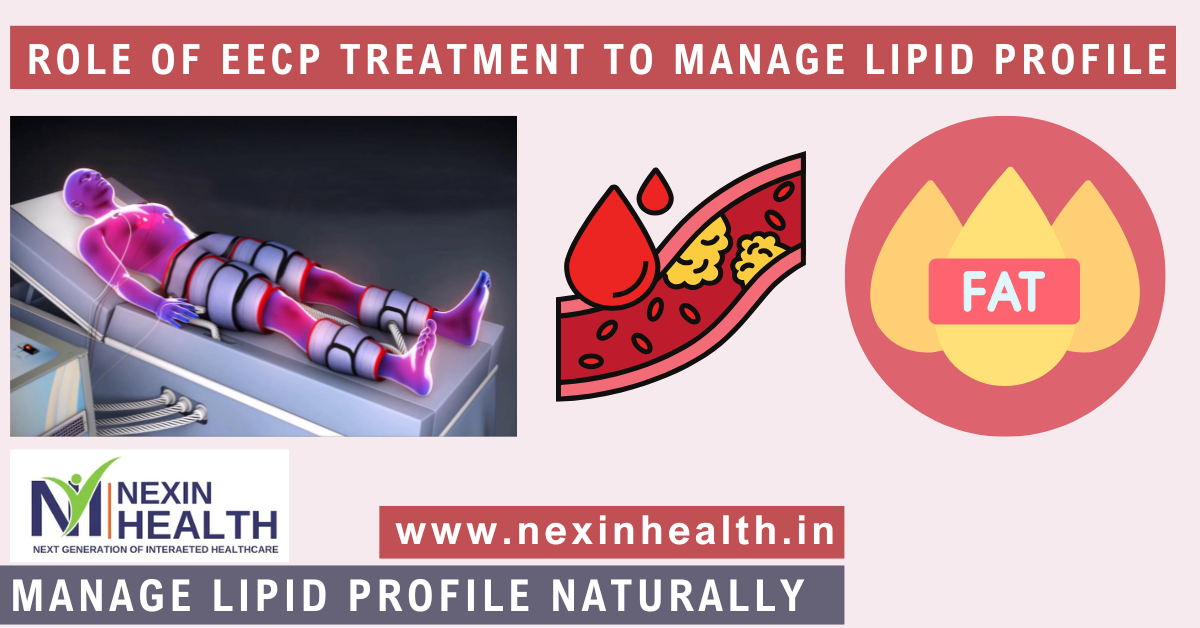


Benefits of EECP Therapy to Manage Lipid Profile: Enhanced External Counterpulsation (EECP) therapy is widely known for its cardiovascular benefits, particularly in improving blood circulation and reducing angina symptoms. However, research and clinical observations have shown that EECP can also play a role in managing lipid profiles, which is critical for individuals looking to control cholesterol levels and reduce the risk of cardiovascular disease.
In this guide, we will explore how EECP therapy affects lipid metabolism, its role in improving cholesterol levels, and how it benefits patients with dyslipidemia or other lipid-related disorders. We’ll also examine the potential mechanisms through which EECP enhances lipid profile management, as well as the broader impact of improved circulation on overall metabolic health.
A lipid profile is a blood test that measures the levels of lipids (fats) in the blood, including:
Maintaining a healthy lipid profile is crucial for preventing cardiovascular diseases such as atherosclerosis, coronary artery disease (CAD), and stroke.
While EECP is not directly designed to target lipid metabolism, its effects on overall circulation and metabolic health can indirectly contribute to better lipid profile management. Here are several ways in which EECP therapy may help:
EECP enhances blood flow throughout the body, improving the delivery of oxygen and nutrients to tissues and organs. This improved circulation supports the liver, which is responsible for processing cholesterol and regulating lipid levels in the blood. By enhancing hepatic perfusion (blood flow to the liver), EECP may help the liver function more efficiently, thus improving the body’s ability to manage cholesterol levels.
: The liver plays a central role in lipid metabolism. It produces cholesterol, helps regulate LDL and HDL levels, and processes triglycerides. Improved blood flow to the liver through EECP may optimize these functions, leading to better regulation of cholesterol levels.
Chronic inflammation is a key factor in the development of dyslipidemia and cardiovascular disease. High levels of LDL cholesterol can lead to inflammation in blood vessels, promoting the formation of plaques. EECP has been shown to reduce inflammation in the vascular system by improving endothelial function (the health of blood vessel linings) and reducing oxidative stress.
One of the key benefits of EECP therapy is its ability to stimulate the production of nitric oxide, a molecule that helps blood vessels relax and dilate. Nitric oxide plays a crucial role in maintaining healthy blood pressure and preventing the oxidation of LDL cholesterol—a process that can lead to plaque formation in arteries.

Many patients undergoing EECP therapy report improvements in their energy levels and physical activity. This increase in activity, combined with the metabolic boost from improved circulation, can lead to weight loss. Since obesity and poor lipid profiles are often linked, weight loss can have a significant positive impact on cholesterol levels.
EECP therapy has been shown to improve insulin sensitivity, which is important for patients with diabetes or metabolic syndrome—conditions closely tied to dyslipidemia. Better insulin sensitivity can help regulate blood sugar levels, reduce triglyceride levels, and improve HDL cholesterol, creating a healthier lipid profile.

Enhanced External Counterpulsation (EECP) is a non-invasive therapy that improves blood flow to the heart. During EECP, inflatable cuffs are placed around the lower legs and synchronized with the patient’s heartbeat. As the heart relaxes (diastole), the cuffs inflate, increasing blood flow back to the heart and reducing the workload on the heart muscle. This increased blood flow can alleviate angina symptoms, improve exercise tolerance, and potentially stimulate the growth of new blood vessels.
By improving lipid profiles, EECP therapy can significantly reduce the risk of cardiovascular diseases such as coronary artery disease, heart attacks, and strokes. Here’s how EECP’s benefits extend to overall cardiovascular risk reduction:
Atherosclerosis, or the hardening and narrowing of arteries due to plaque buildup, is a major cause of heart attacks and strokes. High LDL cholesterol is a key contributor to plaque formation. EECP’s ability to improve blood flow, reduce inflammation, and enhance nitric oxide production helps prevent the oxidation of LDL cholesterol and the formation of plaques, reducing the risk of atherosclerosis.
High triglyceride levels are a risk factor for heart disease. While lifestyle changes like diet and exercise are the primary methods for reducing triglycerides, EECP therapy’s effects on metabolism and weight loss can support these efforts, leading to a healthier lipid profile and reduced cardiovascular risk.
Low levels of HDL cholesterol are associated with an increased risk of heart disease. EECP therapy may help improve HDL cholesterol by supporting liver function and promoting overall metabolic health. As HDL helps remove LDL from the arteries, higher levels can contribute to a lower risk of cardiovascular events.
Several studies have explored the impact of EECP therapy on lipid profiles and overall metabolic health. While more research is needed to establish a direct link between EECP and cholesterol management, current evidence supports its benefits for cardiovascular health, including its potential to improve lipid profiles in patients with heart disease and metabolic syndrome.
In a clinical trial, EECP therapy was found to reduce markers of inflammation, including C-reactive protein (CRP), in patients with cardiovascular disease. Since inflammation is a key driver of lipid imbalances and plaque formation, this reduction in inflammation could lead to better cholesterol management and a reduced risk of heart disease.
Research has shown that EECP improves endothelial function, helping blood vessels dilate more effectively. This improved vascular health can help prevent the buildup of cholesterol plaques, contributing to a healthier lipid profile and reducing the risk of atherosclerosis.
| Treatment Method | Mechanism of Action | Effects on Lipid Profile | Additional Benefits | Limitations |
|---|---|---|---|---|
| EECP Therapy | Enhances blood flow, improves liver perfusion, reduces inflammation, boosts nitric oxide production | Indirect improvement in LDL, HDL, and triglycerides through metabolic optimization | Improves circulation, supports weight loss, enhances insulin sensitivity | Requires multiple sessions, effects are gradual |
| Statin Medications | Blocks HMG-CoA reductase enzyme to lower cholesterol production in the liver | Significant reduction in LDL cholesterol, slight increase in HDL | Rapid effects, effective for high-risk patients | Potential side effects: muscle pain, liver damage, increased risk of diabetes in some cases |
| Fibrates | Reduces triglycerides and slightly increases HDL | Effective for reducing triglycerides, modest HDL improvement | Works well for metabolic syndrome patients | Less effective on LDL, potential for gallstone formation and liver issues |
| Dietary Changes (Low Fat) | Reduces intake of saturated and trans fats, increases fiber | Improves all lipid parameters (LDL, HDL, triglycerides) | Promotes overall health, helps with weight management | Requires strict adherence, slow results |
| Exercise | Enhances metabolism, increases HDL production | Moderate increase in HDL, reduction in triglycerides | Improves cardiovascular and overall health, aids in weight loss | Requires consistency, less effective on LDL cholesterol alone |
| Niacin (Vitamin B3) | Reduces LDL and triglycerides, increases HDL | Improves all lipid parameters, particularly increases HDL | Affordable, vitamin-based | Flushing, potential for liver toxicity and elevated blood sugar levels |
| PCSK9 Inhibitors | Blocks PCSK9 protein to lower LDL cholesterol | Dramatic reduction in LDL | Effective for high-risk patients unresponsive to statins | High cost, injectable-only |
| Omega-3 Fatty Acids | Reduces triglycerides | Decreases triglycerides, may slightly increase HDL | Anti-inflammatory, supports heart health | Limited effect on LDL |
This comparison illustrates how EECP therapy offers a unique, holistic benefit that complements other treatments while focusing on improving metabolic health and reducing cardiovascular risks
While EECP is primarily known for its cardiovascular benefits, its ability to improve circulation, reduce inflammation, and support metabolic health makes it a promising therapy for managing lipid profiles. By enhancing liver function, supporting weight loss, improving insulin sensitivity, and reducing the risk of atherosclerosis, EECP offers a holistic approach to cholesterol management.
If you are struggling with high cholesterol, triglycerides, or other lipid imbalances, consider discussing EECP therapy with your healthcare provider as part of a comprehensive strategy for improving your heart health and reducing cardiovascular risk.


Experience

Certified Therapists

Satisfied Patients
Contact us