Top 5 Effects of Blood Vessel Dilation in Hot Weather You Should Know
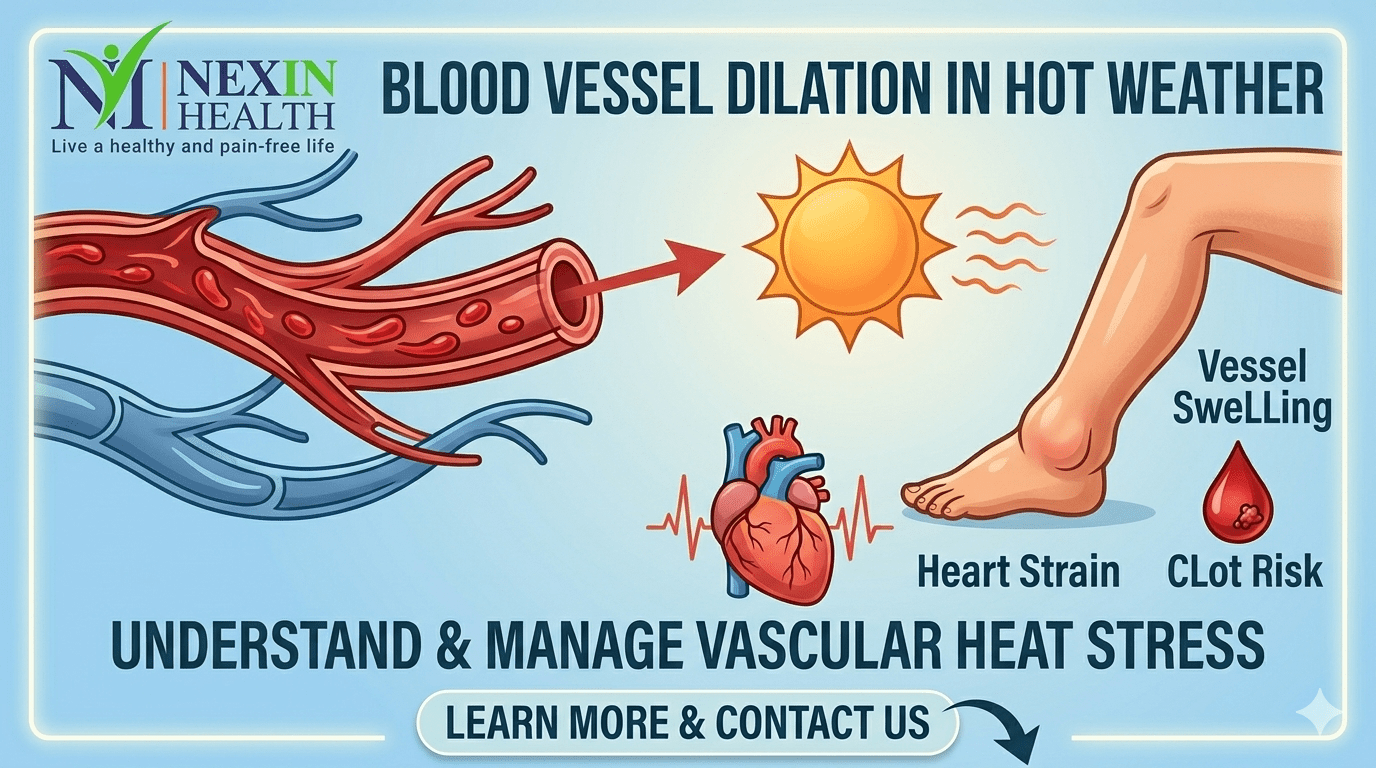



Blood vessel dilation in hot weather is your body’s natural cooling mechanism, but it comes with significant health consequences you need to understand. When temperatures rise, your arteries and veins expand to redirect blood flow toward your skin surface, allowing heat to escape. While this process helps regulate your body temperature, it can trigger serious complications—especially for people with heart disease, diabetes, or vascular conditions.
In this comprehensive guide, we’ll explain the five major effects of blood vessel dilation during hot weather, backed by clinical research and practical insights. Whether you’re managing a chronic condition or simply want to stay safe this summer, this information can help you make better decisions about your health.
Did you know? Here are five eye-opening facts that might surprise you:
During hot weather, your cardiac output can increase up to 2.5 times – Your heart pumps approximately 12.5 liters of blood per minute compared to just 5 liters at rest. This massive increase puts tremendous strain on your cardiovascular system.
The “danger zone” temperature is above 70°F with humidity exceeding 70% – This specific combination is when most heat-related vascular complications spike dramatically.
Blood pooling in your legs can increase by 7-8 liters per minute – This explains why swelling becomes so severe during summer months, particularly in your feet and ankles.
Heat-induced vasodilation activates nitric oxide pathways – This biochemical process increases vascular function but also increases your vulnerability to blood clots if you’re dehydrated.
People over 50 are 3 times more likely to experience serious heat-related complications – Age significantly impacts your body’s ability to regulate temperature during vasodilation.
Why does heat cause vasodilation or vasoconstriction? This is one of the most common questions. The answer is simple: heat primarily causes vasodilation—your blood vessels expand. This dilation disrupts the normal flow of blood back to your heart, especially in your legs and feet.
When blood vessels dilate in hot weather, gravity works against you. Blood pools in your lower extremities instead of returning efficiently to your heart. This creates a condition called heat edema, where pressing your finger into swollen skin leaves temporary indentations that take several seconds to disappear.
Who’s most affected? People with varicose veins, chronic venous insufficiency, or those over age 50 experience the worst symptoms. Pregnant women also face heightened risks due to hormonal changes affecting vein strength.
The science behind it: Your body redirects blood flow to your skin surface—approximately 40% of blood normally flowing to your internal organs gets diverted. Your splanchnic blood flow decreases by about 40%, while renal blood flow drops by 15-30%. This massive redistribution causes your extremities to swell as fluid accumulates in tissues.
Practical impact: You might notice your shoes feel tighter by afternoon, your rings don’t fit, or your legs feel heavy and uncomfortable. These aren’t minor inconveniences—they signal your vascular system is struggling.
How hot weather affects your blood pressure reveals another critical concern. When blood vessels dilate, your heart compensates by beating faster and working harder to maintain adequate blood pressure.
During heat exposure, your heart rate can increase significantly. Your sympathetic nervous system shifts into overdrive, triggering faster heart contractions and increased conduction velocity through cardiac muscle. The heart pumps blood at nearly 2.5 times its normal capacity.
What this means for your health: If you already have hypertension or heart disease, this extra workload becomes dangerous. Your body must circulate significantly more blood while simultaneously trying to cool down. This dual demand exhausts your cardiovascular reserves.
Research findings: Clinical studies show that people with existing heart conditions face the highest risk during heat waves. Those taking blood pressure medications, diuretics, or sedatives become even more vulnerable because these drugs interfere with your body’s natural heat regulation mechanisms.
Warning signs to watch for:
If you experience multiple symptoms simultaneously, seek immediate medical attention. Don’t wait or assume it’s just the heat.
What heat does to blood vessels becomes exponentially worse when combined with high humidity. Most people understand heat’s impact, but humidity adds a dangerous second layer of stress.
Humidity impairs your body’s primary cooling mechanism—sweating. When moisture in the air prevents sweat from evaporating efficiently, heat becomes trapped in your body. Your internal temperature rises dangerously while your skin stays wet and clammy.
The vascular consequence: Your blood thickens due to dehydration as your body loses fluids through sweating. Thicker blood moves more sluggishly through your vessels, increasing clot risk substantially. Your heart must work even harder to push this thickened blood through dilated blood vessels.
Specific statistics: When humidity exceeds 70% combined with temperatures above 70°F, emergency room visits for heat-related illnesses spike by approximately 40-50%. Most of these cases involve vascular complications rather than simple heat exhaustion.
Why this matters for different patients:
Heat-induced vasodilation symptoms include something many people overlook—increased thrombosis risk. When blood vessels dilate and then must constrict repeatedly, your blood becomes stickier and more prone to clotting.
Here’s the mechanism: Dehydration caused by excessive sweating concentrates blood cells and platelets. Simultaneously, your body’s inflammatory response activates in response to heat stress. These combined factors create an ideal environment for dangerous blood clots to form.
Who faces the highest risk?
The concerning part: Many people don’t recognize clot formation symptoms until it’s serious. Early signs include unusual calf pain, sudden swelling in one leg only, skin warmth over a vein, or redness along a vein path.
How vascular health during summer heat deteriorates: Blood pooling combined with dehydration and inflammation creates the perfect storm for thrombosis. Your veins, already struggling with vasodilation, lose their ability to propel blood effectively.
How to dilate blood vessels naturally sounds simple, but your body’s automatic vasodilation during heat creates cascading complications throughout your physiology.
When vasodilation occurs, your body enters a hyperadrenergic state—meaning your sympathetic nervous system goes into overdrive. This triggers multiple system-wide effects:
Electrolyte imbalances: Sweating causes you to lose sodium, potassium, and magnesium. These minerals are crucial for heart rhythm, muscle function, and nerve signaling. Imbalances can trigger muscle cramps, weakness, and irregular heartbeats.
Dehydration consequences: Beyond simple thirst, dehydration interferes with kidney function, blood volume regulation, and metabolic processes. Your body becomes unable to cool itself effectively—a dangerous cycle.
Glucose dysregulation: People with diabetes face particular danger. Heat increases insulin absorption rate, potentially causing dangerously low blood sugar. Simultaneously, stress hormones released during heat exposure can spike blood sugar unpredictably.
Nervous system stress: Prolonged vasodilation and sympathetic activation deplete your body’s stress hormone reserves, leading to fatigue, confusion, and impaired decision-making.
Observable symptoms:
Understanding the difference between heat and cold vasodilation helps explain why seasonal changes affect your health so dramatically.
Heat Effects (Vasodilation):
Cold Effects (Vasoconstriction):
The key insight: Both extremes stress your cardiovascular system differently. Neither heat nor cold is “better”—each requires distinct protective strategies. Summer heat causes problems through blood pooling and dehydration; winter cold causes problems through reduced circulation and increased blood pressure.
| Intervention | Effectiveness for Vasodilation | Time Required | Best For | Cost |
|---|---|---|---|---|
| Compression Stockings | Moderate – Reduces symptoms | Immediate | Daily summer management | Low ($30-100) |
| Hydration Protocol | High – Prevents complications | Immediate | All populations, prevention | Minimal |
| Elevation Therapy | Moderate – Temporary relief | 15-20 minutes | Evening symptom relief | Free |
| Cool Water Immersion | High – Acute vasodilation relief | 10-30 minutes | Post-heat exposure | Low |
| Minimally Invasive Procedures | High – Long-term | Ongoing | Varicose veins, chronic insufficiency | Medium ($2,000-5,000) |
| Heat Therapy Sessions | High – Chronic improvement | 8-12 weeks | Vascular adaptation | Medium ($1,500-3,000) |
| Lifestyle Modifications | Moderate to High | Ongoing | All conditions | Low to Moderate |
| Medication Management | Varies | Ongoing | Specific conditions | Medium |
Hydration is non-negotiable. Drink at least 2-3 liters of water daily during hot months. Don’t wait until you’re thirsty—thirst is already a sign of dehydration. Include electrolyte-rich foods like bananas (potassium), nuts (magnesium), and leafy greens.
Compression therapy works. Graduated compression stockings create external pressure that helps veins push blood back toward your heart. Wear them during the day when your risk of swelling is highest. Medical-grade compression (20-30 mmHg) is more effective than over-the-counter options for significant symptoms.
Timing matters. Avoid prolonged sun exposure during peak heat hours (11 AM – 3 PM). These hours pose the greatest cardiovascular strain. If you must be outside, seek shade regularly and take cooling breaks every 30 minutes.
Movement is medicine. Gentle walking and calf-pumping exercises activate your calf muscle pump—the mechanism that propels blood upward against gravity. Even five minutes of walking each hour prevents pooling more effectively than sitting in air conditioning.
Elevation protocol: Raise your legs above heart level for 15-20 minutes in the evening. This simple action significantly reduces next-day swelling, as gravity helps return pooled blood to your circulation.
Your cardiovascular system is already working at reduced capacity. Summer heat compounds this stress. Discuss specific precautions with your cardiologist. You may need adjusted medication schedules during hot months or additional monitoring during heat waves.
Heat affects insulin absorption rates unpredictably. Your blood sugar may drop suddenly during heat exposure. Carry fast-acting carbohydrates (glucose tablets, juice) consistently. Monitor blood sugar more frequently during hot weather—every 2-3 hours rather than your normal schedule.
Your body’s ability to regulate metabolism and temperature is already compromised. Heat exposure can trigger metabolic derangements affecting energy levels, glucose regulation, and inflammation. Work closely with your healthcare provider to develop a heat management plan.
Seek emergency care if you experience:
Severe symptoms:
Concerning symptoms requiring prompt medical evaluation:
These symptoms may indicate serious conditions like deep vein thrombosis, heat stroke, or acute heart issues. Don’t self-treat—seek professional evaluation immediately.
While prevention strategies are crucial, professional medical evaluation provides personalized recommendations based on your specific health profile. Your doctor can:
Don’t assume general advice applies to your situation. Your healthcare provider understands your complete medical picture—leverage that expertise.
NexIn Health is a specialized healthcare center dedicated to heart and spine treatment using non-invasive, integrated techniques. With over 14 years of clinical experience and consultation for more than 30,000 patients, we combine cutting-edge technology with compassionate, personalized care. Our team specializes in vascular health management, helping patients understand how conditions like blood vessel dilation affect their wellness and developing customized treatment strategies.
Contact NexIn Health Today:
📞 Phone & WhatsApp: +91 9310145010
🌐 Website: www.nexinhealth.in
📧 Email: care@nxinhealth.in
Read More: Advanced EECP Therapy in Noida
Q1: Does heat actually cause blood vessels to dilate, or am I imagining the swelling?
A: Heat absolutely causes vasodilation—this is a documented physiological response. Your blood vessels expand to increase blood flow to your skin surface for cooling. The swelling you notice is real and caused by blood pooling in your legs and feet due to gravity and reduced return flow to your heart.
Q2: Why does heat cause vasodilation or vasoconstriction?
A: Heat primarily causes vasodilation—your body actively expands blood vessels to release heat. This happens through a complex system involving temperature-sensitive nerves, nitric oxide production, and your sympathetic nervous system. Your body prioritizes cooling over other functions.
Q3: How long does vasodilation last after heat exposure?
A: Initial vasodilation can persist for hours after heat exposure, especially if you remain in warm environments. If you cool down properly and rehydrate, your blood vessels typically return to normal within 2-4 hours. However, the effects on blood volume and swelling may linger longer.
Q4: Can humidity and blood circulation effects be worse than heat alone?
A: Yes, absolutely. High humidity combined with heat is more dangerous than either factor alone. Humidity prevents sweat evaporation, trapping heat in your body. This forces your heart to work even harder while your body loses fluid rapidly. The combination creates greater cardiovascular stress.
Q5: What are effects of hot weather on blood pressure?
A: Hot weather typically causes blood pressure to drop initially as blood vessels dilate. However, your heart compensates by beating faster and more forcefully. For people with existing hypertension, heat can destabilize blood pressure control, causing dangerous fluctuations.
Q6: Should I stop exercising in hot weather?
A: No, but modify your routine. Exercise during cooler morning or evening hours. Stay hydrated consistently throughout your workout. Take frequent breaks in shade. If you have heart disease or diabetes, discuss appropriate exercise intensity with your doctor—some activity is better than avoidance, but intensity matters.
Q7: Does what heat does to blood vessels mean I should avoid being outside?
A: Not necessarily. Understand your personal risk, take preventive measures, and adjust your activities. Stay outside during cooler hours, use shade, wear protective clothing, and hydrate properly. Complete avoidance isn’t practical or healthy—smart adaptation is the answer.
Q8: How can I dilate blood vessels naturally during hot weather without medications?
A: Exercise, stress reduction, adequate sleep, nitrate-rich foods (beets, leafy greens), and proper hydration support healthy vasodilation. However, during hot weather, your body is already forcing vasodilation. Focus instead on managing its consequences through compression, elevation, hydration, and movement.
Q9: Are there foods that help improve vascular health during summer?
A: Yes. Watermelon and citrus fruits provide hydration and potassium. Leafy greens supply nitrates that support vascular function. Berries contain antioxidants reducing inflammation. Fatty fish provide omega-3s supporting circulation. Garlic and ginger offer anti-inflammatory benefits. Focus on nutrient density and hydration.
Q10: How does vascular health during summer heat differ from winter?
A: Summer heat causes blood pooling, increased cardiac workload, dehydration, and clot risk. Winter cold causes vasoconstriction, reduced peripheral blood flow, elevated blood pressure, and angina risk. Both seasons demand different protective strategies—heat requires hydration and elevation; cold requires warmth and activity.
Q11: Should I wear compression stockings even when not experiencing symptoms?
A: If you have varicose veins, venous insufficiency, or family history of vascular disease, yes—preventive compression reduces symptom development. If you’re healthy with no vascular risk factors, compression is unnecessary. Ask your doctor about your individual risk profile.
Q12: Can dehydration from heat actually cause permanent vascular damage?
A: Acute dehydration typically resolves with rehydration. However, repeated episodes of severe dehydration can stress your kidneys and cardiovascular system. Chronic dehydration may contribute to lasting vascular problems. Prevention through consistent hydration is far better than repeated recovery.
Q13: Why do my medications seem less effective during hot months?
A: Heat affects medication absorption rates differently. Blood pressure medications may become too effective as heat naturally lowers pressure. Diuretics cause more fluid loss in heat. Insulin absorption accelerates. Don’t adjust medications yourself—contact your doctor. You may need dose adjustments during summer months.
Q14: If I feel dizzy during hot weather, what’s the first thing I should do?
A: Immediately move to a cool environment. Sit or lie down with your legs elevated. Drink cool water if conscious and able to swallow. Remove excess clothing. Apply cool, damp cloths to your skin. If dizziness persists beyond a few minutes or other symptoms develop, seek medical attention.
Q15: Can cold vs heat effects on blood vessels explain why my symptoms change seasonally?
A: Absolutely. Seasonal changes cause dramatic shifts in how your vascular system functions. Summer heat causes specific problems (pooling, swelling); winter cold causes different problems (reduced peripheral circulation, pressure spikes). Understanding these seasonal patterns helps you prepare appropriate strategies year-round.
Blood vessel dilation in hot weather isn’t something you can prevent—it’s a fundamental physiological response. However, you can absolutely manage its consequences. Armed with understanding of these five major effects, practical prevention strategies, and knowledge of warning signs, you’re empowered to protect your health through coming hot months.
Remember: You’re not overreacting by being concerned about heat’s effects on your vascular system. Your body’s response to heat stress is real, measurable, and potentially serious. Taking it seriously through hydration, movement, compression, and professional guidance is simply smart self-care.
Your vascular health supports everything—circulation, oxygen delivery, nutrient distribution, and temperature regulation. Invest in protecting it, especially during seasons that challenge it most.
Stay informed. Stay hydrated. Stay safe.


Experience

Certified Therapists

Satisfied Patients
Contact us