Diabetes Management with EECP Therapy: A Non-Invasive Approach
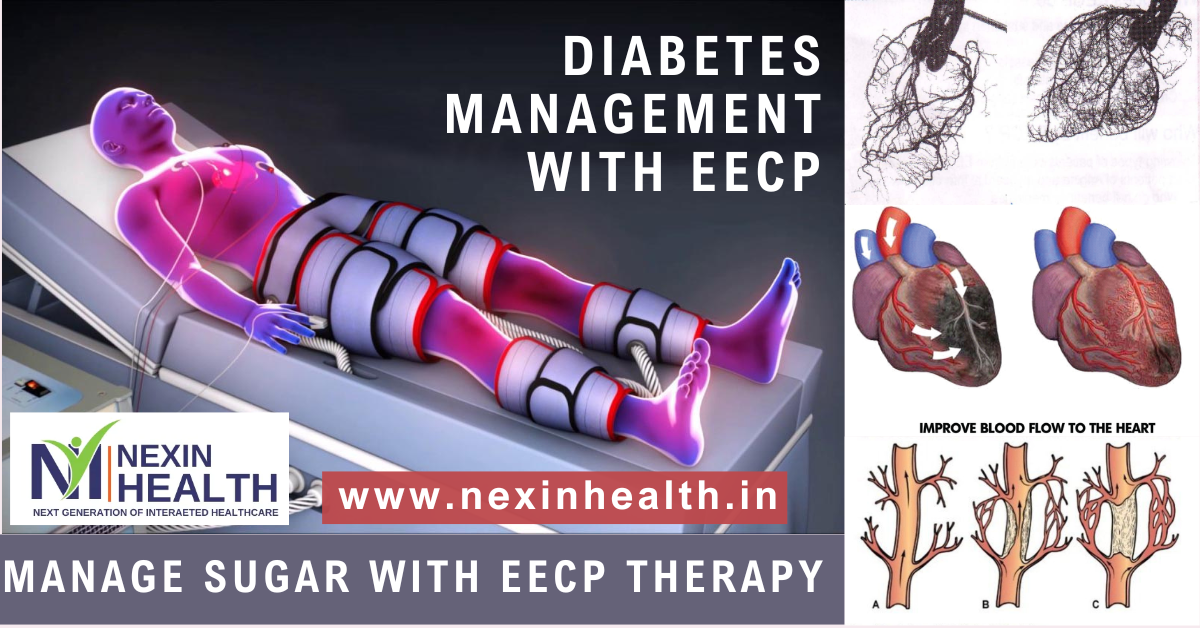



Diabetes Management with EECP Therapy: Diabetes is a growing global health concern, affecting millions of people worldwide. Traditional management strategies often include lifestyle modifications, medications, and insulin therapy. However, an innovative and non-invasive treatment gaining traction in the realm of diabetes management is Enhanced External Counterpulsation (EECP) therapy. This therapy not only improves cardiovascular health but also offers promising benefits for individuals struggling with insulin resistance and diabetes.
In this blog, we will explore how EECP therapy can serve as an effective tool in diabetes management, enhancing nitric oxide production, promoting GLUT-4 production, and addressing various aspects of insulin resistance.
EECP therapy is a non-invasive treatment that involves the application of inflatable cuffs around the legs, which inflate and deflate in sync with the heartbeat. This mechanism increases blood flow back to the heart and promotes the development of collateral blood vessels. As a result, it enhances overall circulation and improves oxygen delivery to tissues throughout the body, including vital organs affected by diabetes.
Insulin resistance is a condition where the body’s cells become less responsive to insulin, leading to elevated blood sugar levels. This condition is often a precursor to type 2 diabetes and can significantly impact overall health. Factors contributing to insulin resistance include obesity, physical inactivity, and aging. Managing insulin resistance is crucial in diabetes treatment, and this is where EECP therapy can make a difference.
In individuals with insulin resistance, impaired nitric oxide production can lead to decreased blood flow and worsened glucose metabolism. By promoting nitric oxide synthesis, EECP therapy helps improve insulin sensitivity, enabling better glucose uptake by cells. This is particularly important for individuals with diabetes, as it can help lower blood sugar levels.
EECP therapy has been shown to enhance GLUT-4 expression, increasing the number of GLUT-4 transporters available for glucose uptake. By promoting GLUT-4 production, EECP therapy helps improve the body’s ability to utilize glucose, thus reducing blood sugar levels and aiding in overall diabetes management.
Furthermore, EECP therapy reduces systemic inflammation, which is known to impair insulin signaling. By addressing inflammation and promoting circulation, EECP therapy creates a more favorable environment for insulin action and glucose metabolism.
EECP therapy can benefit a wide range of individuals with diabetes, particularly those who:
EECP therapy is generally safe, with minimal risks compared to invasive procedures. However, individuals with certain conditions, such as severe aortic insufficiency, uncontrolled hypertension, or blood clots, should consult their healthcare provider before undergoing EECP therapy.
EECP therapy has gained recognition and acceptance globally as a valuable treatment option for various cardiovascular conditions. Research studies have highlighted its potential benefits for diabetes management, including improvements in insulin sensitivity and overall metabolic health. Ongoing clinical trials continue to explore the efficacy of EECP therapy for managing diabetes and related complications.
EECP therapy offers a promising, non-invasive approach to managing diabetes and insulin resistance. By enhancing nitric oxide production, facilitating GLUT-4 production, and improving circulation, EECP therapy can significantly improve glycemic control and overall health. As diabetes continues to be a global health challenge, incorporating innovative treatments like EECP therapy can provide individuals with more effective strategies to manage their condition and enhance their quality of life.
If you are struggling with diabetes and want to explore EECP therapy as part of your management plan, consult your healthcare provider to see if this treatment is right for you.


Experience

Certified Therapists

Satisfied Patients
Contact us