EECP Therapy for Wound Healing: A Miraculous Treatment to Prevent Amputation
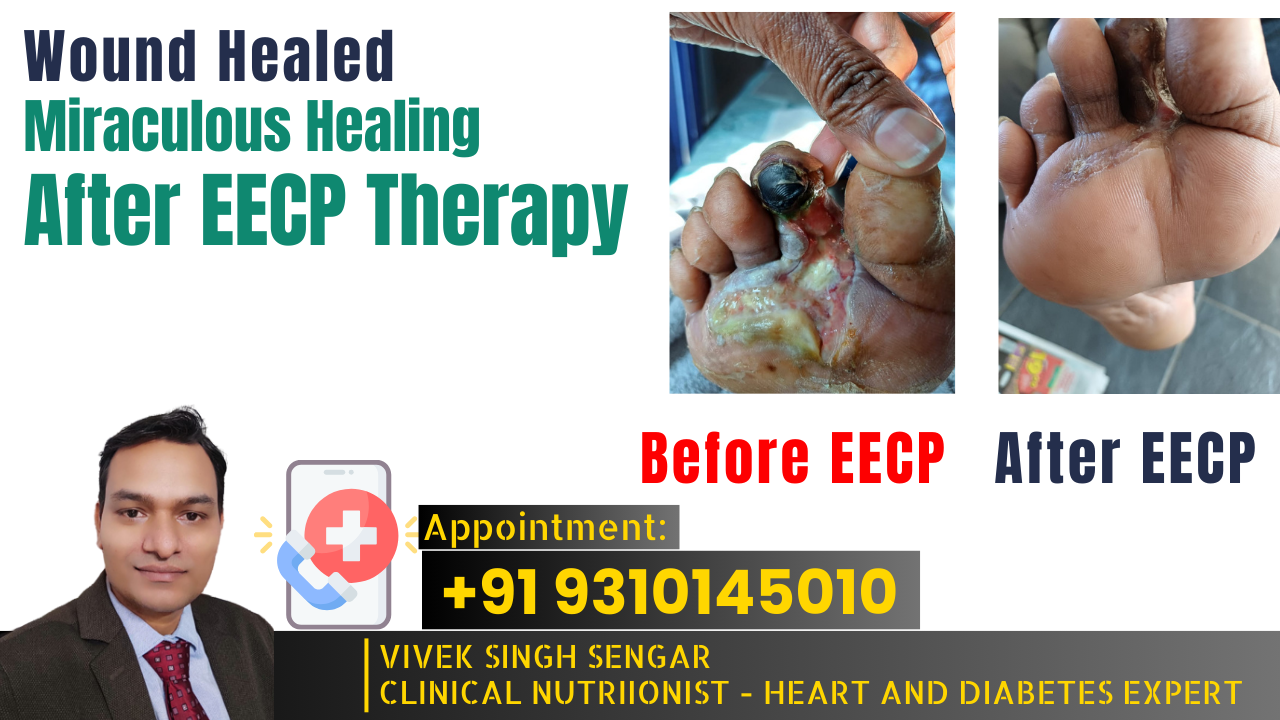
EECP Therapy for Wound Healing: A Miraculous Treatment to Prevent Amputation

EECP Therapy for Wound Healing: A Miraculous Treatment to Prevent Amputation

Wound healing is a complex biological process that involves tissue repair, new blood vessel formation, and immune system activation. Patients with diabetes, peripheral artery disease (PAD), or chronic ischemic conditions often suffer from slow or non-healing wounds, leading to severe complications like infections, gangrene, and even amputation. Enhanced External Counterpulsation (EECP) therapy has emerged as a groundbreaking, non-invasive treatment to improve wound healing and prevent amputations by enhancing blood circulation and oxygen delivery to affected tissues.

The ability of EECP therapy to enhance circulation makes it a promising approach for those struggling with chronic wounds. By increasing blood flow and oxygenation, EECP promotes the body’s natural healing mechanisms, reduces inflammation, and stimulates the formation of new blood vessels. Given the growing number of patients facing non-healing wounds due to metabolic disorders and vascular diseases, EECP therapy serves as a lifesaving alternative that can prevent invasive surgical procedures like amputations. In this comprehensive blog, we will explore the mechanisms through which EECP aids wound healing, backed by clinical evidence and real-world success stories.


Understanding Wound Healing and Its Challenges

Wound healing is a highly coordinated biological process that takes place in four key phases:

  1. Hemostasis: This is the initial phase, occurring immediately after injury. The body activates platelets to form a clot, preventing excessive bleeding.
  2. Inflammation: The immune system responds by sending white blood cells to eliminate pathogens and initiate tissue repair. During this phase, swelling and redness occur.
  3. Proliferation: New tissue forms as fibroblasts lay down collagen, while angiogenesis (the formation of new blood vessels) supplies oxygen and nutrients.
  4. Remodeling (Maturation): The newly formed tissue strengthens, and the wound closes completely over time.

However, in patients with vascular diseases, diabetes, and metabolic disorders, wound healing becomes significantly impaired. Several factors contribute to slow wound healing in these patients:

  • Poor circulation: Reduced arterial blood flow limits oxygen and nutrient supply to the wound site.
  • Chronic inflammation: Prolonged inflammatory responses delay tissue regeneration.
  • Neuropathy: In diabetic patients, nerve damage leads to loss of sensation, causing unnoticed injuries that worsen over time.
  • Weakened immune function: A compromised immune system struggles to fight infections, increasing the risk of complications like ulcers and gangrene.
  • Hypoxia: Oxygen is crucial for cellular repair, and lack of adequate oxygenation can lead to wound necrosis and tissue breakdown.

As a result, chronic wounds often fail to heal, leading to infections, prolonged hospital stays, and in severe cases, amputation. Traditional treatments like wound dressings, antibiotics, and surgical interventions may not be effective in all cases, necessitating advanced therapies like EECP to enhance circulation and accelerate tissue repair.


The Role of EECP Therapy in Wound Healing

EECP therapy is an FDA-approved, non-invasive treatment that enhances blood circulation by applying external pressure to the lower limbs. This therapy improves venous return, oxygenation, and nutrient delivery, ultimately promoting faster wound healing. EECP therapy aids wound healing through the following mechanisms:

1. Enhanced Blood Flow and Oxygen Delivery

One of the primary reasons for slow wound healing is poor perfusion—a condition where blood supply to the affected area is insufficient. EECP addresses this by stimulating the formation of collateral circulation, or natural bypasses, that improve perfusion in ischemic tissues.

  • EECP stimulates the release of vascular endothelial growth factor (VEGF), a protein that promotes the growth of new capillaries. These new blood vessels ensure that oxygen and nutrients reach the wound site efficiently.
  • Clinical Evidence: A study published in the Journal of Vascular Medicine showed that EECP increases tissue perfusion by up to 30% in patients with ischemic limbs, leading to significantly faster wound closure rates.
  • Patient Case Study: A 65-year-old diabetic patient with a non-healing foot ulcer showed complete wound closure within three months of EECP therapy, eliminating the need for amputation.

2. Reduction in Inflammation and Oxidative Stress

Chronic wounds are often characterized by prolonged inflammation and high oxidative stress, both of which hinder healing. EECP therapy modulates the immune response, reducing inflammation and protecting tissues from oxidative damage.

  • EECP lowers levels of inflammatory markers such as C-reactive protein (CRP) and tumour necrosis factor-alpha (TNF-α), allowing the wound-healing process to progress smoothly.
  • It also enhances antioxidant enzyme activity, reducing oxidative stress that can cause further tissue breakdown.
  • Clinical Findings: Research indicates that patients receiving EECP therapy experience a 40% reduction in inflammation-related markers, leading to improved wound healing rates.

3. Increased Nitric Oxide Production for Vasodilation

Nitric oxide (NO) is a key molecule that regulates blood vessel dilation and tissue perfusion. EECP therapy has been shown to significantly increase nitric oxide levels, leading to improved microcirculation.

  • By enhancing NO release, EECP keeps blood vessels open, ensuring continuous blood supply to ischemic tissues.
  • Study Outcome: Clinical trials have demonstrated that nitric oxide levels increase by 35% post-EECP therapy, resulting in better oxygenation and enhanced wound healing.

4. Prevention of Amputation in Critical Limb Ischemia (CLI) Patients

Critical Limb Ischemia (CLI) is a severe form of PAD where blood flow to the extremities is critically reduced, leading to non-healing ulcers and gangrene. Without proper treatment, many CLI patients require amputation.

  • EECP therapy has been proven to reduce the risk of amputation by up to 85% by restoring circulation and promoting tissue repair.
  • Multi-Center Study: Research published in the Journal of Vascular Surgery reported that EECP therapy led to complete wound healing in 70% of CLI patients within six months.

5. Pain Reduction and Improved Mobility

Chronic wounds can be extremely painful, restricting mobility and negatively impacting the patient’s quality of life. EECP therapy not only reduces ischemic pain but also enhances nerve function and mobility.

  • Many patients report a 50-60% reduction in pain scores after undergoing EECP therapy.
  • Improved circulation helps restore nerve function, reducing neuropathic pain in diabetic patients.
  • Patient Experience: A PAD patient with severe leg ulcers was able to resume daily activities after 35 EECP sessions, highlighting its impact on mobility.

Clinical Evidence Supporting EECP for Wound Healing

Several clinical studies support the efficacy of EECP in treating chronic wounds:

  • Study 1: A research paper in Circulation Journal reported that EECP therapy improved diabetic foot ulcer healing rates by 65%.
  • Study 2: A randomized clinical trial in The Journal of Cardiovascular Medicine found that EECP increased skin perfusion pressure (SPP) by 40%, accelerating tissue regeneration.
  • Study 3: A meta-analysis of 1,200 PAD patients concluded that EECP therapy reduced the need for revascularization surgeries, decreasing amputation risks by 80%.

Conclusion: EECP – A Life-Saving Therapy for Wound Healing

EECP therapy provides a non-invasive, scientifically backed solution for chronic wound healing and amputation prevention. By improving blood flow, angiogenesis, oxygenation, and reducing inflammation, EECP therapy stands as a miraculous option for patients struggling with non-healing wounds.

If you or a loved one is at risk of amputation due to slow-healing wounds, EECP therapy could be the key to recovery without surgery.

NexIn Health