Heat Stroke Symptoms and Treatment: What Every Patient Must Know
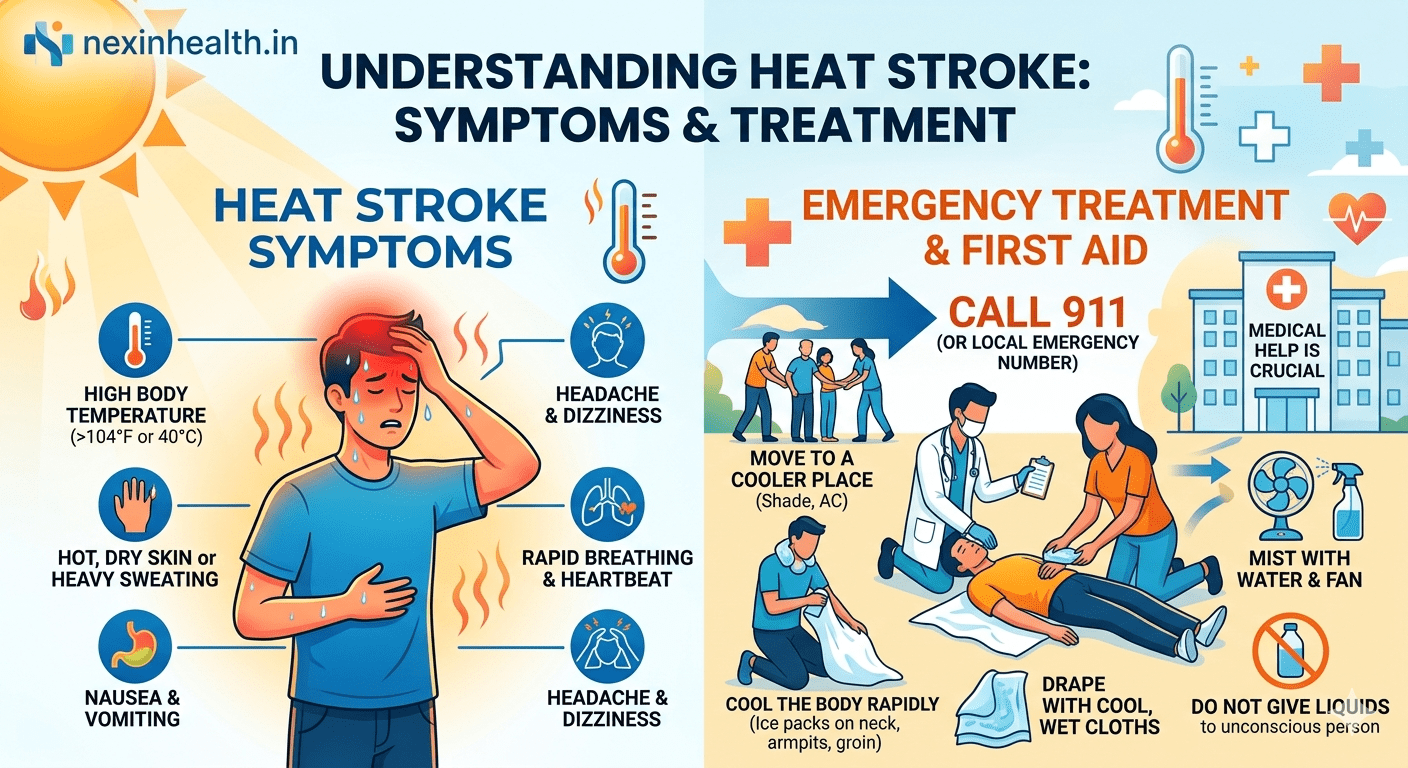


Heat stroke symptoms and treatment are topics that every person — especially heart patients, diabetics, and those with metabolic disorders — must understand before summer arrives. Heat stroke is not just feeling too hot. It is a serious medical emergency that can damage your heart, brain, and kidneys within minutes.
Every year, thousands of people across India are rushed to hospitals during summer heatwaves. Many of them had warning signs they did not recognise in time. For patients already managing heart disease or diabetes, a heat stroke can be life-threatening much faster than it would be for a healthy person.
This guide explains everything in simple, easy-to-understand language — what causes heat stroke, how to spot the warning signs early, what to do in an emergency, and how to protect yourself every day during hot weather.
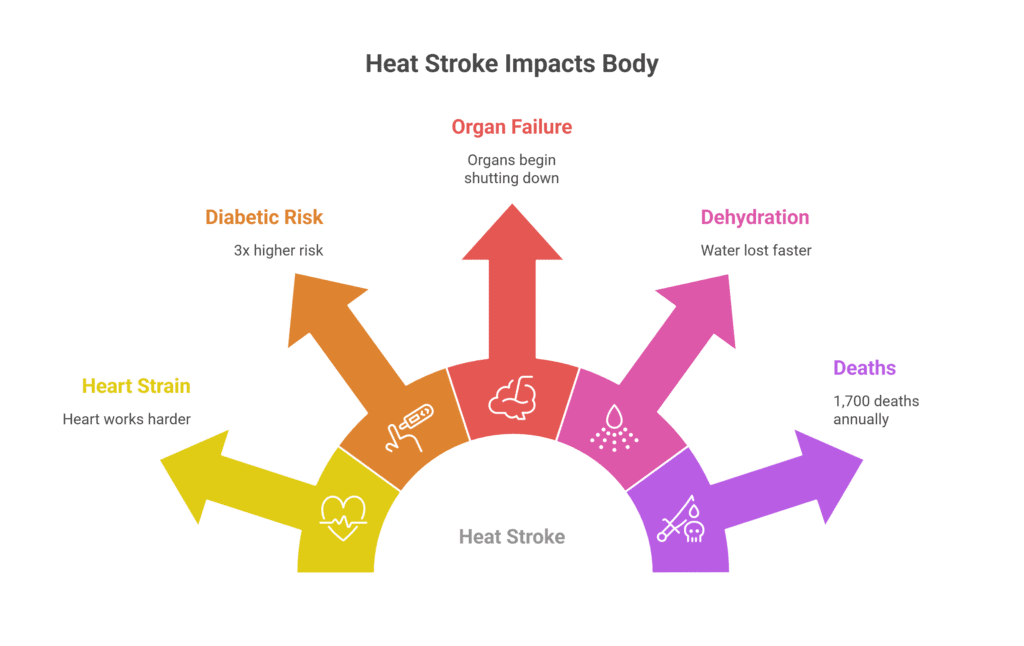
Simple Definition: Heat stroke is a condition where your body’s temperature goes above 40°C (104°F) and your body’s natural cooling system stops working. It is different from simply feeling hot or tired. It is a medical emergency that needs immediate treatment.
Your body normally keeps itself cool through sweating. But when the outside temperature is too high, or when you are very dehydrated, your body loses this ability. Your internal temperature then rises dangerously fast, and your organs — including your heart and brain — begin to suffer.
There are two types of heat stroke:
Many people confuse heat exhaustion with heat stroke. Understanding the difference could save a life. Heat exhaustion is a warning — heat stroke is the emergency that follows if the warning is ignored.
| Feature | Heat Exhaustion | Heat Stroke |
| Body Temperature | Below 40°C | Above 40°C |
| Sweating | Heavy sweating present | Skin dry and hot (no sweat) |
| Consciousness | Alert or mildly confused | Confused, may faint or seizure |
| Severity | Serious – needs rest & fluids | Life-threatening – call 911 NOW |
| First Aid | Cool area, fluids, rest | Cold immersion, hospital immediately |
| Heart Patient Risk | High – monitor carefully | Extreme – may trigger cardiac event |
Important for Heart Patients: Even heat exhaustion can put dangerous strain on your heart. If you are a cardiac patient and you feel dizzy, weak, or extremely tired in the heat — treat it as an emergency and seek help immediately. Do not wait to see if it gets worse.
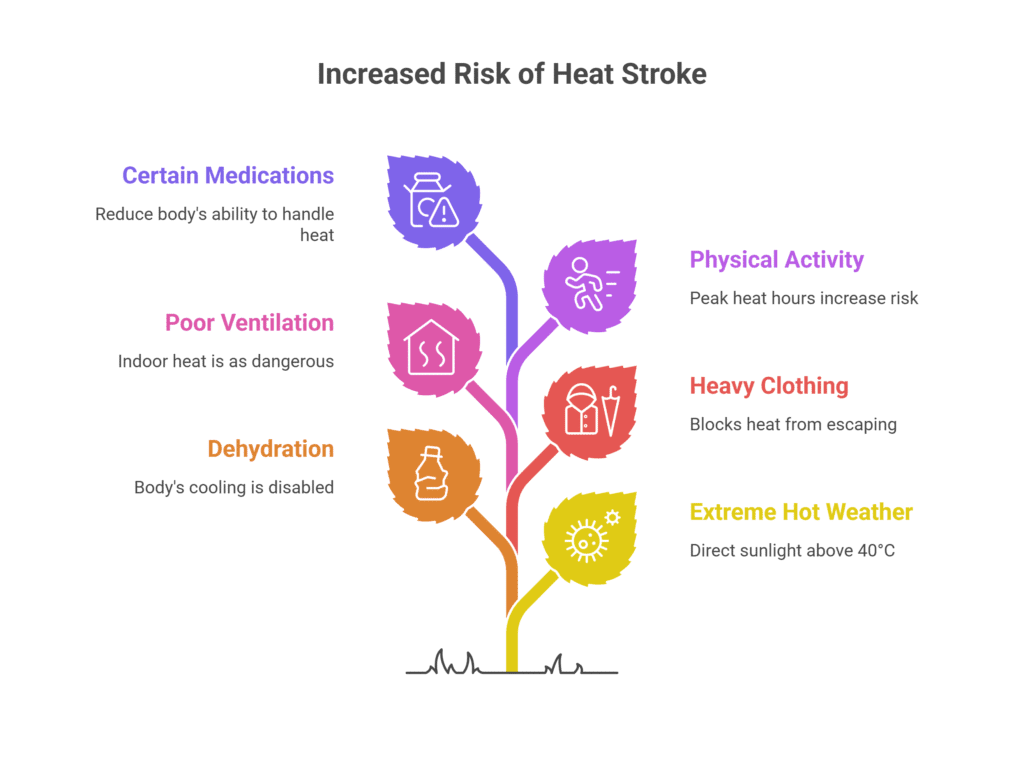
Special Note for Heart Patients: A rapidly beating heart in extreme heat can trigger heart arrhythmia (irregular heartbeat), angina (chest pain), or even a heart attack. If a heart patient shows confusion, chest pain, or fainting during a hot weather episode — call for emergency help immediately.
Remember: Every minute counts. Cooling the body during heat stroke within the first 30 minutes dramatically improves survival and reduces organ damage.
For Heart Patients Specifically: Do not use ice baths if the person has a known severe heart condition — the sudden cold shock can trigger cardiac arrest. Use cool (not ice-cold) water and cold packs instead. Always inform doctors about the patient’s heart condition immediately.
| Treatment Option | Method | Best For | Speed of Action | Special Note |
| Cold Water Immersion | Immerse body in cold water | Severe heat stroke | Fastest – within minutes | Gold standard emergency care |
| Ice Packs / Cooling Blankets | Apply to neck, armpits, groin | All severity levels | Fast – 10–15 mins | Safe for heart patients |
| IV Fluid Therapy | Intravenous fluids in hospital | Severe dehydration | Medium – 30–60 mins | Essential for diabetic patients |
| ORS / Oral Rehydration | Drink ORS / coconut water | Heat exhaustion (mild) | Slow – 30–60 mins | Only if fully conscious |
| EECP Therapy | External counterpulsation device | Heart patients – recovery | Gradual – over sessions | Improves cardiac circulation |
| Ayurvedic / Herbal Remedies | Herbs, cooling drinks | Mild heat exhaustion, prevention | Slow – supportive only | Complementary, not emergency |
| Hospital ICU Care | Monitoring, medication, cooling | Severe / Organ failure cases | Immediate | Mandatory for heart patients |
While natural remedies are not a replacement for emergency medical care, they can support recovery from mild heat exhaustion and help prevent heat-related illnesses in hot weather. These traditional solutions have been used safely for generations.
Important Reminder: All natural, Ayurvedic, and homeopathic remedies are supportive measures only. For any heat stroke emergency — especially in heart patients, diabetics, or elderly people — seek hospital medical care immediately. Always consult your doctor before starting any herbal treatment if you are on heart or diabetes medications.
In extreme heat, your blood vessels widen to help the body cool down. This makes your heart work harder to pump blood through a larger network. For people with existing heart disease, this extra load can trigger chest pain, irregular heartbeat, or in severe cases, a heart attack.
Research published in the European Heart Journal found that every 1°C rise in temperature above 29°C is linked to a measurable increase in cardiac event risk. Heat-related illnesses for heart patients are therefore not just uncomfortable — they are medically dangerous.
High temperatures affect both insulin absorption and blood glucose levels. Heat causes insulin to be absorbed faster from injection sites — leading to unexpected hypoglycemia (low blood sugar). Meanwhile, sweating from heat causes rapid fluid and electrolyte loss that can spike blood glucose dangerously in poorly controlled diabetics.
Heat also damages insulin storage — insulin exposed to temperatures above 30°C loses its effectiveness. Diabetic patients must always store insulin in a cool place during summer.
NexIn Health — Your Trusted Partner for Heart, Spine & Metabolic Care
NexIn Health is a specialist centre for Heart Disease, Spine Care, Diabetes, and Metabolic Disorders using non-invasive integrated techniques. With 14+ years of experience and over 30,000 patients successfully treated, NexIn Health offers expert guidance for managing heat-related health risks, cardiac complications, and metabolic vulnerabilities — without surgery or invasive procedures.
If you or a loved one is a heart patient or diabetic — do not wait for a heat emergency. Get a preventive consultation today.
Read More:
Best Food to Eat in Summers
Que: Is heat stroke more dangerous for heart patients than for healthy people?
Ans: Yes, significantly more dangerous. Heat stroke forces the heart to work 2–3 times harder. For someone with existing heart disease, this extra strain can trigger a heart attack, arrhythmia, or cardiac arrest. Heart patients should treat any heat emergency as a cardiac emergency too.
Que: What are the first heat stroke symptoms and treatment steps I should follow?
Ans: First symptoms include sudden stop of sweating, high body temperature, confusion, and rapid heartbeat. Immediately move to a cool area, apply cold packs to neck and armpits, call emergency services, and inform them of any heart condition. Do not give medications unless prescribed by your doctor.
Que: Can my heart medications increase my risk of heat stroke?
Ans: Yes. Beta-blockers, diuretics (water tablets), and some blood pressure medications reduce your body’s ability to sweat and regulate temperature. Ask your cardiologist before summer if you need to adjust your medication timing or dosage during extreme heat.
Que: What is the difference between sunstroke symptoms and heat stroke symptoms?
Ans: Sunstroke and heat stroke are the same condition. Sunstroke specifically refers to heat stroke caused by direct sun exposure. Both show the same high body temperature warning signs — dry hot skin, confusion, rapid pulse, and possible unconsciousness. Treatment is identical: immediate cooling and emergency medical help.
Que: Can a diabetic patient drink ORS (oral rehydration solution) during heat stroke?
Ans: Standard ORS contains sugar which may affect blood glucose. Coconut water is a safer natural rehydration option for diabetics in mild heat exhaustion. For severe heat stroke, the patient needs intravenous fluids in a hospital — oral fluids should only be given if the person is fully conscious and can swallow safely.
Que: How quickly can heat stroke cause permanent damage?
Ans: Without treatment, heat stroke can cause irreversible brain, kidney, and heart damage within 30 minutes of body temperature exceeding 40°C. Death can occur within 10–15 minutes in extreme cases. This is why emergency first aid for heat stroke and immediate hospital care are absolutely critical.
Que: Is EECP therapy safe for heart patients who have experienced heat stroke?
Ans: Yes, EECP therapy is a non-invasive, safe treatment that improves cardiac blood circulation. It is particularly beneficial during the recovery phase after a heat stroke has placed extra strain on the heart. Your cardiologist at NexIn Health will assess your condition and recommend EECP as part of your recovery plan if appropriate.
Que: How is heat exhaustion vs heat stroke managed differently in heart patients?
Ans: Heat exhaustion in a heart patient requires immediate rest in a cool environment, careful rehydration, and cardiac monitoring. Heat stroke in a heart patient requires emergency hospitalisation, rapid cooling, IV fluids, and continuous cardiac monitoring. Do not attempt to manage a cardiac patient’s heat stroke at home — go directly to hospital.
Que: Can cooling the body during heat stroke be done with ice water for heart patients?
Ans: For heart patients, full ice water immersion carries a risk of cold shock triggering a cardiac response. Safer alternatives include cool water sponging, cool wet cloths on the neck and armpits, and a cool room with fans. Always inform emergency responders about the patient’s heart condition so they can choose the appropriate cooling method.
Que: What natural remedies help prevent heat-related illnesses for heart patients?
Ans: Coconut water replenishes electrolytes gently. Chilled hibiscus tea supports blood pressure. Vetiver water provides internal cooling. Avoid very cold drinks as they can cause sudden blood vessel constriction in heart patients. Always check with your cardiologist before using herbal or Ayurvedic remedies if you are on heart medications.
Heat stroke symptoms and treatment knowledge can genuinely save lives — especially for the millions of Indians managing heart disease, diabetes, and metabolic conditions. The summer heat is not just uncomfortable for these patients. It is a real, measurable health risk that demands preparation and awareness.
The key messages are simple: drink water regularly, avoid peak heat hours, know the warning signs of heat stroke, act fast in any emergency, and always consider how hot weather health risks interact with your existing medical condition.
If you are a heart patient or diabetic, do not manage summer health risks alone. Work with a specialist team that understands the intersection of heat, heart health, and metabolic conditions. NexIn Health’s team is here to support you — from preventive guidance to advanced non-invasive treatments like EECP therapy.


Experience

Certified Therapists

Satisfied Patients
Contact us