How Seasonal Changes Affect Blood Pressure: Causes, Risks and Prevention Tips Throughout the Year
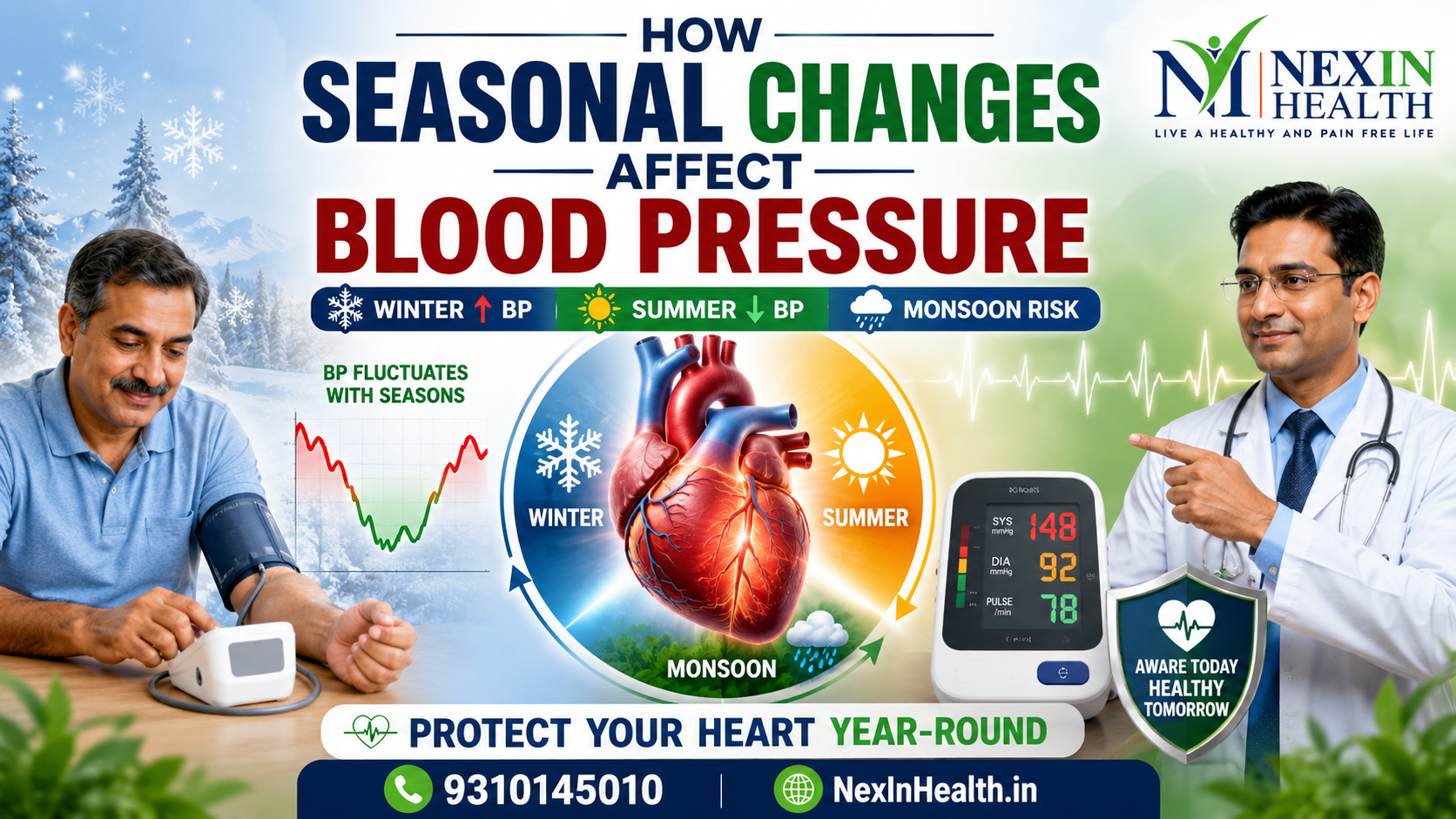



Have you ever noticed that your blood pressure readings seem different in winter compared to summer? Many people assume that blood pressure only changes because of stress, age, or unhealthy habits. However, research shows that weather and seasonal changes can significantly influence blood pressure levels, even in otherwise healthy individuals.
Understanding How Seasonal Changes Affect Blood Pressure is especially important for people living with hypertension, diabetes, heart disease, obesity, kidney disease, and metabolic disorders. Seasonal fluctuations in temperature, humidity, physical activity, hydration, sunlight exposure, and infection rates can all affect how hard the heart works and how efficiently blood circulates through the body.
Several clinical studies have shown that blood pressure tends to be higher during colder months and lower during warmer months. Seasonal transitions can also create unexpected fluctuations that increase the risk of cardiovascular complications in vulnerable individuals.
The good news is that awareness allows prevention. By understanding the relationship between weather and cardiovascular health, patients can take simple but effective steps to stay healthier throughout the year.
Blood pressure can rise by 5–10 mmHg or more during winter compared to summer.
Research from North India found systolic blood pressure increased by approximately 9 mmHg and diastolic pressure by about 5.6 mmHg during winter compared with summer.
Hypertension prevalence in one seasonal study increased from approximately 10% in summer to nearly 24% in winter.
Even a sudden drop in outdoor temperature can trigger measurable increases in blood pressure.
Older adults, diabetics, and heart patients are more vulnerable to seasonal blood pressure variation.
High humidity during monsoon may increase cardiovascular strain despite cooler temperatures.
Many people experience dangerous seasonal blood pressure changes without obvious symptoms.
Yes, seasonal changes can significantly affect blood pressure.
In general, blood pressure tends to increase during colder weather because blood vessels become narrower, forcing the heart to work harder to circulate blood. During warmer weather, blood vessels relax and widen, which often lowers blood pressure.
However, temperature is only one part of the story.
Humidity, infections, hydration levels, physical activity, sunlight exposure, stress, sleep quality, and dietary habits all contribute to seasonal blood pressure fluctuations. For people with existing cardiovascular conditions, these changes can become medically significant.
This is why doctors often recommend more frequent monitoring during major seasonal transitions.
To understand How Seasonal Changes Affect Blood Pressure, it helps to think of the cardiovascular system as a dynamic network that constantly adapts to the environment.
The heart is responsible for maintaining blood flow, oxygen delivery, and body temperature regulation. Whenever weather conditions change, the body must adjust to maintain balance.
During winter, the body tries to conserve heat. Blood vessels near the skin become narrower to reduce heat loss. This process is called vasoconstriction.
While this response helps keep the body warm, it also increases resistance inside the circulatory system. As resistance increases, the heart must generate more pressure to move blood throughout the body.
The opposite occurs during warmer weather.
To release excess heat, blood vessels widen through a process known as vasodilation. This allows blood to flow more easily and often contributes to lower blood pressure readings.
Seasonal changes also influence lifestyle patterns.
People often exercise less during winter, consume more salty foods, gain weight, spend more time indoors, and receive less sunlight exposure. Each of these factors can independently affect cardiovascular health.
Because multiple factors occur simultaneously, seasonal blood pressure changes are often larger than many people expect.
The Relationship Between Blood Pressure and Body Temperature is one of the most important concepts in seasonal cardiovascular health.
Body temperature regulation depends heavily on blood circulation.
When temperatures fall, the body prioritizes heat conservation. Blood vessels constrict to reduce heat loss through the skin. This narrowing increases vascular resistance, causing blood pressure to rise.
When temperatures increase, the body needs to release heat efficiently. Blood vessels widen, allowing more blood to flow near the skin surface. This process often lowers blood pressure.
The Relationship Between Blood Pressure and Body Temperature becomes even more important for people with:
These individuals may already have reduced blood vessel flexibility, making seasonal adaptation more difficult.
Researchers have repeatedly observed that blood pressure measurements tend to rise as temperatures fall and decrease as temperatures rise.
This relationship explains why many patients notice higher readings during winter and lower readings during summer.
One of the most overlooked cardiovascular concerns is blood pressure fluctuations during seasonal changes.
Many people expect blood pressure to remain relatively stable throughout the year. In reality, fluctuations are common and sometimes substantial.
These changes occur because multiple physiological systems are responding simultaneously.
Factors contributing to blood pressure fluctuations during seasonal changes include:
For example, a person may experience elevated blood pressure during winter because of colder temperatures, reduced physical activity, increased salt intake, and holiday-related stress.
During summer, the same person may experience lower readings because of vasodilation, increased sweating, and greater outdoor activity.
These seasonal patterns often explain why patients occasionally see unexpected changes despite taking their medications consistently.
The connection between cold weather and blood pressure increase is one of the most thoroughly studied seasonal cardiovascular effects.
When temperatures fall, the nervous system activates protective mechanisms designed to conserve body heat.
One of the first responses is vasoconstriction.
Blood vessels narrow to reduce heat loss. As arteries become narrower, resistance to blood flow increases.
This creates a chain reaction:
Cold Weather
↓
Blood Vessel Narrowing
↓
Increased Resistance
↓
Higher Blood Pressure
↓
Greater Workload on the Heart
This explains why cold weather and blood pressure increase are closely linked.
Cold exposure also stimulates the release of stress hormones such as adrenaline and noradrenaline. These hormones increase heart rate and further raise blood pressure.
For healthy individuals, these changes are usually manageable.
For people with hypertension, diabetes, coronary artery disease, or heart failure, however, the added cardiovascular strain may increase the risk of:
This is one reason cardiovascular events tend to occur more frequently during colder months.
Understanding this mechanism allows patients to take preventive action before complications develop.
Many patients notice that their blood pressure readings rise as temperatures begin to fall. This is not simply a coincidence. Research consistently shows that winter is one of the most challenging seasons for blood pressure control, especially among older adults, diabetics, and individuals with existing heart disease.
Understanding How to Control High Blood Pressure in Winter begins with understanding why blood pressure rises during colder months.
When exposed to cold temperatures, blood vessels narrow in an effort to conserve body heat. This narrowing increases resistance within the circulatory system, forcing the heart to pump harder. The result is often a noticeable increase in blood pressure.
Winter also changes daily habits.
People tend to:
Each of these factors can contribute to higher blood pressure levels.
To better understand How to Control High Blood Pressure in Winter, consider the following strategies:
Even mild cold exposure can trigger blood vessel constriction. Wearing warm clothing, especially during early morning hours, may help reduce cardiovascular strain.
Indoor walking, yoga, stretching, and home exercise programs help maintain circulation and reduce seasonal blood pressure increases.
Many winter foods contain excessive sodium. High salt intake contributes to fluid retention and increased blood pressure.
Winter is one of the most important times for regular home monitoring. Daily tracking helps identify trends before complications develop.
Skipping blood pressure medication during winter can rapidly destabilize blood pressure control.
Patients who consistently apply these strategies often achieve much better seasonal blood pressure management.
Many patients ask whether there is a different definition of normal blood pressure in winter.
The answer is no.
The target blood pressure recommended by healthcare professionals generally remains the same throughout the year.
However, it is common for blood pressure readings to rise during colder months.
Several studies have documented seasonal increases in both systolic and diastolic blood pressure.
This creates an important distinction:
A slight seasonal rise may be common.
But it should not be considered acceptable if readings consistently exceed healthy ranges.
For example:
This is why understanding your personal baseline becomes important.
When evaluating normal blood pressure in winter, doctors often focus on:
Regular monitoring provides the clearest picture of how seasonal changes affect individual patients.
While winter often causes blood pressure increases, summer presents a completely different challenge.
Understanding How to Control High Blood Pressure in Summer is equally important because excessive heat can affect circulation, hydration, and medication response.
Warm weather causes blood vessels to widen through vasodilation. This generally lowers blood pressure and improves blood flow.
However, summer also increases:
For some individuals, especially older adults and patients taking blood pressure medication, this may cause blood pressure to drop too low.
To understand How to Control High Blood Pressure in Summer, patients should focus on maintaining stability.
Dehydration can create dangerous blood pressure fluctuations.
Drink adequate water throughout the day, even when thirst is minimal.
Extreme heat places additional strain on the cardiovascular system.
Watch for:
These symptoms may indicate excessive blood pressure reduction.
Some patients may require seasonal medication adjustments under medical supervision.
Proper hydration and regular monitoring remain the foundation of summer blood pressure management.
A common question patients ask is: Does Being Warm Lower Blood Pressure?
In many situations, yes.
Warm temperatures encourage blood vessels to widen. Wider blood vessels reduce resistance to blood flow, allowing circulation to occur more easily.
This process often contributes to lower blood pressure readings during warmer months.
However, the answer is not always straightforward.
When evaluating does being warm lower blood pressure, several additional factors must be considered:
For example, mild warmth may support healthy circulation.
Extreme heat, however, can create dehydration and cardiovascular stress.
This is why maintaining a balance between temperature regulation and hydration is essential.
The goal is not simply staying warm but maintaining stable cardiovascular function throughout changing weather conditions.
Many people associate blood pressure changes only with winter and summer.
However, monsoon humidity and blood pressure also have an important relationship.
Monsoon conditions create unique cardiovascular challenges.
Unlike dry heat, humid weather prevents sweat from evaporating efficiently. This makes it harder for the body to regulate temperature.
As a result:
The impact of monsoon humidity and blood pressure becomes especially important for:
Humidity can also contribute to dehydration because people often underestimate fluid loss during cooler rainy weather.
Additionally, monsoon season often brings:
These factors further influence blood pressure control.
Another common seasonal question is: Can cough and cold increase blood pressure?
The answer is yes, under certain circumstances.
When the body fights infection, several physiological changes occur.
These include:
Each of these factors can influence blood pressure.
Many patients also take over-the-counter cold medications that contain ingredients capable of raising blood pressure.
This is why can cough and cold increase blood pressure is an important consideration for people already living with hypertension.
The risk becomes greater when:
Patients with cardiovascular disease should pay particular attention to blood pressure during respiratory infections.
Research consistently supports the idea that seasonal variation is real.
Several studies have observed measurable increases in blood pressure during colder weather.
A large North India study found:
Other international studies have reported similar findings.
Researchers believe this occurs because seasonal influences affect:
This growing body of evidence confirms that blood pressure should not be viewed as completely static throughout the year.
Understanding seasonal patterns allows earlier intervention and better prevention.
| Approach | How It Helps | Best For | Cost Level |
|---|---|---|---|
| Lifestyle Modification | Improves overall cardiovascular health | All patients | Low |
| DASH Diet | Reduces sodium-related BP increases | Hypertension patients | Low |
| Regular Exercise | Improves circulation and vessel health | Most adults | Low |
| Medication Management | Controls persistent hypertension | Moderate to severe cases | Moderate |
| BP Monitoring | Detects seasonal fluctuations early | All patients | Low |
| Stress Management | Reduces stress-related BP spikes | All age groups | Low |
| EECP Therapy | Improves circulation in selected heart patients | CAD and angina patients | Moderate |
The best results usually come from combining multiple strategies rather than relying on a single intervention.
At first glance, high blood pressure low body temperature may seem like two unrelated health concerns. However, both are influenced by how the body responds to environmental stress and regulates circulation.
When temperatures drop, the body activates protective mechanisms to conserve heat. Blood vessels constrict, circulation becomes more centralized, and blood pressure may rise. This explains why many people experience higher blood pressure during colder months.
In some situations, people may have a lower body temperature while simultaneously experiencing elevated blood pressure because the body is prioritizing heat preservation.
For older adults, diabetics, and heart patients, these physiological changes may be more pronounced because blood vessels are less flexible and circulation may already be compromised.
The relationship between high blood pressure low body temperature highlights an important lesson: cardiovascular health is closely connected to the body’s temperature regulation system.
Although seasonal blood pressure fluctuations can affect anyone, some groups are far more vulnerable than others.
As people age, blood vessels naturally become stiffer and less adaptable. This makes seasonal adjustments more difficult and increases the likelihood of blood pressure instability.
Individuals already diagnosed with high blood pressure often experience larger seasonal changes compared to people with normal blood pressure.
Diabetes damages blood vessels and nerves involved in blood pressure regulation. This makes diabetic patients especially sensitive to weather-related cardiovascular stress.
Patients with coronary artery disease, angina, heart failure, or previous heart attacks may experience worsening symptoms during seasonal transitions.
Obesity, insulin resistance, abnormal cholesterol levels, and hypertension often occur together and increase vulnerability to seasonal blood pressure changes.
The kidneys play a major role in blood pressure regulation. Seasonal stress can make blood pressure management more challenging in this group.
For all these individuals, awareness and regular monitoring become even more important.
Nutrition plays a major role in How Seasonal Changes Affect Blood Pressure.
One dietary approach that consistently receives strong support from cardiologists and hypertension specialists is the DASH Diet.
DASH stands for:
Dietary Approaches to Stop Hypertension
The DASH Diet focuses on foods naturally rich in:
It encourages:
And limits:
Research suggests that following the DASH Diet may reduce blood pressure by approximately 8–14 mmHg in some individuals.
This makes it one of the most effective non-drug approaches for managing seasonal blood pressure variation.
These foods become especially valuable during seasonal transitions.
For patients with coronary artery disease, angina, or circulation-related cardiovascular issues, improving blood flow remains an important goal.
One option available for selected patients is Enhanced External Counterpulsation (EECP) Therapy.
EECP is a non-invasive treatment designed to improve circulation without surgery.
During treatment, specialized cuffs are placed around the legs. These cuffs inflate and deflate in synchronization with the heartbeat.
This process may help:
Seasonal changes place additional demands on the cardiovascular system.
Cold weather, humidity, infections, and blood pressure fluctuations can increase strain on patients with existing heart disease.
By supporting circulation, EECP may help selected patients maintain better cardiovascular function throughout seasonal transitions.
It is important to understand that EECP is not a replacement for medication, healthy lifestyle habits, or medical supervision. Instead, it may be part of a comprehensive cardiovascular care plan.
Understanding How Seasonal Changes Affect Blood Pressure is only useful if it leads to action.
Fortunately, many seasonal blood pressure problems can be reduced through consistent preventive habits.
Consistency matters far more than seasonal quick fixes.
One of the biggest challenges with blood pressure is that dangerous changes often occur silently.
Many people experience significant increases or decreases without obvious symptoms.
This is why home monitoring plays such a critical role.
Patients should:
Monitoring helps identify patterns before they become emergencies.
For high-risk individuals, this habit can be lifesaving.
NexIn Health is a trusted healthcare center specializing in heart and spine treatment using advanced non-invasive integrated techniques. With 14+ years of clinical experience and consultation support provided to more than 30,000 patients, NexIn Health focuses on evidence-based care, cardiovascular rehabilitation, lifestyle management, EECP Therapy, and personalized treatment plans designed to improve long-term health outcomes without unnecessary invasive procedures.
📞 Phone / WhatsApp: +91 9310145010
🌐 Website: www.nexinhealth.in
📧 Email: care@nexinhealth.in
Read More : NexIn Health | Healing Hearts Naturally with EECP
1. How Seasonal Changes Affect Blood Pressure?
Seasonal changes influence blood vessel function, circulation, hydration, activity levels, and hormone responses, all of which can affect blood pressure.
2. Why is blood pressure higher during winter?
Cold weather causes blood vessels to narrow, increasing resistance and raising blood pressure.
3. How to Control High Blood Pressure in Winter?
Stay warm, remain active, reduce salt intake, monitor blood pressure, and follow medication schedules consistently.
4. How to Control High Blood Pressure in Summer?
Maintain hydration, avoid excessive heat exposure, monitor symptoms, and follow medical advice.
5. What is the Relationship Between Blood Pressure and Body Temperature?
Temperature affects blood vessel diameter. Cold temperatures increase blood pressure, while warmth often lowers it.
6. Are blood pressure fluctuations during seasonal changes normal?
Yes, mild fluctuations are common, but significant changes should be evaluated by a healthcare professional.
7. What is considered normal blood pressure in winter?
Target blood pressure generally remains the same throughout the year, although winter readings may trend higher.
8. Does Being Warm Lower Blood Pressure?
In many cases, warmth promotes blood vessel relaxation, which may contribute to lower blood pressure.
9. Why does cold weather and blood pressure increase occur together?
Cold temperatures trigger blood vessel constriction and increased cardiovascular workload.
10. Can cough and cold increase blood pressure?
Yes. Infections, inflammation, fever, stress hormones, and certain cold medications may raise blood pressure.
11. How does monsoon humidity and blood pressure relate?
Humidity affects circulation, hydration, heart rate, and overall cardiovascular workload.
12. Can diabetes worsen seasonal blood pressure changes?
Yes. Diabetes damages blood vessels and increases vulnerability to seasonal fluctuations.
13. Should I monitor blood pressure more often during seasonal transitions?
Yes. Regular monitoring helps detect potentially dangerous changes early.
14. Can dehydration affect blood pressure?
Yes. Dehydration can cause both low and unstable blood pressure readings.
15. When should I consult a doctor about seasonal blood pressure changes?
Seek medical attention if you experience consistently abnormal readings, dizziness, chest discomfort, severe headaches, or unusual symptoms.
Understanding How Seasonal Changes Affect Blood Pressure can help people take control of their cardiovascular health throughout the year.
Winter cold, summer heat, monsoon humidity, infections, hydration changes, and lifestyle shifts all influence blood pressure in different ways. While some variation is normal, significant fluctuations can become dangerous for people with hypertension, diabetes, heart disease, kidney disease, and metabolic disorders.
The key to prevention is awareness. Regular monitoring, healthy eating, physical activity, proper hydration, medication adherence, and timely medical guidance can dramatically reduce seasonal cardiovascular risk.
The weather may change throughout the year, but with the right habits and support, your heart health can remain stable.


Experience

Certified Therapists

Satisfied Patients
Contact us