Lifestyle Changes to Reduce Heart Attack Risk: Daily Habits That Protect Your Heart
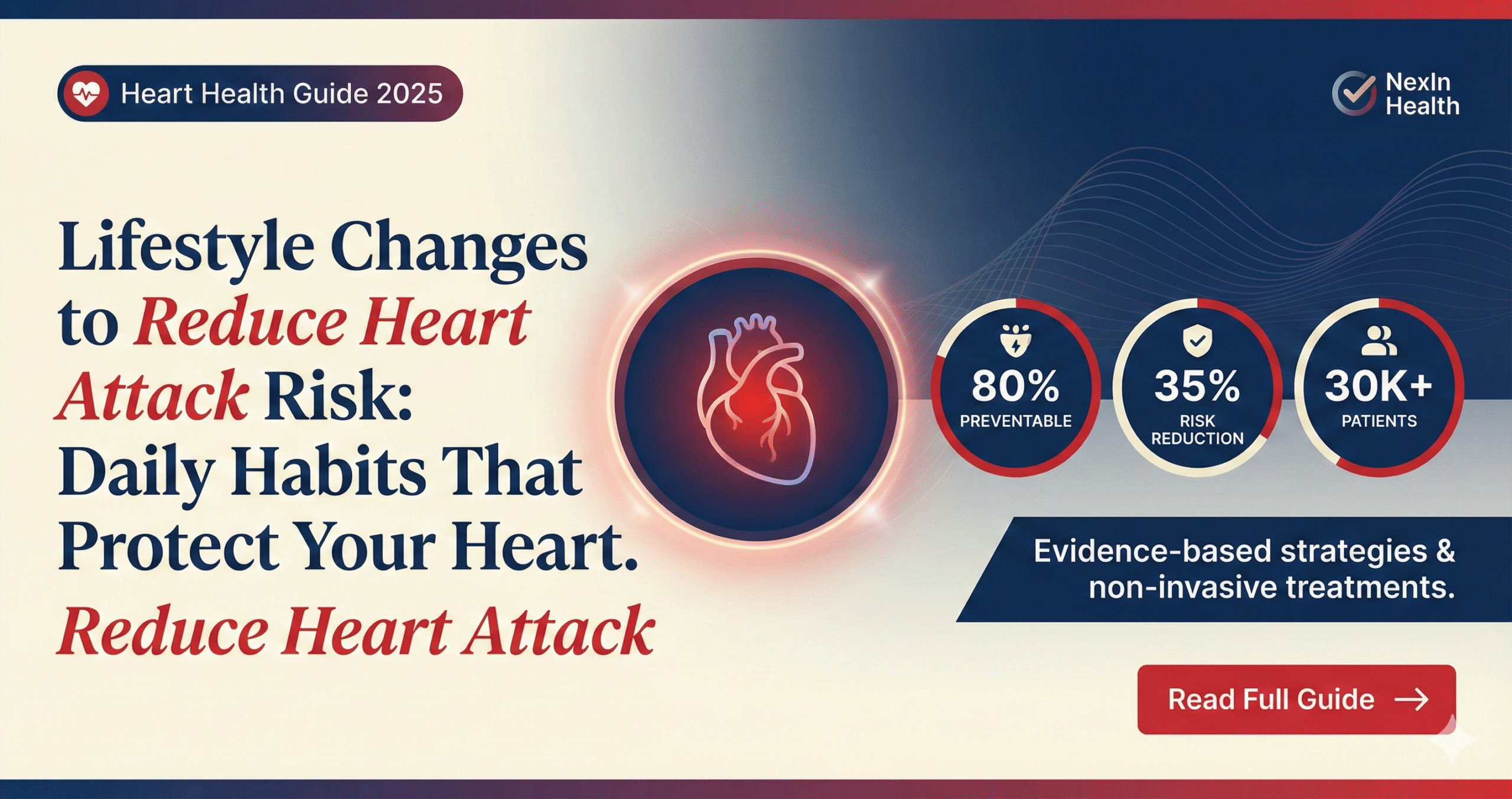
Lifestyle Changes to Reduce Heart Attack Risk: Daily Habits That Protect Your Heart

Table of Contents

Executive Summary

Lifestyle Changes to Reduce Heart Attack Risk represent the most powerful intervention available for cardiovascular health. This comprehensive guide provides actionable, evidence-based strategies for heart disease prevention, including exercise protocols, stress management techniques, and comparison of treatment modalities like EECP therapy versus traditional interventions.

Key Takeaways:

  • 80% of heart disease is preventable through lifestyle modification
  • Daily 30-minute walks reduce heart attack risk by 35%
  • Sleep deprivation (<6 hours) increases cardiovascular risk by 48%
  • Non-invasive treatments like EECP offer alternatives to surgical intervention


Understanding Heart Disease: What You Need to Know

Heart disease remains the leading cause of death globally, affecting millions of people annually. However, research demonstrates that lifestyle changes to reduce heart attack risk can prevent up to 80% of cardiovascular events. Your daily habits—not just genetics—determine your heart health trajectory.

Who Should Read This Guide?

This guide is essential for:

  • Individuals with family history of heart disease
  • Diabetic patients managing metabolic disorders
  • People with high blood pressure (hypertension)
  • Anyone seeking heart attack prevention through lifestyle
  • Patients exploring non-invasive heart treatments
  • Those managing obesity and cardiovascular risk

Heart Health Facts: Evidence-Based Insights for 2025

Critical Statistics You Should Know

1. Sedentary Behavior and Cardiovascular Risk

  • Sitting >6 hours daily increases heart disease risk by 64%
  • Sedentary lifestyle risks mirror smoking’s impact on arterial health
  • Solution: Stand every 60 minutes, walk 30 minutes daily

2. Circadian Patterns in Cardiac Events

  • 40% of heart attacks occur between 6 AM – 12 PM
  • Morning cortisol surge increases blood viscosity
  • Prevention: Morning hydration, gentle awakening routine

3. Chronic Stress and Thrombosis

  • Stress management for heart health reduces platelet aggregation
  • Cortisol elevation increases clot formation risk by 300%
  • Evidence shows meditation reduces cardiovascular events by 48%

4. Arterial Plaque Reversal

  • Lifestyle changes to reduce heart attack risk can reverse blockages
  • Studies show 10-20% plaque reduction with strict protocol
  • Requires: Plant-based diet, exercise, stress reduction, EECP therapy

5. Sleep Deprivation Impact

  • <6 hours sleep increases inflammation markers (CRP, IL-6)
  • Sleep and heart health connection: 48% higher cardiovascular risk
  • Optimal: 7-8 hours quality sleep nightly

6. Tobacco’s Immediate Effects

  • Tobacco damage to heart health begins within 20 minutes of smoking
  • Endothelial dysfunction occurs after single cigarette
  • Reversal timeline: 2-5 years post-cessation

Heart Attack Prevention Through Lifestyle: The Complete Framework

The Holistic Approach to Cardiovascular Health

Lifestyle changes to reduce heart attack risk require comprehensive intervention across six pillars:

  1. Smoking Cessation & Toxin Elimination
  2. Physical Activity & Exercise Medicine
  3. Weight Management & Metabolic Health
  4. Sleep Optimization & Circadian Alignment
  5. Stress Reduction & Mental Health
  6. Nutritional Medicine & Dietary Patterns

Your heart beats 100,000+ times daily, pumping 2,000 gallons of blood. This extraordinary organ requires consistent support through daily habits for heart health, not sporadic efforts.

The Metabolic Connection

For patients with metabolic disorders (diabetes, insulin resistance, metabolic syndrome):

  • Hyperglycemia damages endothelial cells lining arteries
  • Insulin resistance and heart risk creates inflammatory cascade
  • Visceral fat produces pro-inflammatory cytokines
  • Solution: Lifestyle intervention reduces cardiovascular risk by 58%

Quit Smoking and Limit Alcohol

Tobacco Cessation: Non-Negotiable for Heart Health

Why quit smoking for heart health immediately?

Tobacco damage to heart health mechanisms:

  • Nicotine triggers vasoconstriction (narrowed arteries)
  • Carbon monoxide reduces oxygen-carrying capacity by 15%
  • Chemicals create endothelial dysfunction within 20 minutes
  • Increases LDL oxidation, accelerating atherosclerosis
  • Secondhand smoke exposure increases risk by 25-30%

Timeline of Benefits After Quitting:

  • 20 minutes: Blood pressure normalizes
  • 24 hours: Heart attack risk begins declining
  • 1 year: Cardiovascular risk reduced by 50%
  • 5 years: Stroke risk equals non-smoker

Alcohol and Heart Attack Risk: The Evidence

Current Research on Alcohol Consumption:

  • Previous “moderate benefit” studies have been challenged
  • 2023 WHO statement: No safe alcohol level for health
  • Alcohol and heart attack risk increases with:
    • Blood pressure elevation
    • Triglyceride increase
    • Atrial fibrillation (arrhythmia) risk
    • Cardiomyopathy with heavy use

Recommendations for heart patients:

  • Complete abstinence preferred
  • Maximum: 1 drink/week if consuming
  • Avoid binge drinking (4+ drinks in 2 hours)

Daily Walking and Physical Activity

Exercise as Medicine for Cardiovascular Health

Daily walking benefits heart health through multiple mechanisms:

  • Strengthens cardiac muscle contractility
  • Improves endothelial function (arterial flexibility)
  • Reduces systemic inflammation (CRP levels)
  • Enhances insulin sensitivity
  • Promotes healthy cholesterol ratios (HDL/LDL)
  • Stimulates nitric oxide production

The Walking Protocol for Heart Patients

Beginner Protocol (Weeks 1-4):

  • Duration: 15-20 minutes daily
  • Intensity: Conversational pace (can talk comfortably)
  • Frequency: 5-7 days per week
  • Progression: Add 5 minutes weekly

Intermediate Protocol (Weeks 5-12):

  • Duration: 30-45 minutes daily
  • Intensity: Moderate (slightly breathless but can speak)
  • Include: 2-3 days with 1-minute brisk intervals
  • Target heart rate: 50-70% maximum (220 – age)

Advanced Maintenance:

  • Duration: 45-60 minutes daily
  • Mix walking with other activities (swimming, cycling)
  • Include resistance training 2x weekly

Combating Sedentary Lifestyle Risks

The sitting epidemic: Modern adults sit 9-10 hours daily, creating significant sedentary lifestyle risks:

Intervention strategies:

  • Set hourly movement alarms
  • Standing desk for 2-4 hours daily
  • Walk during phone calls
  • Park farther from destinations
  • Take stairs instead of elevators
  • Evening walks after dinner (aids digestion, glucose control)

Safe Exercise for Heart Disease Prevention

Exercise categories by cardiac risk:

Low-Risk Patients (No symptoms, normal stress test):

  • Moderate-vigorous activity: 150-300 minutes weekly
  • Activities: Jogging, cycling, swimming, group sports

High-Risk Patients (Prior heart attack, stents, bypass):

  • Supervised cardiac rehabilitation recommended
  • Moderate exercise for heart disease prevention: Walking, gentle cycling
  • Avoid: Heavy weightlifting, competitive sports, extreme temperatures
  • Monitor: Heart rate, symptoms (chest pain, dizziness, excessive fatigue)

Red flags to stop exercise immediately:

  • Chest pain or pressure
  • Severe shortness of breath
  • Irregular heartbeat
  • Dizziness or lightheadedness
  • Nausea

Weight Control for Heart Health

The Weight-Heart Connection

Weight control for heart disease represents a critical intervention point. Excess weight, particularly visceral adiposity (belly fat), creates multiple cardiovascular threats:

Pathophysiology of obesity-related heart disease:

  • Increased cardiac workload (heart pumps harder)
  • Elevated blood pressure (each 10kg = 3mmHg increase)
  • Pro-inflammatory state (adipokines damage arteries)
  • Insulin resistance and heart risk (metabolic syndrome)
  • Sleep apnea (intermittent hypoxia stresses heart)
  • Dyslipidemia (abnormal cholesterol patterns)

Managing Obesity for Heart Health: Evidence-Based Targets

Weight loss benefits:

  • 5% reduction: Significant blood pressure improvement
  • 10% reduction: Major metabolic improvements, reduced diabetes risk
  • 15% reduction: Substantial cardiovascular risk reduction

For patients with metabolic disorders:

  • Weight control for heart disease should target 10-15% reduction over 6 months
  • Focus on visceral fat (waist circumference)
  • Men: Target <94cm (37 inches)
  • Women: Target <80cm (31.5 inches)

Sustainable Weight Management Strategies

Nutritional approach:

  • Mediterranean dietary pattern (proven cardiovascular benefit)
  • Whole food, plant-predominant intake
  • Minimize ultra-processed foods
  • Intermittent fasting (16:8 protocol) shows promise
  • Adequate protein (1.2-1.6g/kg body weight)

Behavioral strategies:

  • Food journaling (increases awareness by 40%)
  • Portion control using smaller plates
  • Mindful eating practices
  • Social support systems
  • Professional guidance (dietitian, health coach)

Medical supervision for:

  • BMI >40 (consider bariatric surgery evaluation)
  • BMI >35 with comorbidities
  • Medications: GLP-1 agonists showing cardiovascular benefit

Sleep and Stress Management

Sleep and Heart Health: The Restoration Connection

Why sleep matters for cardiovascular health:

Poor sleep and heart health creates a vicious cycle:

  • <6 hours sleep → 48% increased cardiovascular risk
  • Sleep debt → Increased cortisol → Elevated blood pressure
  • Disrupted circadian rhythm → Metabolic dysfunction
  • Sleep apnea → Intermittent hypoxia → Arterial damage

Optimal sleep protocol:

  • Duration: 7-8 hours nightly
  • Consistency: Same bedtime/wake time (±30 minutes)
  • Quality: Deep sleep comprises 15-20% of total
  • Environment: Dark, cool (65-68°F), quiet

Sleep hygiene for heart patients:

  • Digital sunset: Screens off 60-90 minutes before bed
  • Avoid: Caffeine after 2 PM, heavy meals 3 hours before sleep
  • Evening routine: Warm bath, reading, gentle stretching
  • Bedroom optimization: Blackout curtains, white noise machine
  • Sleep apnea screening: Consult doctor if loud snoring, daytime fatigue

Stress Management for Heart Health: Breaking the Cortisol Cycle

Cortisol and heart disease connection:

Chronic stress activates the sympathetic nervous system:

  • Cortisol and heart disease link: Sustained elevation damages arteries
  • Increased platelet stickiness → Clot formation risk
  • Vasoconstriction → Elevated blood pressure
  • Inflammatory cascade → Atherosclerosis acceleration

Evidence-based stress reduction techniques:

1. Mindfulness Meditation (20 minutes daily):

  • Reduces blood pressure by 5-10 mmHg
  • Decreases inflammation markers
  • Apps: Headspace, Calm, Insight Timer

2. Deep Breathing Exercises (4-7-8 technique):

  • Inhale 4 counts → Hold 7 counts → Exhale 8 counts
  • Activates parasympathetic nervous system
  • Lowers heart rate and blood pressure acutely

3. Progressive Muscle Relaxation:

  • Systematic tension-release of muscle groups
  • Reduces cortisol by 25-30%
  • Effective for insomnia

4. Nature Exposure (Forest Bathing):

  • 20 minutes in nature reduces cortisol significantly
  • Combines gentle exercise with stress reduction
  • “Green prescription” gaining medical acceptance

5. Social Connection:

  • Strong relationships reduce cardiovascular mortality by 50%
  • Combat isolation (independent heart disease risk factor)
  • Support groups for heart patients

6. Professional Support:

  • Cognitive Behavioral Therapy (CBT)
  • Cardiac psychology services
  • Stress management programs

 Building a Morning Routine for Heart Health

The Critical Morning Window

Morning routine for heart health addresses the highest-risk period for cardiac events. The 6 AM – 12 PM window accounts for 40% of heart attacks due to:

  • Cortisol surge upon waking
  • Increased blood viscosity (thickening)
  • Sympathetic nervous system activation
  • Dehydration from overnight fast

The Heart-Healthy Morning Protocol

Step 1: Gentle Awakening (5 minutes)

  • Avoid alarm clock jolts (use gradual light alarm)
  • Remain in bed for 1-2 minutes upon waking
  • Deep breathing: 5 slow cycles
  • Gentle stretching in bed

Step 2: Hydration (Immediate)

  • Drink 16-20 oz warm water
  • Hydration and heart health connection: Reduces blood viscosity
  • Adds lemon for vitamin C, flavonoids (optional)
  • Avoid coffee on empty stomach

Step 3: Light Movement (10 minutes)

  • Gentle yoga or stretching
  • Tai Chi movements
  • Light walking around home
  • Prepares cardiovascular system gradually

Step 4: Nutritional Foundation (30 minutes)

  • Heart-healthy breakfast within 1 hour of waking
  • Include: Whole grains, berries, nuts, green tea
  • Avoid: Refined carbohydrates, heavy proteins, processed foods

Step 5: Mindful Start

  • Avoid checking phone/email first 30-60 minutes
  • Gratitude practice or meditation
  • Set daily intentions
  • Review priorities calmly

Step 6: Medication Timing

  • Take prescribed medications consistently
  • Morning timing for blood pressure medications (unless otherwise directed)
  • Track in medication journal

 Reduce Screen Time for Heart Health

Digital Health and Cardiovascular Risk

Modern screen time epidemic:

  • Average adult: 10-12 hours daily screen exposure
  • Creates sedentary lifestyle risks
  • Disrupts sleep through blue light exposure
  • Increases stress and anxiety
  • Promotes mindless snacking

How to reduce screen time heart health risks:

Evening digital sunset protocol:

  • Screens off 90 minutes before bedtime
  • Blue light increases cortisol, suppresses melatonin
  • Alternative activities: Reading, conversation, hobbies

Workday interventions:

  • 20-20-20 rule: Every 20 minutes, look 20 feet away for 20 seconds
  • Standing desk or treadmill desk
  • Walking meetings
  • Lunch away from screen

Mindful consumption:

  • Set app time limits (iOS Screen Time, Android Digital Wellbeing)
  • Eliminate doomscrolling and news anxiety
  • Curate social media to reduce stress triggers
  • Designate device-free zones (bedroom, dining table)

Advanced Natural Therapies: EECP Treatment

What is EECP Therapy? (Enhanced External Counterpulsation)

EECP Therapy represents a groundbreaking non-invasive heart treatment for patients with:

  • Chronic stable angina (chest pain)
  • Post-heart attack recovery
  • Heart failure (selected cases)
  • Patients unsuitable for surgery
  • Those seeking alternatives to repeat interventions

How EECP Works: The Natural Bypass Mechanism

Treatment protocol:

  • Duration: 1 hour daily, 5 days/week for 7 weeks (35 sessions total)
  • Mechanism: Sequential pneumatic cuffs on calves, thighs, buttocks
  • Inflation timing: Synchronized with heartbeat (diastole)
  • Effect: Increases coronary blood flow by 20-40%

Physiological benefits:

  • Angiogenesis: Stimulates new blood vessel growth (collaterals)
  • Improved endothelial function (arterial health)
  • Reduced arterial stiffness
  • Enhanced nitric oxide production
  • Systemic anti-inflammatory effects

Clinical outcomes:

  • 70-80% patients experience angina reduction
  • Improved exercise tolerance
  • Reduced nitroglycerin use
  • Enhanced quality of life
  • Sustained benefits 1-3 years post-treatment

EECP vs. Traditional Interventions: Comparison Table

Parameter EECP Therapy (Natural Bypass) Angioplasty with Stent
Invasiveness Non-invasive (external cuffs only) Invasive (catheter through artery)
Anesthesia None required Local anesthesia, sedation
Hospitalization Outpatient (go home same day) 1-3 day admission typical
Risk Profile Minimal (minor bruising possible) Bleeding, infection, artery damage, stroke risk
Recovery Time Immediate return to activities 1-2 weeks restricted activity
Mechanism Global circulation improvement, angiogenesis Local blockage opening
Longevity Benefits 1-3+ years, repeatable Stent restenosis risk 10-20% at 1 year
Best Candidates Chronic stable angina, diffuse disease Acute coronary syndrome, discrete blockages
Cost Comparison $3,000-6,000 complete course $15,000-50,000+ per procedure
Repeat Procedures Can repeat courses as needed Multiple stents increase complication risk
Medication Needs Often reduces medication requirements Requires lifelong antiplatelet therapy
Evidence Base FDA-approved, multiple RCTs Gold standard for acute events
Ideal For Prevention, chronic management, surgical refusal Emergency treatment, amenable anatomy

When to Consider EECP Therapy

Ideal candidates:

  • Stable angina despite optimal medications
  • Diffuse coronary disease (not stent-amenable)
  • Prior bypass surgery with recurrent symptoms
  • High surgical risk patients
  • Patient preference for non-invasive approach

Contraindications:

  • Severe aortic regurgitation
  • Active thrombophlebitis
  • Pregnancy
  • Severe peripheral arterial disease
  • Certain arrhythmias (consult cardiologist)

Dietary Habits and Metabolic Health

Nutritional Medicine for Heart Disease Prevention

While this guide focuses on lifestyle changes to reduce heart attack risk, nutrition deserves emphasis as foundation medicine.

The Heart-Healthy Dietary Pattern

Mediterranean Diet (Gold Standard for Cardiovascular Health):

  • 40% reduced cardiovascular events in PREDIMED trial
  • Emphasizes: Olive oil, nuts, fish, vegetables, fruits, whole grains
  • Limits: Red meat, processed foods, refined sugars
  • Moderate: Red wine (if consuming alcohol)

Key nutritional principles:

1. Anti-inflammatory Foods:

  • Omega-3 fatty acids (fatty fish 2-3x weekly)
  • Berries (anthocyanins protect endothelium)
  • Leafy greens (nitrates improve blood flow)
  • Nuts (almonds, walnuts reduce LDL cholesterol)

2. Fiber-Rich Foods:

  • Target: 25-35g daily
  • Sources: Oats, beans, lentils, vegetables
  • Benefits: Lowers cholesterol, improves glucose control
  • Reduces cardiovascular risk by 30%

3. Minimize Processed Foods:

  • Avoid: Trans fats (fully eliminated from diet)
  • Limit: Saturated fats (<7% total calories)
  • Reduce: Sodium (<2,000mg daily, ideally <1,500mg)
  • Eliminate: Added sugars, refined carbohydrates

For Patients with Metabolic Disorders

Diabetes and prediabetes management:

  • Low glycemic index foods
  • Consistent carbohydrate distribution
  • Adequate protein (preserves muscle, improves satiety)
  • Avoid: Refined flour (maida), white rice, sugary beverages

Insulin resistance reversal protocol:

  • Time-restricted eating (16:8 intermittent fasting)
  • Whole food, plant-predominant diet
  • Regular meal timing
  • Eliminate ultra-processed foods
  • Monitor blood glucose (continuous glucose monitor helpful)

The Consistency Factor: Making Changes Stick

The 21-Day Habit Formation Myth

Recent research shows habit formation takes 66 days on average (range 18-254 days). The key is starting simple and building gradually.

Successful Implementation Strategy

Phase 1: Foundation (Weeks 1-4)

  • Single focus: Daily walking benefits heart health
  • 20-30 minutes daily
  • Track with simple calendar (X for completed days)
  • Goal: 80% adherence (5-6 days weekly)

Phase 2: Addition (Weeks 5-8)

  • Maintain: Walking routine
  • Add: Sleep and heart health optimization
  • Implement bedtime routine
  • Track sleep duration/quality

Phase 3: Expansion (Weeks 9-12)

  • Maintain: Walking + Sleep
  • Add: Stress management for heart health
  • 10-15 minutes daily meditation
  • Practice deep breathing exercises

Phase 4: Integration (Weeks 13-16)

  • Maintain: Walking + Sleep + Stress Management
  • Add: Dietary improvements
  • One meal/snack swap weekly
  • Gradual refinement

Behavioral Science Principles

Leverage these evidence-based techniques:

1. Implementation Intentions:

  • “If-then” planning: “If it’s 7 AM, then I walk for 30 minutes”
  • Specific, contextualized plans increase adherence 300%

2. Habit Stacking:

  • Attach new habits to existing ones
  • “After I brush teeth, I do 10 deep breaths”

3. Environment Design:

  • Make healthy choices easiest choice
  • Walking shoes by door, healthy snacks visible
  • Remove temptations (junk food, cigarettes)

4. Social Accountability:

  • Walking buddy or exercise group
  • Share goals with family/friends
  • Join cardiac rehabilitation program
  • Online support communities

5. Progress Tracking:

  • Visual progress (calendar, app, journal)
  • Celebrate small wins
  • Adjust when plateaus occur
  • Professional check-ins (doctor, coach)

6. Self-Compassion:

  • Expect setbacks (part of process)
  • Restart immediately after lapses
  • Focus on progress, not perfection
  • Growth mindset approach

Why Choose NexIn Health for Heart Disease Management

Comprehensive, Non-Invasive Cardiovascular Care

NexIn Health specializes in integrative, evidence-based approaches to lifestyle changes to reduce heart attack risk and advanced non-invasive therapies.

Our Approach: Integrated Heart Health Management

Clinical expertise:

  • 14+ Years specialized experience in reversing lifestyle diseases
  • 30,000+ Patients successfully consulted and treated
  • Evidence-based protocols combining modern science and holistic medicine
  • Personalized treatment plans for each patient

Services offered:

1. Advanced Diagnostics:

  • Comprehensive cardiovascular risk assessment
  • Metabolic disorder screening
  • Stress testing and imaging
  • Continuous monitoring programs

2. EECP Therapy (Enhanced External Counterpulsation):

  • State-of-the-art EECP equipment
  • Experienced technicians and medical supervision
  • Comprehensive pre/post-treatment evaluation
  • 35-session protocol with ongoing monitoring

3. Lifestyle Medicine Programs:

  • Personalized daily habits for heart health
  • Nutritional counseling and meal planning
  • Exercise prescription and cardiac rehabilitation
  • Stress management for heart health training
  • Sleep optimization protocols

4. Metabolic Health Services:

  • Diabetes and prediabetes reversal programs
  • Weight control for heart disease management
  • Insulin resistance treatment
  • Hormonal optimization

5. Spine Treatment (Additional Specialty):

  • Non-invasive techniques for chronic pain
  • Integrated musculoskeletal care
  • Posture and movement optimization

Why Patients Choose NexIn Health

Patient-centered care:

  • Comprehensive initial evaluation (90-minute consultations)
  • Personalized treatment roadmap
  • Regular follow-up and adjustment
  • 24/7 support for urgent questions

Results-focused:

  • Measurable outcomes tracking
  • Before/after assessments
  • Quality of life improvements
  • Reduced medication needs (when appropriate)

Holistic integration:

  • Combines best of conventional and complementary medicine
  • Addresses root causes, not just symptoms
  • Empowers patients with knowledge and tools
  • Family-centered approach

Contact NexIn Health

Ready to start your heart healing journey?

📞 Phone & WhatsApp: +91 9310145010

🌐 Website: www.nexinhealth.in

📧 Email: care@nxinhealth.in

🏥 Services: Heart and Spine Treatment | Non-Invasive Integrated Techniques

Schedule your consultation today to develop your personalized plan for lifestyle changes to reduce heart attack risk.


Frequently Asked Questions (FAQ)

Lifestyle Changes and Disease Reversal

Q: Can lifestyle changes to reduce heart attack risk actually reverse existing heart disease?

A: Yes, substantial evidence demonstrates that comprehensive lifestyle interventions can halt disease progression and potentially reverse arterial plaque. The Ornish Program, PREDIMED trial, and other landmark studies show that strict adherence to plant-based nutrition, regular exercise, stress management, and smoking cessation can reduce existing plaque by 10-20% and significantly improve coronary blood flow. This requires commitment to all pillars simultaneously under medical supervision. EECP therapy can accelerate this natural healing process through angiogenesis.


Exercise and Physical Activity

Q: How much walking is needed for daily walking benefits heart health?

A: The minimum effective dose is 30 minutes of brisk walking daily (approximately 3-4 mph, where you can talk but feel slightly breathless). This provides significant cardiovascular benefits including improved blood pressure, cholesterol profiles, and insulin sensitivity. However, greater benefits accrue with more activity—up to 60 minutes daily shows incremental improvements. For beginners or those with cardiac history, start with 10-15 minutes and gradually increase. The key is consistency: 5-7 days weekly is ideal.

Q: What is safe exercise for heart disease prevention if I’ve had a heart attack?

A: Post-heart attack patients should participate in supervised cardiac rehabilitation for 12 weeks, which provides monitored exercise progression. After clearance, focus on moderate-intensity activities like walking, cycling, and swimming. Avoid heavy weightlifting (Valsalva maneuver increases cardiac strain), competitive sports, and exercise in extreme temperatures. Monitor your heart rate (target 50-70% maximum), and stop immediately if experiencing chest pain, excessive breathlessness, dizziness, or irregular heartbeat. Gradually progress intensity only under medical guidance.


Weight and Metabolic Health

Q: Is weight control for heart disease prevention necessary for everyone, even if I’m only slightly overweight?

A: Yes, even modest excess weight increases cardiovascular workload. However, the relationship is nuanced—metabolic health matters more than weight alone. Someone at a healthy weight with poor metabolic markers (high blood pressure, insulin resistance, inflammation) has higher risk than someone slightly overweight but metabolically healthy. That said, losing just 5-10% body weight significantly improves blood pressure, cholesterol, and insulin sensitivity. Focus on waist circumference (visceral fat): men <94cm, women <80cm is ideal.

Q: How does insulin resistance and heart risk connect for non-diabetics?

A: Insulin resistance is the precursor to type 2 diabetes and dramatically increases cardiovascular risk even before diabetes develops. When cells resist insulin’s signals, several harmful processes occur: (1) Chronic hyperinsulinemia promotes arterial inflammation and plaque formation, (2) High blood glucose damages endothelial cells lining arteries, (3) Inflammatory cytokines increase throughout the body, (4) Blood pressure rises due to vascular dysfunction. Approximately 88 million US adults have prediabetes—most don’t know it. Lifestyle intervention can reverse insulin resistance and prevent progression to diabetes and heart disease.


Stress, Sleep and Mental Health

Q: Why is stress management for heart patients so critically important?

A: Chronic stress creates a cascade of harmful cardiovascular effects. When stressed, your body releases cortisol and adrenaline, which: (1) Constrict blood vessels, raising blood pressure, (2) Increase heart rate and cardiac workload, (3) Make blood platelets “sticky,” promoting clot formation, (4) Trigger inflammation throughout the arterial system, (5) Worsen insulin resistance and promote belly fat storage. Studies show chronic stress increases heart attack risk by 40-60%. Effective stress management through meditation, breathing exercises, social connection, and professional support is not optional—it’s essential medicine.

Q: What is the specific link between sleep and heart health? Can’t I just “catch up” on weekends?

A: Sleep is when your cardiovascular system repairs and recovers. During deep sleep (stages 3-4 and REM), several critical processes occur: blood pressure drops 10-20% (“nocturnal dipping”), inflammatory markers decrease, blood vessels repair damage, stress hormones normalize, and metabolic processes reset. Chronic sleep debt (<6 hours nightly) increases cardiovascular risk by 48%, regardless of weekend catch-up sleep. The timing of sleep matters too—circadian rhythm disruption (shift work, irregular schedules) independently increases heart disease risk. Aim for consistent 7-8 hours nightly, same bedtime/wake time daily.


Smoking, Alcohol and Toxins

Q: How exactly does tobacco damage to heart arteries happen, even from occasional smoking?

A: Tobacco’s cardiovascular damage begins within 20 minutes of smoking and occurs through multiple mechanisms: (1) Nicotine causes immediate vasoconstriction (artery narrowing), (2) Carbon monoxide binds to hemoglobin, reducing oxygen delivery by 15%, (3) Toxic chemicals damage the endothelium (arterial lining), creating rough spots where cholesterol adheres, (4) Oxidative stress accelerates LDL cholesterol oxidation, making it more likely to form plaque, (5) Platelet activation increases clot risk, (6) Chronic inflammation stiffens arteries. There is NO safe level—even 1-5 cigarettes daily doubles heart disease risk. Secondhand smoke exposure increases risk 25-30%.

Q: Does alcohol and heart attack risk increase with age, or is moderate drinking actually protective?

A: Recent evidence has dramatically shifted our understanding. Previous studies suggesting “moderate benefit” (1-2 drinks daily) had methodological flaws—they compared drinkers to “abstainers” who included former heavy drinkers with existing health problems. New research using genetic analysis (Mendelian randomization) shows NO cardiovascular benefit from alcohol at any level. As you age, alcohol’s risks increase: your liver metabolizes it less efficiently, it raises blood pressure more substantially, it increases atrial fibrillation risk, and medication interactions become problematic. For heart patients, complete abstinence is ideal. Maximum recommendation if drinking: 1 drink weekly.


Daily Habits and Routines

Q: What are the best daily habits for heart health to start with as an absolute beginner?

A: Start with these three foundational habits that provide maximum benefit with minimal complexity:

1. Morning hydration: Drink 16-20 oz warm water within 30 minutes of waking. This thins blood after overnight dehydration, reducing morning heart attack risk.

2. 30-minute daily walk: Same time each day if possible (morning or evening). Start at comfortable pace, gradually increase to brisk walking. This single habit reduces cardiovascular risk by 35%.

3. Consistent sleep schedule: 7-8 hours nightly, same bedtime/wake time (even weekends). Turn screens off 90 minutes before bed.

Once these are consistent for 4-6 weeks, add stress management (10-minute daily meditation) and dietary improvements (one processed food swap weekly). The key is building sequentially, not changing everything at once.

Q: What is a good morning routine for heart patients specifically?

A: A heart-protective morning routine addresses the high-risk morning hours (6 AM-12 PM window when 40% of heart attacks occur):

  • Gentle awakening (5 min): Use gradual light alarm, avoid jarring sounds. Stay in bed 1-2 minutes, do 5 deep breath cycles, gentle stretching.

  • Immediate hydration: 16-20 oz warm water with lemon to thin blood and kickstart metabolism.
  • Delay caffeine (1 hour): Avoid coffee on empty stomach; cortisol is naturally high upon waking.
  • Light movement (10 min): Gentle yoga, tai chi, or walking around home to gradually activate cardiovascular system.
  • Medication timing: Take prescribed medications consistently at same time.
  • Heart-healthy breakfast: Oats with berries and nuts, or eggs with vegetables and whole grain toast within 60 minutes of waking.
  • Mindful start: Avoid checking phone/email first 30-60 minutes. Brief meditation or gratitude practice.

This protocol prevents sudden cardiovascular stress and optimizes morning metabolic function.


Modern Lifestyle Challenges

Q: How do I reduce screen time heart health risks when my job requires computer work 8+ hours daily?

A: Occupational screen time requires different strategies than discretionary use:

During work hours:

  • Standing desk or sit-stand converter (alternate every 30-60 minutes)
  • 20-20-20 rule: Every 20 minutes, look 20 feet away for 20 seconds
  • Walking meetings when possible
  • Set hourly movement alarms (5-minute walking break)
  • Lunch away from screen in natural light
  • Proper ergonomics to avoid stress posture

Discretionary time (evening, weekends):

  • Digital sunset: All screens off 90 minutes before bed
  • No phones during meals
  • Set app time limits (social media 30 min daily max)
  • Replace scrolling with movement, hobbies, social connection
  • Bedroom is screen-free zone
  • Weekend morning screen delay (wait 1-2 hours after waking)

The goal isn’t elimination—it’s reducing unnecessary exposure and breaking the sedentary/stress cycle associated with excessive screen time.


Treatment Options

Q: What is EECP therapy and who should consider it?

A: EECP (Enhanced External Counterpulsation) is a non-invasive, FDA-approved treatment for chronic stable angina (chest pain from heart disease). It uses sequential pneumatic cuffs on your legs that inflate/deflate in sync with your heartbeat, increasing blood flow to the heart during the resting phase. This stimulates growth of new tiny blood vessels (collaterals) around blockages—a “natural bypass.”

Who should consider EECP:

  • Chronic angina despite optimal medications
  • Patients unsuitable for surgery (high risk, poor anatomy)
  • Recurrent symptoms after prior bypass/stents
  • Diffuse coronary disease not amenable to focal interventions
  • Patient preference for non-invasive approach
  • Heart failure (selected cases)

Treatment protocol: 1-hour sessions, 5 days/week for 7 weeks (35 total sessions), outpatient.

Results: 70-80% experience significant angina reduction, improved exercise tolerance, reduced need for nitroglycerin. Benefits sustained 1-3+ years. Can repeat courses if needed. Minimal risks (minor bruising occasionally).

Q: How does EECP compare to angioplasty with stents?

A: These are complementary, not competitive therapies with different use cases:

EECP ideal for:

  • Chronic stable disease
  • Diffuse multi-vessel disease
  • Prevention and maintenance
  • Patients refusing/unsuitable for surgery
  • Recurrent symptoms after multiple interventions

Angioplasty ideal for:

  • Acute coronary syndrome (heart attack in progress)
  • Discrete, accessible blockages
  • When immediate intervention needed
  • Severe, life-threatening stenosis

Key differences:

  • EECP: Non-invasive, no recovery time, global circulation improvement, lower cost, repeatable
  • Angioplasty: Invasive, requires antiplatelet drugs lifelong, treats specific blockage only, higher cost, restenosis risk 10-20%

Many patients benefit from BOTH—angioplasty for acute treatment, then EECP for ongoing management and prevention. Discuss your specific case with a cardiologist familiar with both modalities.


Medical Guidance

Q: Should I stop my heart medications if I’m making strict lifestyle changes?

A: Never stop prescribed medications without consulting your cardiologist. Lifestyle changes are complementary to medication, not a replacement (at least initially). The ideal scenario is that as your heart health improves through lifestyle modification, your doctor can gradually reduce medications under careful monitoring. Some patients achieve medication reduction or elimination, but this requires:

  • Comprehensive lifestyle adherence for 3-6+ months
  • Objective improvement in measurements (blood pressure, cholesterol, stress tests)
  • Close medical supervision with regular monitoring
  • Gradual tapering (not abrupt cessation)
  • Ongoing lifestyle maintenance

Blood pressure and cholesterol medications, in particular, should never be stopped suddenly. Work collaboratively with your healthcare team—the goal is optimizing your health, which may include some medication long-term even with excellent lifestyle habits.

Q: How often should I get checked after implementing lifestyle changes to reduce heart attack risk?

A: Monitoring frequency depends on your baseline risk and current medications:

High-risk patients (prior heart attack, bypass, stents, diabetes):

  • Monthly: Blood pressure checks at home (keep log)
  • Every 3 months: Doctor visit, medication review, symptom assessment
  • Every 6 months: Comprehensive labs (lipids, HbA1c, inflammatory markers)
  • Annually: Stress test, echocardiogram (or as directed)

Moderate-risk patients (family history, hypertension, prediabetes):

  • Weekly: Home blood pressure monitoring
  • Every 4-6 months: Doctor visit
  • Annually: Comprehensive labs, risk factor assessment

Low-risk (prevention focus):

  • Monthly: Home blood pressure checks
  • Every 6-12 months: Doctor visit, basic labs
  • Every 2-3 years: Comprehensive cardiovascular risk assessment

Always consult immediately for new or worsening symptoms: chest pain, severe breathlessness, syncope, palpitations. Early detection of changes allows prompt intervention.


Conclusion: Your Heart Health Journey Starts Today

Lifestyle changes to reduce heart attack risk represent the most powerful medicine available—more potent than any pill, more sustainable than any procedure. This comprehensive guide has provided you with evidence-based strategies across six critical pillars:

Toxin elimination (smoking cessation, alcohol limitation) ✓ Physical activity (daily walking, movement throughout day) ✓ Weight management (sustainable loss, metabolic optimization) ✓ Sleep optimization (7-8 hours, consistent schedule) ✓ Stress reduction (meditation, breathing exercises, social connection) ✓ Nutritional medicine (Mediterranean diet, anti-inflammatory foods)

Combined with advanced therapies like EECP when appropriate, these interventions don’t just prevent future events—they can reverse existing disease, improve quality of life, and restore vitality.

Your next steps:

  • Choose one pillar to start this week (we recommend daily walking)
  • Track your progress with simple calendar or app
  • Schedule a comprehensive cardiac evaluation to establish your baseline
  • Build gradually sustainable change beats temporary perfection
  • Get support—professional guidance, family involvement, community connection

Remember: Your heart beats 100,000 times daily, pumping life-giving blood to every cell. It deserves—and requires—your consistent care through daily habits for heart health.

The research is clear, the path is proven, and the power is yours. Start today.


Medical Disclaimer

This guide provides educational information about lifestyle changes to reduce heart attack risk and is not a substitute for professional medical advice, diagnosis, or treatment. Always consult with qualified healthcare providers before making changes to your medication, exercise routine, or treatment plan. Individual circumstances vary significantly—what works for one person may not be appropriate for another.

If you experience chest pain, severe breathlessness, fainting, or other acute symptoms, seek emergency medical care immediately (call emergency services in your country).

The information about EECP therapy, comparisons to angioplasty, and other treatment modalities is for educational purposes. Treatment decisions should be made collaboratively with your cardiologist based on your specific cardiac anatomy, symptoms, and overall health status.


About the Author & Expert Review

This guide was developed by the medical team at NexIn Health, with expertise in non-invasive cardiovascular disease management, lifestyle medicine, and advanced therapies including EECP. Our team includes cardiologists, cardiac rehabilitation specialists, nutritionists, and lifestyle medicine practitioners.

NexIn Health has 14+ years of experience reversing lifestyle diseases through integrated approaches, having successfully treated 30,000+ patients.

For personalized guidance on implementing these strategies or exploring treatment options like EECP therapy, contact NexIn Health:

📞 +91 9310145010 (Phone & WhatsApp) 🌐 www.nexinhealth.in 📧 care@nxinhealth.in

NexIn Health