Why You Feel Sad In Winter: Seasonal Affective Disorder (SAD) Explained



Seasonal Affective Disorder (SAD) : Symptoms, Causes, and Treatment
As the golden hues of autumn surrender to the stark, gray palette of winter, a profound shift occurs—not just in the natural world, but within the human body. For millions of people, the shortening days and plummeting temperatures signal the onset of a condition that is far more significant than a mere preference for summer. It is a predictable, physiological state known as Seasonal Affective Disorder.
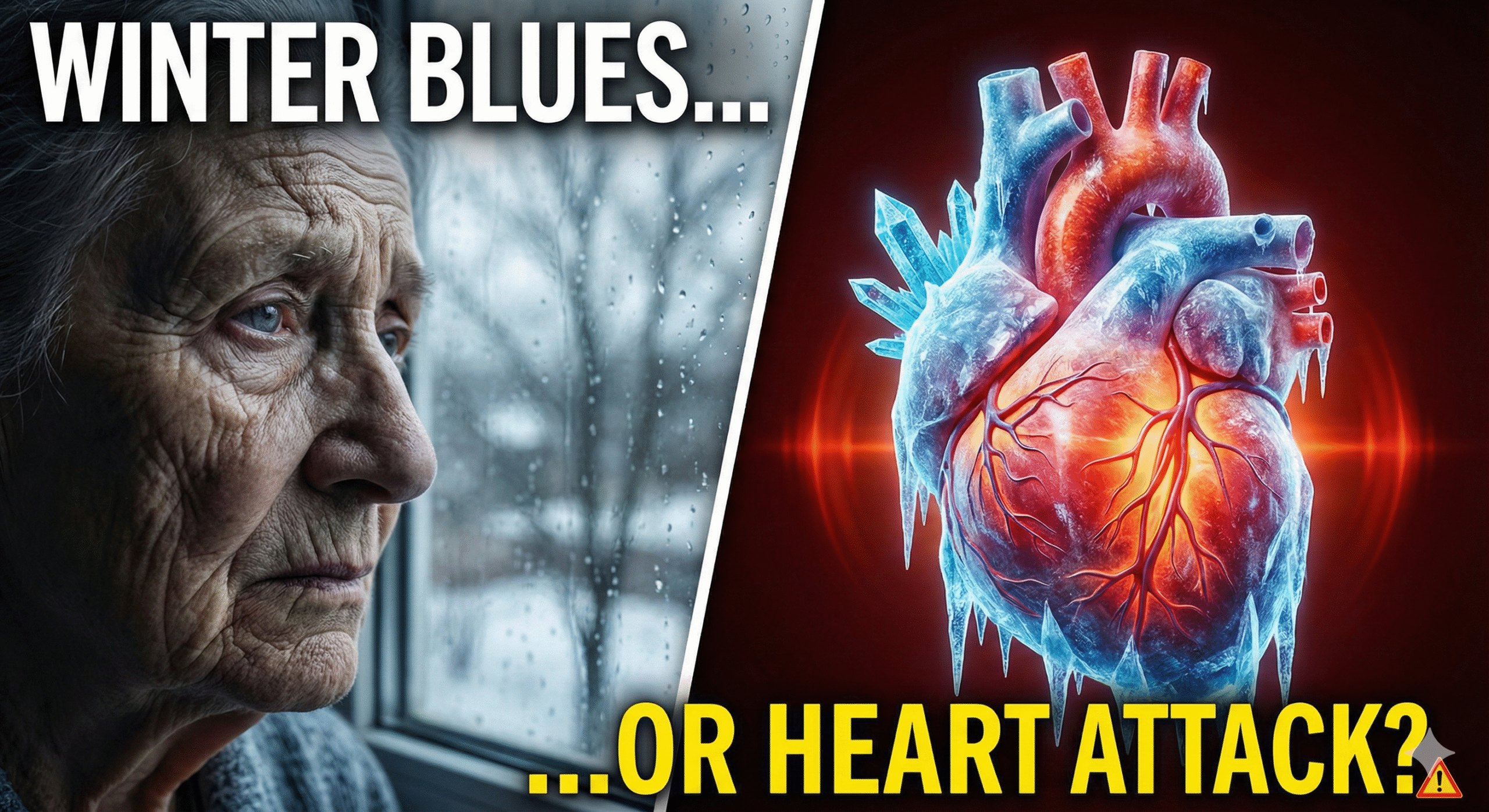
While often dismissed colloquially as the “winter blues,” Seasonal Affective Disorder represents a complex interaction between our environment and our biology. For the general population, it may manifest as a desire to sleep more or a craving for comfort foods. However, for individuals managing chronic lifestyle diseases—specifically heart disease, diabetes, and metabolic disorders—this seasonal shift is not just a mental health challenge; it is a period of heightened physiological vulnerability.
The human body is an engine that relies on environmental cues to regulate its internal clocks. Sunlight is the primary “zeitgeber,” or time-giver, that synchronizes our hormonal rhythms, sleep-wake cycles, and metabolic processes. When winter strips away this essential light, the biological machinery can falter. For a patient with a compromised cardiovascular system or a metabolic disorder, the consequences of this desynchronization can be severe. The lethargy of Seasonal Affective Disorder leads to sedentary behavior; the carbohydrate cravings lead to glycemic instability; and the cold weather itself imposes a hemodynamic burden on the heart that can be fatal.
This comprehensive research report serves as an essential guide for patients and caregivers. We will journey beyond the surface symptoms to explore the deep physiological mechanisms connecting the dark months to heart health. We will dissect the causes of Seasonal Affective Disorder, identifying why individuals with diabetes and heart conditions are at unique risk. Most importantly, we will provide a detailed, research-backed roadmap for treatment. From the advanced, non-invasive technology of EECP Therapy to the ancient wisdom of herbal medicine and practical lifestyle strategies, this report is designed to empower you to navigate the winter season with safety, stability, and vitality.
Before we delve into the intricate biology of Seasonal Affective Disorder, it is crucial to establish the clinical reality of the winter months. The following fact sheet synthesizes data from global registries and major clinical studies, highlighting the statistical urgency of winter health management for patients with cardiovascular and metabolic risks.
| Metric | Statistic | Clinical Implication for Heart & Diabetes Patients |
| SAD Prevalence |
~5% of adults experience clinical Seasonal Affective Disorder; 10-20% have milder “winter blues”. |
A significant portion of the population faces reduced motivation for self-care (medication adherence, exercise) during high-risk months. |
| Gender Gap |
4 out of 5 SAD sufferers are women. |
Women with diabetes/heart disease need heightened vigilance for depressive symptoms, which are often masked as fatigue. |
| Heart Attack Spike |
Heart attack rates rise by 15% to 53% in winter compared to summer. |
Cold weather acts as a “stress test,” exposing vulnerable hearts to failure. The risk is highest for diabetics. |
| “Holiday Heart“ |
Cardiac mortality peaks on Dec 25, Dec 26, and Jan 1. |
The combination of Seasonal Affective Disorder, stress, alcohol, and salty food creates a deadly holiday triad. |
| The “Lag Effect” |
Heart attack risk peaks 2-6 days after a cold spell. |
Danger persists even after the patient returns indoors; the inflammatory cascade takes days to manifest as a clot. |
| Influenza Risk |
Heart attack risk increases 6-fold in the 7 days post-flu infection. |
Seasonal Affective Disorder weakens immunity; contracting the flu triggers systemic inflammation that ruptures arterial plaque. |
| Morning Surge |
Winter heart attacks cluster between 6:00 AM and Noon. |
Cold weather amplifies the natural morning spike in blood pressure, increasing shear stress on blood vessels. |
| Vitamin D |
>50% of people in northern latitudes are Vitamin D deficient in winter. |
Low Vitamin D correlates with higher blood pressure, depression, and insulin resistance. |
| Search Trends |
Queries for “Seasonal Depression” peak in the 3rd week of November. |
Patients begin to feel the physiological shift significantly before the official start of winter. |
The data indicates a clear convergence: the season that triggers Seasonal Affective Disorder is the same season that places maximum stress on the cardiovascular system.
To treat Seasonal Affective Disorder effectively, especially in patients with complex medical histories, we must first understand the “why.” It is not simply a psychological reaction to gloomy weather; it is a biochemical disturbance rooted in the brain’s response to light deprivation.
Deep within the brain lies a tiny region called the Suprachiasmatic Nucleus (SCN). This is the body’s master clock. It controls the circadian rhythm—the 24-hour cycle that regulates sleep, hormone release, body temperature, and digestion. The SCN relies on light entering the eyes to stay synchronized with the external world.
In the winter, sunrise comes later and sunset comes earlier. The intensity of the light is also weaker. For many people, particularly those with Seasonal Affective Disorder, this lack of high-intensity morning light causes the internal clock to “drift.” The body may think it is 3:00 AM when the alarm goes off at 7:00 AM. This phenomenon, known as phase delay, results in a condition similar to permanent jet lag.
For patients with diabetes and metabolic disorders, circadian disruption is physically damaging. The circadian clock also regulates insulin sensitivity and glucose metabolism. When the sleep-wake cycle is out of sync, the body processes sugar less efficiently, leading to higher fasting blood glucose levels and increased insulin resistance—a dangerous state for a diabetic patient.
Melatonin is a hormone produced by the pineal gland that signals the body to prepare for sleep. Its production is inhibited by light and stimulated by darkness. In the long nights of winter, the duration of melatonin secretion increases.
In patients with Seasonal Affective Disorder, the drop in melatonin that should happen in the morning is often delayed or insufficient. This means they start their day with high levels of a sleep hormone circulating in their blood. This is the biological cause of the profound fatigue and sleep problems in winter often reported by patients. They feel heavy, groggy, and unmotivated—symptoms often described as “leaden paralysis.”
For a heart patient, this lethargy is dangerous because it discourages physical activity. Sedentary behavior leads to blood stasis (slowing of blood flow) and deconditioning of the heart muscle, increasing the risk of thrombotic events (clots).
Serotonin is a neurotransmitter that regulates mood, appetite, and focus. Sunlight promotes the production of serotonin. When sunlight is scarce, serotonin levels drop.
Low serotonin is a primary driver of the low mood and anxiety associated with Seasonal Affective Disorder. However, serotonin also regulates satiety (the feeling of fullness). When serotonin is low, the brain triggers intense cravings for carbohydrates. Why? Because eating carbohydrates triggers insulin release, which helps tryptophan (the amino acid precursor to serotonin) enter the brain.
Essentially, the carbohydrate craving is the brain’s desperate attempt to self-medicate and boost serotonin. For a diabetic patient, this biological drive to consume bread, pasta, and sweets is a major hurdle for glycemic control, often leading to the “winter weight gain” that worsens metabolic syndrome.
Often called the “sunshine vitamin,” Vitamin D is synthesized in the skin upon exposure to UVB radiation. In winter, in many parts of the world, the sun is too low in the sky to stimulate this synthesis.
Vitamin D deficiency and depression are strongly linked. Vitamin D receptors are found in the areas of the brain involved in mood regulation. However, Vitamin D is also a potent regulator of the cardiovascular system. It inhibits the Renin-Angiotensin-Aldosterone System (RAAS), a hormonal system that constricts blood vessels and raises blood pressure. When Vitamin D levels crash in winter, this natural “brake” on blood pressure is removed, leading to hypertension—a major risk factor for winter heart attacks.
We must recognize that Seasonal Affective Disorder does not exist in a vacuum. It interacts aggressively with chronic lifestyle diseases. This section explores the specific physiological collisions that occur when a diabetic or heart patient develops SAD.
Metabolic syndrome is a cluster of conditions—high blood pressure, high blood sugar, excess body fat around the waist, and abnormal cholesterol levels—that occur together. Research indicates a bidirectional relationship between Seasonal Affective Disorder and metabolic syndrome.
Patients with metabolic syndrome typically have high levels of systemic inflammation. Inflammation is known to depress mood and alter brain chemistry. Conversely, the behaviors driven by SAD—overeating and inactivity—directly worsen metabolic parameters.
The Carb Trap: As noted, the serotonin-driven carb cravings lead to rapid spikes in blood sugar. High blood sugar damages the endothelial lining of the blood vessels, making them more prone to spasm in the cold weather.
Visceral Fat Accumulation: The weight gained during winter is often visceral fat (belly fat). This fat is metabolically active, releasing inflammatory cytokines that further damage the heart and increase insulin resistance.
Cortisol and Stress: The winter sadness and anxiety associated with SAD trigger the release of cortisol, the stress hormone. Cortisol actively raises blood sugar and blood pressure, creating a “perfect storm” for a metabolic crisis.
While Seasonal Affective Disorder compromises the mind and metabolism, the cold weather compromises the mechanics of the cardiovascular system.
Vasoconstriction (The Cold Pressor Response): To conserve heat, the body constricts peripheral blood vessels. This increases systemic vascular resistance. The heart must pump harder to push blood through these narrowed pipes. For a heart already weakened by disease, this extra workload can induce ischemia (lack of oxygen) and precipitate failure.
Hemoconcentration (Thick Blood): In winter, fluid is lost through breathing dry air and “cold diuresis.” This reduces plasma volume, making the blood thicker (more viscous). At the same time, levels of fibrinogen (a clotting protein) rise in the cold.
The Collision: A patient with Seasonal Affective Disorder is likely to be sedentary (poor flow) and suffering from high blood sugar (sticky blood). When they step out into the cold, their vessels clamp down. Thick blood trying to move through narrow vessels creates high shear stress, which can rupture arterial plaque and cause a massive heart attack.
Recognizing SAD symptoms in adults is critical, but for heart patients, we must also recognize the “Silent” symptoms of cardiac distress that mimic SAD.
Mood: Persistent sadness, hopelessness (“Winter Blues”).
Sleep: Hypersomnia (oversleeping), difficulty waking up, unrefreshing sleep.
Appetite: Intense cravings for starches and sweets; weight gain.
Energy: “Leaden paralysis” (arms and legs feel heavy), profound fatigue.
Social: Withdrawal from friends and family (“Hibernation”).
Diabetic patients often suffer from Cardiac Autonomic Neuropathy, nerve damage that blocks pain signals from the heart. They may have a heart attack without feeling chest pain. In winter, the symptoms of a “Silent Heart Attack” can be easily confused with Seasonal Affective Disorder or the flu.
Watch for these “Angina Equivalents”:
Sudden Exhaustion: If a patient feels suddenly “wiped out” after mild exertion (like walking to the bathroom) in a way that sleep doesn’t fix, this is not just SAD; it could be heart failure.
Shortness of Breath: Feeling winded while inactive or with minimal movement.
Nausea/Indigestion: Often dismissed as “holiday overeating,” but can be a sign of a heart attack, especially in women and diabetics.
Profuse Sweating: Breaking out in a cold sweat in a cool room is a classic sign of cardiac distress.
Referred Pain: Pain in the jaw, neck, or back, rather than the chest.
If a patient with Seasonal Affective Disorder experiences these sudden physical shifts, immediate medical attention is required. Do not assume it is just “depression”.
Treating Seasonal Affective Disorder in heart patients requires a multi-layered approach. We cannot simply prescribe antidepressants, as some may interact with heart medications. We need a strategy that addresses the mood, the metabolism, and the circulation simultaneously.
Bright Light Therapy (BLT) is the first-line treatment for SAD. It involves sitting in front of a specialized light box that emits 10,000 lux of cool-white light.
Mechanism: The light enters the retina and stimulates the SCN, signaling the brain to suppress melatonin and boost serotonin.
Protocol: 30 minutes of exposure immediately upon waking (ideally before 8:00 AM).
Cardiac Benefit: By resetting the circadian rhythm, light therapy helps normalize cortisol and blood pressure rhythms, reducing the “morning surge” risk.
Given the prevalence of deficiency, supplementation is non-negotiable for most patients in winter.
Target: Therapeutic levels are typically 40-60 ng/mL.
Dosage: Common recommendations range from 1000 to 2000 IU daily, but blood testing is essential to determine the correct dose.
Benefit: Improves mood (SAD) and regulates blood pressure (RAAS inhibition).
This is a critical preventative measure. Shoveling snow is the single most dangerous winter activity for heart patients.
The Physiology: It combines isometric exertion (gripping the shovel spikes BP), the Valsalva maneuver (holding breath spikes internal pressure), and cold air inhalation (constricts coronary arteries).
The Risk: This “triad of stress” can cause sudden cardiac death. Heart patients must delegate this task.
Keeping warm is not just about comfort; it is about hemodynamics.
Layering: Wear layers to trap heat.
The Scarf Rule: Always wear a scarf over the nose and mouth when outdoors. This warms the air before it enters the lungs, preventing cold-induced bronchospasm and coronary artery constriction.
Indoor Heat: Keep the home heated to at least 18°C (64°F) to prevent constant low-level vasoconstriction.
Instead of fighting biology, manage it.
Complex Carbs: Choose oats, quinoa, and sweet potatoes. These boost serotonin but digest slowly, preventing the insulin spikes that damage diabetic blood vessels.
Protein Pairing: Always eat carbs with protein or healthy fat to blunt the glycemic response.
Exercise acts as a natural antidepressant and insulin sensitizer. However, outdoor exercise in freezing temperatures is risky for heart patients.
Strategy: Mall walking, treadmill, or stationary cycling. This maintains blood flow and mood without the cold stress.
Isolation is a risk factor for both depression and heart disease. Schedule regular social interactions to boost oxytocin, which naturally counters the effects of cortisol and stress.
The flu shot is a cardiovascular intervention. By preventing the flu, you prevent the massive inflammatory storm that destabilizes arterial plaque. It reduces the risk of winter heart attacks significantly.
Dry winter air dehydrates the body rapidly. Dehydration thickens the blood (hemoconcentration). Drink water regularly to maintain optimal blood viscosity and reduce clot risk.
Treating Seasonal Affective Disorder in heart patients requires looking at the whole person. This includes spinal alignment (as spinal nerves innervate the heart) and holistic stress management.
When conservative measures are not enough, and a patient faces significant blockages or refractory angina exacerbated by winter, medical intervention is needed. Below is a comparison of standard invasive options versus non-invasive therapies like EECP.
| Feature | Angioplasty (Stenting) | Bypass Surgery (CABG) | EECP Therapy (Non-Invasive) |
| What is it? | A catheter inserts a balloon and stent to prop open a blocked artery. | Open-heart surgery using a vein from the leg to detour blood around blockages. | External pneumatic cuffs on the legs pump blood to create “Natural Bypasses.” |
| Primary Indication | Focal, discrete blockages; Acute Heart Attacks. | Multi-vessel disease; Complex diabetic cases; Left Main disease. | Chronic Angina; Heart Failure; Patients unfit or unwilling for surgery. |
| Invasiveness | Moderate. Puncture in wrist or groin. | High. Requires sternotomy (cutting chest bone) & heart-lung machine. | Zero. No cuts, needles, or anesthesia required. |
| Recovery Time | 1-2 Weeks. | 3-6 Months. (High risk of infection/pneumonia in winter). | None. Immediate return to daily life. |
| Diabetic Risk | High rate of “Restenosis” (re-blocking) in diabetics due to diffuse disease. | Risk of wound infection and poor healing is high in diabetics. | Improves glycemic control. No surgical risks. ideal for small-vessel disease. |
| Effect on Mood/SAD | Neutral. Addresses physical flow only. | Risk of “Post-Pump Depression” and cognitive decline (“Pump Head”). |
Positive. Studies show EECP reduces anxiety & depression significantly. |
| Cost (Approx ₹) | ₹1.5 – ₹4 Lakhs. | ₹2.5 – ₹5 Lakhs. | ₹70,000 – ₹1.2 Lakhs (Full Course). |
| Winter Suitability | Recovery in cold season can be difficult. | High risk of respiratory complications during winter recovery. | Ideal. Safe, warm, outpatient therapy. No hospital stay. |
Insight from the BARI 2D Trial: The BARI 2D trial, a landmark study, showed that for many diabetic patients with stable heart disease, prompt revascularization (surgery/stents) did not reduce mortality compared to intensive medical therapy. This highlights the importance of exploring non-invasive options like EECP that improve the function of the heart without the trauma of surgery.
For patients with Seasonal Affective Disorder and heart disease, EECP Therapy (Enhanced External Counterpulsation) is a uniquely beneficial treatment. It is an FDA-approved, non-invasive therapy often described as a “passive workout” for the heart.
The patient lies on a comfortable treatment table. Pneumatic cuffs are wrapped around the calves, thighs, and buttocks. These cuffs inflate and deflate in precise synchronization with the patient’s ECG (heart rhythm).
Diastolic Augmentation: When the heart rests (diastole), the cuffs inflate rapidly from the calves up. This “milks” oxygen-rich blood from the legs backward into the aorta and forces it into the coronary arteries. This increases blood flow to the heart muscle significantly.
Systolic Unloading: Milliseconds before the heart beats (systole), the cuffs deflate instantly. This creates a vacuum effect, reducing the resistance (afterload) the heart has to pump against.
Angiogenesis: The increased shear stress on the arterial walls releases VEGF (Vascular Endothelial Growth Factor). This stimulates the growth of new, tiny collateral blood vessels around blockages—essentially a “natural bypass.”
Combating Vasoconstriction: EECP improves endothelial function, increasing the production of Nitric Oxide. This helps keep blood vessels dilated and flexible, countering the dangerous vasoconstriction caused by cold winter air.
Mental Health Benefits: Remarkably, EECP has been shown to improve mental health. By improving cerebral (brain) blood flow and reducing systemic inflammation, studies indicate that EECP significantly reduces symptoms of anxiety and depression in heart patients. It releases endorphins, offering a mood boost that combats Seasonal Affective Disorder.
Safety: For elderly patients or those with severe diabetes who are high-risk candidates for winter surgery, EECP offers a safe, effective alternative with no risk of infection or surgical complications.
Ayurveda and integrative medicine offer potent tools to combat both the winter blues and the cardiovascular risks of the season.
Known as the “Prince of Herbs,” Ashwagandha is a powerful adaptogen.
For SAD: It significantly lowers serum cortisol levels. Since cortisol is often elevated in Seasonal Affective Disorder due to stress and circadian misalignment, Ashwagandha helps stabilize mood, reduce anxiety, and improve sleep quality.
For Heart: By lowering stress hormones, it protects the heart from the “morning surge” in blood pressure. It also has favorable effects on lipid profiles.
Caution: Diabetics should monitor blood sugar, as it can enhance insulin sensitivity.
The bark of the Arjuna tree is the premier heart tonic in Ayurveda.
For Heart: It acts as a natural inotrope, strengthening the heart muscle and improving Left Ventricular Ejection Fraction (LVEF). It is rich in antioxidants that protect the endothelial lining from the oxidative stress of winter.
For Mood: Traditional texts and some modern studies suggest it supports emotional wellness and combats the lethargy associated with the winter blues by improving general circulation.
For Heart: Garlic contains allicin, which inhibits platelet aggregation. This is crucial in winter when “thick blood” (hemoconcentration) increases the risk of clots. It also mimics ACE inhibitors, helping to relax blood vessels and lower blood pressure.
For Immunity: Its antimicrobial properties help ward off the flu and respiratory infections, which are major triggers for heart attacks in diabetics.
A quintessential winter spice that acts as metabolic medicine.
Metabolic Benefit: Cinnamon mimics the activity of insulin, helping to transport glucose into cells. This is vital for managing the blood sugar spikes caused by winter carb cravings.
Circulation: It is a “warming” herb that improves peripheral circulation, keeping hands and feet warm in the cold.
If you are navigating the complexities of diabetes, heart disease, and the seasonal challenges of winter, you do not have to do it alone.NexIn Health, located in the heart of Delhi (Bhikaji Cama Place), is your expert partner in non-invasive cardiac and spine care.
With over 14 years of experience and having successfully consulted over 30,000 patients, we specialize in Integrated Non-Invasive Treatments. Our philosophy moves beyond simply treating a blockage; we treat the patient. Our approach combines advanced, FDA-approved technology like EECP Therapy with specialized Spine Adjustment treatments (as spinal health directly impacts cardiac nerve function), nutritional counseling, and holistic lifestyle management.
We are dedicated to helping patients who are deemed “inoperable,” those who wish to avoid the risks of bypass surgery, or those seeking to reverse lifestyle diseases naturally.
Take the first step towards a heart-healthy winter:
Phone/WhatsApp: +91 9310145010
Website: www.nexinhealth.in
Email: care@nexinhealth.in
Q1: Why do I crave carbohydrates so much in the winter? A: This is a biological response to Seasonal Affective Disorder. Carbohydrates trigger the release of insulin, which helps tryptophan enter the brain. Tryptophan is converted into serotonin, the “feel-good” chemical that is depleted due to lack of sunlight. Your body is essentially trying to self-medicate its low mood.
Q2: Is “Silent Ischemia” common in winter? A: Yes, especially for diabetics. Cold weather constricts blood vessels, reducing oxygen to the heart. However, due to nerve damage (neuropathy), diabetics may not feel chest pain. They might only feel sudden fatigue, breathlessness, or nausea. This “silent” lack of blood flow is dangerous because the patient doesn’t know to stop exerting themselves.
Q3: Can EECP really help with depression? A: Yes. Clinical studies have shown that EECP Therapy can significantly reduce symptoms of anxiety and depression. It improves blood flow to the brain, reduces systemic inflammation, and releases endorphins. Many patients report feeling a “lift” in their mood and energy levels after a course of treatment.
Q4: Is it safe to exercise outdoors in the cold if I have heart disease? A: It requires extreme caution. Breathing cold air can cause reflex constriction of the coronary arteries. If the temperature is very low, it is safer to exercise indoors (mall walking, stationary bike). If you must go out, wear a scarf over your mouth to warm the air before it enters your lungs.
Q5: Why is the “Morning Surge” of blood pressure worse in winter? A: Blood pressure naturally rises when you wake up due to cortisol and adrenaline release. In winter, the cold ambient temperature causes additional vasoconstriction (narrowing of vessels). This combination creates a much sharper, higher spike in blood pressure, which can rupture arterial plaque. This is why most winter heart attacks happen between 6 AM and noon.
Q6: Can I take Ashwagandha with my diabetes medication? A: You must be careful. Ashwagandha naturally lowers blood sugar. If you take it alongside insulin or sulfonylureas, it could cause your sugar to drop too low (hypoglycemia). Always consult your doctor and monitor your blood sugar closely when starting this herb.
Q7: How does the flu trigger a heart attack? A: The influenza virus causes a massive inflammatory response in the body (“cytokine storm”). This systemic inflammation can make the cholesterol plaques in your heart arteries unstable and prone to rupture. The risk of a heart attack is 6 times higher in the week following a flu infection.
Q8: What is the best time to do Light Therapy? A: The most effective time is immediately upon waking, ideally between 6:00 AM and 8:00 AM. Using the light box later in the day (afternoon or evening) can disrupt your sleep cycle further. Aim for 20-30 minutes exposure.
Q9: Does Vitamin D really help prevent heart attacks? A: Low Vitamin D is strongly linked to heart disease. Vitamin D helps regulate blood pressure and reduce inflammation. While studies on supplementation are ongoing, correcting a deficiency (common in winter) is widely considered a key part of preventative heart care.
Q10: What makes the NexIn Health approach different from a standard hospital? A: NexIn Health focuses on non-invasive and integrated care. We don’t just look at the angiogram; we look at the patient’s spine, diet, stress levels, and environment. We use therapies like EECP to build natural bypasses rather than relying solely on stents or surgery, making it a safer option for many high-risk patients.
The arrival of winter brings a distinct set of challenges that extend far beyond the need for a warmer coat. Seasonal Affective Disorder is a physiological reality that intertwines deeply with the health of your heart and metabolism. The mechanisms are clear: lack of light disrupts the circadian clock; this disruption triggers hormonal imbalances that ruin sleep and drive sugar cravings; and the cold weather itself physically constricts the vascular system, thickening the blood and straining the heart.
For the patient with diabetes or heart disease, dismissing the “winter blues” as a minor nuisance is a dangerous oversight. The lethargy, the weight gain, and the “silent” symptoms of ischemia are warning signs that the body is under stress.
However, this season of darkness does not have to be a season of disease. By understanding these biological connections, you can take control. Whether it is adopting Light Therapy to reset your brain, utilizing EECP Therapy to rejuvenate your circulation, or embracing the warming protection of herbs like Arjuna and Ashwagandha, you have a powerful arsenal at your disposal.
Do not wait for the “winter lag” to catch up with you. Listen to your body. If you feel the heaviness of the season settling in, take action. With the right knowledge and the right partner in health, you can navigate the winter months not just with safety, but with resilience and vitality.
Disclaimer: This report is for informational purposes only and does not constitute medical advice. Always consult your cardiologist or endocrinologist before making changes to your diet, exercise routine, or medication plan.


Experience

Certified Therapists

Satisfied Patients
Contact us