The Liver–Heart Connection: Why Reversing Fatty Liver Is the First Step to Heart Safety


The Liver–Heart Connection: Why Reversing Fatty Liver Is the First Step to Heart Safety
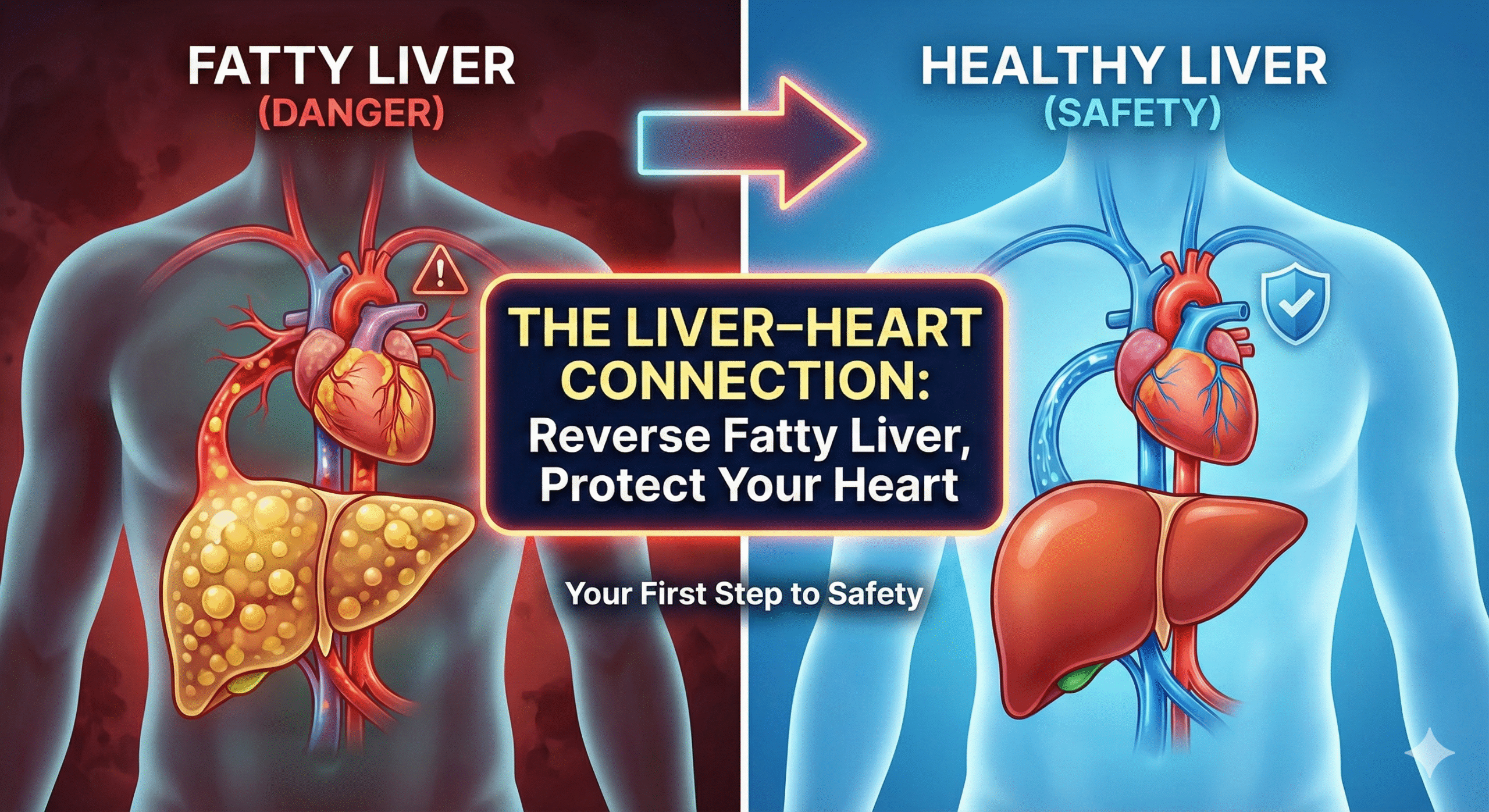
Your liver and heart work together like close partners in keeping you healthy. When one struggles, the other suffers too. Many people don’t realize that a fatty liver—a condition affecting millions worldwide—can quietly damage your heart. Understanding The Liver–Heart Connection is crucial if you want to protect yourself from heart attacks, strokes, and other serious health problems.
If you have diabetes, high cholesterol, or weight issues, your liver might already be in trouble. And when your liver isn’t working properly, your heart pays the price. Let’s explore how these two vital organs are linked and what you can do to keep both healthy.
Did You Know?
✓ 70% of people with fatty liver disease also have heart problems – making it a silent threat to cardiovascular health
✓ Your liver processes over 500 functions daily – including controlling cholesterol that directly affects your heart
✓ Fatty liver can exist without symptoms – you might have it right now without knowing
✓ Reversing fatty liver can reduce heart attack risk by 40% – according to recent medical studies
✓ The liver produces cholesterol – when damaged, it creates the “bad” type that clogs arteries
✓ Inflammation from fatty liver travels to your heart – causing damage to blood vessels
✓ Weight loss of just 10% can reverse fatty liver – and dramatically improve heart health
Fatty liver, medically called nonalcoholic fatty liver disease (NAFLD), happens when fat builds up in your liver cells. Your liver should contain little to no fat. When it stores more than 5-10% fat, it becomes inflamed and damaged.
Think of your liver like a water filter. When it gets clogged with fat, it can’t clean your blood properly. This dirty blood then flows to your heart, carrying harmful substances that damage your arteries and increase your risk of heart disease.
Common causes include:
The relationship between liver and heart health works both ways. Your liver controls many processes that directly impact your cardiovascular system.
How your liver protects your heart:
Cholesterol metabolism and liver function work together constantly. Your liver produces cholesterol and also removes the excess. When your liver is fatty, it makes too much “bad” LDL cholesterol and not enough “good” HDL cholesterol. This imbalance leads to plaque buildup in your arteries.
Blood sugar control is another key role. A healthy liver manages glucose levels and responds to insulin properly. When fatty liver develops, insulin resistance and heart health become major concerns. Your body needs more insulin to control blood sugar, leading to inflammation throughout your body, including your heart.
Recent studies show a strong link between liver function and cardiovascular health. When your liver becomes fatty, several dangerous processes begin:
Inflammation and cardiovascular risk go hand in hand. A fatty liver releases inflammatory chemicals called cytokines. These travel through your bloodstream to your heart and blood vessels, causing damage. Over time, this chronic inflammation weakens your arteries and makes them stiff.
Oxidative stress and heart disease develop when your liver struggles with fat. The liver produces harmful free radicals that attack your cells. Your heart cells are especially vulnerable to this damage, leading to heart muscle weakness and irregular heartbeats.
Triglycerides and liver function are closely related. When your liver is fatty, it cannot process fats properly. High triglycerides in your blood increase your risk of heart attacks and strokes significantly
Understanding liver disease and heart disease as connected conditions helps you prevent both. Here’s what happens:
Stage 1: Silent Fat Buildup Your liver stores extra fat. You feel fine, but damage begins.
Stage 2: Inflammation Starts The fat causes liver inflammation. Liver enzymes and cardiovascular risk increase as damaged liver cells release enzymes into your blood.
Stage 3: Metabolic Problems Develop Metabolic syndrome and liver health become issues. You may develop high blood pressure, high blood sugar, and abnormal cholesterol—all major heart disease risk factors.
Stage 4: Serious Complications Without treatment, both organs suffer serious damage. Liver scarring (cirrhosis) and heart disease advance together.
Metabolic health and heart disease are deeply connected through your liver. Metabolic syndrome is a cluster of conditions including:
All five conditions involve poor liver function. The gut-liver-heart axis shows how your digestive system, liver, and heart communicate through hormones and chemicals. When this system breaks down, all three areas suffer.
Most people with fatty liver and heart disease have no symptoms until serious damage occurs. However, watch for these signs:
Liver-related symptoms:
Heart-related symptoms:
Early detection saves lives. Your doctor can check for The Liver–Heart Connection problems through:
Blood tests measure liver enzymes, cholesterol, triglycerides, and blood sugar. High levels indicate both liver and heart risks.
Imaging tests like ultrasound, CT scans, or MRI show fat in your liver and blockages in your arteries.
FibroScan is a special test that measures liver stiffness without surgery.
Stress tests check how well your heart works under pressure.
| Treatment Type | How It Works | Benefits | Time to See Results | Best For |
|---|---|---|---|---|
| Lifestyle Changes | Diet, exercise, weight loss | Addresses root cause, improves both organs | 3-6 months | Everyone, especially early stages |
| Medications | Statins, diabetes drugs, BP medicines | Controls symptoms and risk factors | 1-3 months | People with high risk or advanced disease |
| EECP Therapy | Improves blood flow to heart naturally | Non-invasive, boosts heart function | 4-7 weeks | Heart disease patients |
| Ayurvedic Treatment | Herbs, detox, lifestyle balance | Natural, holistic healing | 2-6 months | Those preferring natural approaches |
| Homeopathic Medicine | Constitutional treatment | Gentle, no side effects | 3-12 months | Chronic conditions, prevention |
| Bariatric Surgery | Weight loss surgery | Rapid weight loss, reverses fatty liver | 6-12 months | Severe obesity cases |
Many people find relief through natural treatments. Here are proven options:
Kutki (Picrorhiza kurroa): This powerful herb protects liver cells and reduces inflammation. It helps the liver process fats better.
Punarnava (Boerhavia diffusa): Supports both liver and heart by reducing fluid retention and improving kidney function.
Arjuna (Terminalia arjuna): This heart tonic strengthens heart muscles and improves blood circulation while protecting the liver.
Triphala: A combination of three fruits that cleanses the liver and supports healthy digestion and metabolism.
Chelidonium majus: Helps with liver congestion and improves bile flow, reducing cholesterol levels.
Lycopodium: Supports liver function in people with digestive problems and metabolic issues.
Cardus marianus (Milk Thistle): Protects liver cells from damage and helps regeneration.
Milk Thistle Extract: Contains silymarin, which repairs liver damage and reduces inflammation.
Omega-3 Fatty Acids: From fish oil or flaxseed, these reduce fat in the liver and protect the heart.
Green Tea: Contains antioxidants that protect both liver and heart cells.
Turmeric (Curcumin): Powerful anti-inflammatory that benefits both organs.
Garlic: Helps lower cholesterol and supports liver detoxification.
Enhanced External Counterpulsation (EECP) Therapy is a non-invasive treatment that significantly improves heart health. During EECP, special cuffs wrapped around your legs gently squeeze and release in rhythm with your heartbeat.
How EECP helps:
EECP is particularly beneficial for people with The Liver–Heart Connection problems because improved heart function reduces stress on your entire circulatory system, including your liver. The treatment involves 35 one-hour sessions over 7 weeks.
Benefits for liver health: Better circulation means your liver receives more oxygen-rich blood, helping it heal and function better.
No medicine works without healthy habits. Here’s what you must do:
Foods to eat:
Foods to avoid:
Aim for 150 minutes of moderate activity weekly. Walking, swimming, cycling, and yoga all help. Exercise burns liver fat and strengthens your heart simultaneously.
Losing just 7-10% of your body weight can reverse fatty liver and dramatically reduce heart disease risk.
Chronic stress raises cortisol, which promotes fat storage in your liver. Practice meditation, deep breathing, or hobbies you enjoy.
Your doctor may prescribe medicines based on your specific needs:
Statins lower cholesterol and reduce liver inflammation.
Metformin helps with insulin resistance and may reduce liver fat in diabetics.
Pioglitazone improves insulin sensitivity and reduces liver inflammation.
Vitamin E (in specific doses) may help reduce liver inflammation in some people.
Blood pressure medications protect your heart and reduce stress on your liver.
Once you start treatment for The Liver–Heart Connection, regular follow-ups are essential:
You can prevent both fatty liver and heart disease with these steps:
Maintain healthy weight: Keep your BMI between 18.5-24.9
Eat a balanced diet: Focus on whole, unprocessed foods
Exercise daily: Even 30 minutes of walking helps
Limit alcohol: Better to avoid it completely
Control diabetes: Keep blood sugar in target range
Manage cholesterol: Follow your doctor’s advice
Don’t smoke: Smoking damages both liver and heart
NexIn Health specializes in treating heart and spine conditions using proven non-invasive integrated techniques. With over 14 years of experience and having successfully consulted more than 30,000 patients, we understand The Liver–Heart Connection deeply. Our expert team offers personalized treatment plans combining modern medicine with natural therapies, including EECP therapy, to help you achieve optimal heart and metabolic health without surgery.
Contact us today: 📞 Phone/WhatsApp: +91 9310145010
🌐 Website: www.nexinhealth.in
📧 Email: care@nxinhealth.in
Que: Can fatty liver be completely reversed?
Ans: Yes, early-stage fatty liver can be completely reversed through weight loss, healthy diet, and regular exercise. Most people see improvement within 3-6 months of lifestyle changes.
Que: How does fatty liver directly affect my heart?
Ans: Fatty liver increases inflammation, raises bad cholesterol, creates insulin resistance, and releases harmful substances into your blood. All these factors damage your heart and blood vessels over time.
Que: What foods are best for both liver and heart health?
Ans: Focus on vegetables, fruits, whole grains, fish, nuts, and olive oil. Avoid sugar, processed foods, fried items, and excessive red meat. The Mediterranean diet is excellent for both organs.
Que: Is EECP therapy safe for people with fatty liver?
Ans: Yes, EECP therapy is very safe and beneficial. It improves overall circulation, which helps your liver receive better blood flow and oxygen, supporting its healing process.
Que: Can I have fatty liver without being overweight?
Ans: Yes, about 20% of people with normal weight can develop fatty liver due to genetics, poor diet quality, insulin resistance, or other metabolic factors.
Que: How long does it take to reverse fatty liver?
Ans: With consistent effort, significant improvement occurs in 3-6 months. Complete reversal may take 6-12 months depending on severity and your dedication to lifestyle changes.
Que: Are there any side effects of Ayurvedic treatments for liver and heart?
Ans: When taken under proper guidance from qualified practitioners, Ayurvedic herbs are generally safe. However, some herbs may interact with medications, so always inform your doctor.
Que: Can diabetes medications help with fatty liver?
Ans: Yes, certain diabetes medications like metformin and pioglitazone can help reduce liver fat and improve insulin sensitivity, benefiting both conditions.
Que: Should I stop my cholesterol medicine if I improve my diet?
Ans: Never stop prescribed medications without consulting your doctor. Your doctor will adjust medications based on your progress and test results.
Que: What is the gut-liver-heart axis?
Ans: It’s the communication system between your digestive system, liver, and heart. Gut bacteria, digestive health, liver function, and heart health all influence each other through hormones, chemicals, and inflammatory signals.
The Liver–Heart Connection is real, powerful, and potentially life-saving to understand. Your liver and heart depend on each other for optimal function. When you take care of your liver through healthy eating, regular exercise, and appropriate medical treatment, you automatically protect your heart.
Don’t wait for symptoms to appear. Start making changes today. Whether you choose conventional medicine, natural remedies, EECP therapy, or a combination approach, taking action now can prevent serious complications later.
Remember, reversing fatty liver is not just about liver health—it’s about protecting your heart and extending your life.


Experience

Certified Therapists

Satisfied Patients
Contact us