Vitamin A benefits and deficiency symptoms: Causes, Symptoms, Safe Levels, and Complete Treatment Guide
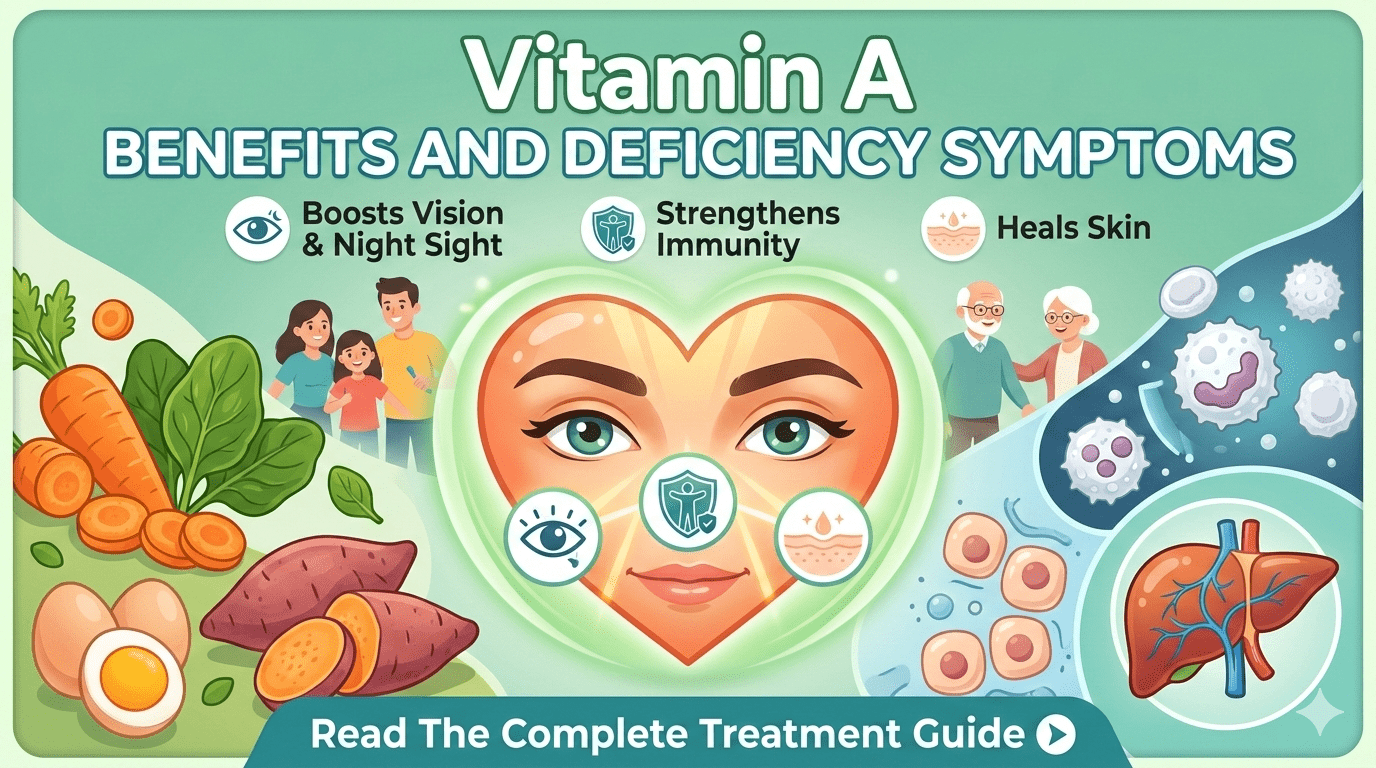


Vitamin A benefits and deficiency symptoms are very important for maintaining overall health, especially for people living with heart disease, diabetes, and metabolic disorders. Vitamin A is a fat-soluble vitamin that supports vision, immunity, skin repair, and organ health. It also helps maintain healthy cells and supports the normal function of many organs in the body.
When the body does not get enough vitamin A from food or supplements, it can lead to several health problems. Early symptoms may include dry eyes, poor night vision, and frequent infections. In severe cases, deficiency may cause blindness and weak immunity. At the same time, taking too much vitamin A through supplements may also cause toxicity and liver damage.
Understanding Vitamin A benefits and deficiency symptoms helps people make safe dietary choices and prevent health problems. For heart patients and people with metabolic disorders, maintaining balanced vitamin levels can help improve immune response, support tissue repair, and protect organs from damage.
This guide explains everything about Vitamin A benefits and deficiency symptoms, including its functions in the body, causes of deficiency, early warning signs, safe intake levels, and treatment options.
Before going deeper into Vitamin A benefits and deficiency symptoms, here are some surprising and useful facts that many people do not know.
More than 250,000 children lose their vision every year due to vitamin A deficiency worldwide.
Vitamin A is stored mainly in the liver, which means liver health plays an important role in maintaining proper levels.
Even mild deficiency can weaken the immune system, making the body more vulnerable to infections.
According to public health reports, vitamin A deficiency is one of the leading causes of preventable blindness in developing countries.
Excessive supplement use may lead to hypervitaminosis A, a condition where vitamin A becomes toxic to the body.
People with digestive diseases or diabetes may have reduced nutrient absorption, increasing the risk of deficiency.
These facts highlight why learning about Vitamin A benefits and deficiency symptoms is essential for maintaining long-term health. A balanced intake from food sources and proper medical guidance can help prevent both deficiency and toxicity.
To understand Vitamin A benefits and deficiency symptoms, it is important to first know what vitamin A actually is and how it works in the body.
Vitamin A is a group of fat-soluble compounds that play an essential role in several biological functions. These compounds include retinol, retinal, and retinoic acid. The body cannot produce vitamin A on its own, so it must be obtained through diet or supplements.
Vitamin A exists in two main forms in food.
This type of vitamin A is found mainly in animal-based foods. The body can easily absorb and use this form. Examples include:
Liver
Dairy products
Eggs
Fish
Butter
These are plant pigments that the body converts into vitamin A after consumption. They are commonly found in fruits and vegetables such as:
Carrots
Sweet potatoes
Spinach
Mango
Pumpkin
Understanding What is Vitamin A helps explain why eating a balanced diet with both plant and animal sources is important for maintaining proper vitamin levels and preventing Vitamin A benefits and deficiency symptoms problems.
The Benefits of Vitamin A for body are numerous because this nutrient supports many important physiological processes. Vitamin A plays a role in maintaining healthy tissues, protecting the immune system, and supporting proper organ function.
One of the most important Vitamin A health benefits is its role in maintaining healthy cells. Vitamin A helps cells grow and differentiate properly. This means it supports the development of skin cells, blood cells, and organ tissues.
Vitamin A also acts as an antioxidant in the body. Antioxidants help protect cells from damage caused by free radicals. Free radicals are unstable molecules that can contribute to chronic diseases such as heart disease, diabetes, and metabolic disorders.
For patients with cardiovascular problems, the Benefits of Vitamin A for body may include improved immune response and reduced inflammation. Chronic inflammation is one of the factors associated with heart disease and metabolic disorders.
Another important role of vitamin A is supporting healthy organs such as the lungs, kidneys, and digestive system. It helps maintain the protective lining of these organs, reducing the risk of infections and tissue damage.
Because of these roles, understanding Vitamin A benefits and deficiency symptoms is essential for maintaining proper body function and preventing long-term health complications.
One of the most well-known Vitamin A health benefits is its role in eye health. Vitamin A for vision is essential because it helps the retina detect light and send signals to the brain so that we can see clearly.
Inside the retina, vitamin A helps produce a pigment called rhodopsin. This pigment allows the eyes to adjust to low light conditions. When vitamin A levels are low, the retina cannot produce enough rhodopsin, leading to poor night vision.
This is why Vitamin A deficiency symptoms often begin with night blindness. People may notice difficulty seeing in dim light or darkness.
Another important role of Vitamin A for eye health is maintaining the cornea, which is the outer protective layer of the eye. Vitamin A keeps the cornea moist and healthy. Without enough vitamin A, the eye surface may become dry, leading to irritation and infection.
The Benefits of vitamin A for eyes and skin are especially important for diabetic patients because diabetes can already increase the risk of eye complications such as diabetic retinopathy.
Maintaining proper vitamin levels through diet and medical guidance helps support healthy vision and prevent serious eye conditions related to Vitamin A benefits and deficiency symptoms.
Understanding Vitamin A benefits and deficiency symptoms becomes clearer when we look at how this vitamin supports the skin and immune system. The skin is the body’s first protective barrier against infections, pollution, and harmful microorganisms. Vitamin A helps maintain healthy skin cells and ensures that the outer protective layer of the skin stays strong.
One important function of Vitamin A for skin & immunity is supporting the repair and regeneration of skin tissues. When the skin gets damaged due to wounds, infections, or dryness, vitamin A helps new skin cells grow and replace damaged ones. This process is especially important for people with diabetes, because diabetes can slow down wound healing and increase the risk of infections.
Another key role of Vitamin A for immunity is strengthening the immune system. Vitamin A helps regulate the production and activity of white blood cells, which are responsible for fighting bacteria and viruses. These immune cells protect the body from infections that may affect the lungs, digestive system, and urinary tract.
Vitamin A also supports the protective lining of organs such as the lungs and intestines. These linings act as barriers that stop harmful microorganisms from entering the body. If vitamin A levels become low, these protective barriers may weaken, increasing the risk of infections.
For heart patients and people with metabolic disorders, maintaining good immunity is very important because infections can worsen existing health conditions. Proper intake of vitamin A through diet can help maintain healthy skin, strengthen immune defense, and support overall well-being.
Recognizing Vitamin A deficiency symptoms early is important because the condition often develops gradually. Many people may not notice the early signs until the deficiency becomes severe.
One of the earliest Vitamin A deficiency symptoms is night blindness. This condition makes it difficult for a person to see clearly in low light conditions or darkness. People may struggle to drive at night or see clearly when entering a dimly lit room. Night blindness occurs because the retina cannot produce enough rhodopsin when vitamin A levels are low.
Another common symptom is dry eyes. Vitamin A helps maintain moisture on the surface of the eyes. When levels drop, the eyes may become dry, irritated, and sensitive to light. Over time, this dryness can damage the cornea and increase the risk of infections.
In addition to eye problems, Vitamin A deficiency symptoms may also include:
Dry and rough skin
Frequent infections
Poor wound healing
Weak immunity
Hair dryness or hair fall
These symptoms occur because vitamin A supports healthy cells in the skin, eyes, and immune system. When the body does not receive enough vitamin A, these tissues begin to lose their ability to function properly.
For individuals with diabetes or metabolic disorders, ignoring these symptoms may lead to more serious complications. Early detection and treatment can help prevent long-term damage caused by Vitamin A benefits and deficiency symptoms.
The Signs of vitamin A deficiency may vary depending on the severity and duration of the deficiency. Some signs appear slowly, while others develop when the deficiency becomes severe.
One of the most visible Signs of vitamin A deficiency is dryness of the eyes, medically known as xerophthalmia. In this condition, the eyes become extremely dry due to reduced tear production. If untreated, this condition may lead to corneal damage and vision problems.
Another important sign is the appearance of Bitot’s spots, which are white or foamy patches that develop on the white surface of the eye. These spots occur because the eye surface becomes dry and damaged due to lack of vitamin A.
Additional signs of Vitamin A benefits and deficiency symptoms may include:
Difficulty seeing at night
Thick and rough skin texture
Increased susceptibility to infections
Slow healing of wounds
Growth delays in children
These signs indicate that the body is not receiving enough vitamin A to support essential biological functions. If these symptoms are ignored for a long time, the deficiency may lead to permanent vision damage or blindness.
Regular medical checkups and proper nutrition can help detect these signs early and prevent complications related to Vitamin A benefits and deficiency symptoms.
Many people ask the question: What happens if vitamin A is low in the body? The answer is that multiple systems of the body can be affected.
Vitamin A plays a role in maintaining healthy tissues, supporting immune defense, and protecting vision. When vitamin A levels become low, these systems start to weaken.
The first noticeable effect is often poor night vision. As vitamin A deficiency worsens, eye dryness and irritation may develop. In severe cases, the cornea may become damaged, which can eventually lead to blindness.
Low vitamin A levels can also weaken the immune system. The body may become more vulnerable to infections such as respiratory infections, gastrointestinal infections, and skin infections.
Other possible effects of low vitamin A include:
Increased inflammation
Poor wound healing
Dry or damaged skin
Higher risk of infections
Reduced tissue repair
For heart patients and diabetic individuals, these effects can be particularly concerning because chronic illnesses already increase inflammation and infection risk.
Understanding What happens if vitamin A is low helps highlight the importance of maintaining balanced vitamin levels through proper diet and medical guidance.
Understanding the Vitamin A benefits and deficiency symptoms causes is important for prevention and treatment. Several factors may lead to vitamin A deficiency.
One of the most common causes is poor dietary intake. People who do not consume enough fruits, vegetables, dairy products, or animal-based foods may not get enough vitamin A in their daily diet.
Another major cause is malabsorption disorders. Certain digestive conditions prevent the body from properly absorbing vitamins from food. These conditions include:
Celiac disease
Crohn’s disease
Chronic pancreatitis
Severe diarrhea
Vitamin A is also stored in the liver, so liver disease can reduce the body’s ability to store and release vitamin A when needed.
Alcohol consumption may also contribute to deficiency. Excessive alcohol use damages the liver and reduces vitamin storage capacity.
Other medical conditions that may increase the risk include:
Chronic infections
Metabolic disorders
Diabetes
Gastrointestinal surgeries
These conditions increase the body’s nutritional requirements or reduce nutrient absorption, leading to Vitamin A benefits and deficiency symptoms over time.
Preventing deficiency requires maintaining a balanced diet, monitoring chronic diseases, and consulting healthcare professionals when symptoms appear.
Understanding Vitamin A benefits and deficiency symptoms also requires knowing who is most likely to develop this deficiency. While anyone can experience low vitamin A levels, certain groups are at a higher risk because of their health condition, lifestyle, or nutritional habits.
One of the most vulnerable groups includes people with diabetes and metabolic disorders. Diabetes can affect nutrient absorption and may also increase inflammation in the body. Because vitamin A plays a role in immune function and tissue repair, diabetic patients with low levels may experience slower wound healing and increased infections.
Another high-risk group is people with heart disease. Many heart patients follow restricted diets or take medications that may influence nutrient absorption. If their diet does not include enough vitamin-rich foods, vitamin A deficiency can develop over time.
Other groups who may experience Vitamin A benefits and deficiency symptoms include:
Pregnant and breastfeeding women
Elderly individuals with poor nutrition
Children with inadequate diets
People with digestive disorders such as Crohn’s disease or celiac disease
Individuals with liver disease
People who consume excessive alcohol
These groups often require closer nutritional monitoring. Doctors may recommend dietary adjustments or supplements to ensure proper vitamin intake.
Understanding Who is at risk helps healthcare providers detect deficiency early and prevent complications such as poor immunity, infections, or vision problems related to Vitamin A deficiency symptoms.
The Daily vitamin A requirement varies based on age, gender, and health condition. Since vitamin A supports vision, immunity, and cell growth, the body needs a small but consistent amount each day.
The recommended intake is usually measured in micrograms of Retinol Activity Equivalents (RAE). This unit helps standardize the different forms of vitamin A found in foods and supplements.
Adults generally require a moderate daily intake to maintain normal body functions. Consuming too little may lead to deficiency, while excessive intake through supplements can cause toxicity.
Maintaining the correct Daily vitamin A requirement is particularly important for individuals managing heart disease, diabetes, or metabolic disorders. These patients may have different nutritional needs depending on their medical condition.
Below are general dietary recommendations:
Adult men: about 900 micrograms RAE per day
Adult women: about 700 micrograms RAE per day
Pregnant women: about 770 micrograms RAE per day
Breastfeeding women: about 1300 micrograms RAE per day
Children require smaller amounts, but their requirements increase as they grow.
Maintaining these intake levels through a balanced diet helps prevent Vitamin A deficiency symptoms and supports overall health. Doctors may recommend monitoring vitamin intake when patients show early signs of Vitamin A benefits and deficiency symptoms.
The Recommended daily intake of vitamin A helps maintain healthy vision, immune function, and organ performance. Most people can meet their daily needs through a balanced diet containing fruits, vegetables, dairy products, and lean animal foods.
Vitamin A is unique because it can be obtained from two types of dietary sources. Preformed vitamin A comes from animal foods, while provitamin A carotenoids come from plant foods. Both types contribute to the body’s vitamin A levels.
A diet rich in colorful fruits and vegetables often provides sufficient vitamin A. Examples include:
Carrots
Sweet potatoes
Pumpkin
Spinach
Kale
Mangoes
Animal-based foods such as eggs, milk, and fish also provide readily usable vitamin A.
Maintaining the Recommended daily intake becomes especially important for patients with chronic diseases. In individuals with heart disease or metabolic disorders, proper nutrition supports immune defense, tissue repair, and inflammation control.
Doctors often advise patients to obtain most of their vitamin A from natural food sources rather than supplements. This approach reduces the risk of vitamin toxicity while still providing the important Vitamin A health benefits needed for body function.
Consistently meeting the Daily vitamin A requirement through healthy foods helps reduce the risk of developing Vitamin A deficiency symptoms over time.
The Vitamin A recommended dosage depends on individual health needs and should ideally be guided by a healthcare professional. While dietary intake usually meets the body’s requirements, supplements may be prescribed in certain situations.
Doctors may recommend supplements for patients who show clear Vitamin A deficiency symptoms or those who cannot obtain enough vitamin A through diet. However, supplements should always be used carefully because vitamin A is stored in the liver, and excessive intake may lead to toxicity.
For mild deficiency, doctors often suggest increasing vitamin-rich foods in the diet. In moderate or severe cases, supplements may be prescribed in controlled doses for a short period.
Typical Vitamin A recommended dosage for supplements may vary but is usually designed to restore normal blood levels safely. Patients with liver disease, heart disease, or metabolic disorders should avoid self-medication because high doses may harm the liver or interact with medications.
In many cases, doctors monitor vitamin levels through blood tests before recommending supplements. This approach ensures safe correction of Vitamin A benefits and deficiency symptoms without causing toxicity.
Maintaining balanced intake rather than excessive supplementation is the safest way to gain the Benefits of Vitamin A for body while avoiding complications.
Diagnosing Vitamin A deficiency symptoms usually involves a combination of clinical examination and laboratory testing. Doctors first review the patient’s symptoms, dietary habits, and medical history to determine whether a deficiency may be present.
One of the most common diagnostic tests is the Retinol Levels Blood Test. This test measures the amount of vitamin A circulating in the bloodstream. Low levels may indicate a deficiency.
Doctors may also perform an eye examination when patients report night blindness or vision problems. The eye specialist may check for dryness of the eye surface, corneal damage, or other visible signs of vitamin A deficiency.
In some cases, additional tests may be recommended to identify underlying causes. These may include liver function tests or digestive system evaluations, especially when malabsorption disorders are suspected.
Early diagnosis is important because untreated Vitamin A deficiency symptoms can lead to severe complications such as permanent vision loss or weakened immunity.
Once the deficiency is confirmed, doctors may recommend dietary changes, supplements, or treatment of underlying conditions. Addressing the root cause ensures long-term improvement and helps restore the full Vitamin A health benefits needed for maintaining healthy body function.
Treating Vitamin A benefits and deficiency symptoms requires a careful and balanced approach. The treatment depends on how severe the deficiency is and what caused it. In most cases, doctors focus on improving diet, correcting underlying health problems, and sometimes prescribing supplements.
For mild deficiency, the first step is usually dietary improvement. Doctors recommend increasing foods that are naturally rich in vitamin A. These foods include carrots, spinach, sweet potatoes, eggs, milk, and fish. Regular consumption of these foods can gradually restore vitamin levels in the body.
In cases of moderate deficiency, doctors may prescribe vitamin A supplements. These supplements are usually given in controlled doses for a limited time to bring vitamin levels back to normal. Patients should never take high doses of vitamin A without medical advice because excessive intake may cause toxicity.
For patients with digestive disorders or metabolic diseases, treatment may also involve managing the underlying condition. For example, people with gut absorption problems may need medical treatment so that their body can absorb nutrients properly.
Treating Vitamin A deficiency symptoms early can prevent serious complications such as vision damage, infections, and poor wound healing. Proper medical supervision ensures that patients receive the full Vitamin A health benefits without the risks associated with overuse of supplements.
One of the safest ways to prevent Vitamin A benefits and deficiency symptoms is by eating foods rich in vitamin A. A balanced diet that includes both plant-based and animal-based sources can provide the body with enough vitamin A for normal functioning.
These foods contain vitamin A in a form that the body can easily absorb and use.
Examples include:
Liver
Eggs
Milk
Cheese
Butter
Fish such as salmon and tuna
These foods are rich sources of retinol, which directly contributes to the Benefits of Vitamin A for body.
Plant foods contain carotenoids that the body converts into vitamin A.
Examples include:
Carrots
Pumpkin
Sweet potatoes
Spinach
Kale
Mango
Papaya
Eating colorful fruits and vegetables is one of the best ways to maintain proper vitamin levels. These foods also contain antioxidants that support heart health and reduce inflammation.
For patients with diabetes or metabolic disorders, incorporating these foods into daily meals can help maintain balanced nutrition and reduce the risk of Vitamin A deficiency symptoms.
Understanding treatment options for Vitamin A benefits and deficiency symptoms can help patients choose the safest and most effective approach.
| Treatment Method | How it Works | Advantages | Possible Risks | Best For |
|---|---|---|---|---|
| Dietary Improvement | Increasing vitamin A-rich foods | Safe and natural | Slow improvement | Mild deficiency |
| Oral Supplements | Provides concentrated vitamin A | Fast correction | Overdose if misused | Moderate deficiency |
| Medical Therapy | Treats underlying diseases affecting absorption | Long-term improvement | Requires medical supervision | Chronic conditions |
| Fortified Foods | Foods enriched with vitamin A | Easy to include in diet | Limited dosage control | Prevention |
This comparison helps patients understand that improving diet is usually the safest first step in addressing Vitamin A deficiency symptoms.
While vitamin A is essential for health, too much of it can be harmful. Because vitamin A is stored in the liver, excessive intake can accumulate over time and cause a condition called hypervitaminosis A, or vitamin A toxicity.
Vitamin A toxicity usually occurs when people take large doses of supplements for a long period. It rarely occurs from natural food sources.
Early symptoms may include:
Headache
Nausea
Dizziness
Blurred vision
Chronic overdose may lead to more serious complications such as:
Liver damage
Bone pain
Hair loss
Dry skin
Increased pressure inside the skull
Pregnant women must be especially careful because excessive vitamin A intake may harm fetal development.
Patients with liver disease, heart disease, or metabolic disorders should avoid self-prescribed supplements. A healthcare professional should always determine the Vitamin A recommended dosage to avoid toxicity.
Maintaining balance is important when managing Vitamin A benefits and deficiency symptoms. The goal is to achieve adequate intake without exceeding safe limits.
Preventing Vitamin A benefits and deficiency symptoms is easier than treating them. Most people can maintain healthy vitamin levels by following a balanced diet and healthy lifestyle habits.
One of the most effective prevention strategies is dietary diversity. Eating a variety of fruits, vegetables, dairy products, and lean animal foods ensures that the body receives sufficient vitamins and minerals.
Here are some practical prevention tips:
Include colorful fruits and vegetables in daily meals
Eat leafy green vegetables regularly
Include dairy products such as milk and yogurt
Consume healthy sources of protein like eggs and fish
Avoid excessive alcohol consumption
Maintain regular medical checkups
For patients with heart disease or diabetes, proper nutrition plays a crucial role in overall health management. Adequate vitamin intake supports immune function, reduces inflammation, and promotes tissue repair.
Regular health monitoring can help detect early Signs of vitamin A deficiency before severe complications occur. With proper diet and medical guidance, most people can maintain healthy vitamin levels and avoid problems related to Vitamin A deficiency symptoms.
Understanding Vitamin A benefits and deficiency symptoms is particularly important for individuals living with heart disease, diabetes, and metabolic disorders. These patients often experience changes in metabolism, nutrient absorption, and immune function, which can influence vitamin levels in the body.
Vitamin A plays a supportive role in reducing inflammation, improving immune response, and maintaining healthy tissues. For heart patients, chronic inflammation and oxidative stress can damage blood vessels and increase the risk of complications. Antioxidant nutrients like vitamin A help protect cells from oxidative damage and support the healing process.
For people with diabetes, proper vitamin intake becomes even more important. Diabetes can slow down wound healing and increase the risk of infections. Vitamin A supports the regeneration of skin cells and helps maintain the protective barriers of the body, which may help reduce the risk of infections and support recovery from minor wounds.
However, patients with chronic diseases should be cautious with supplements. Since vitamin A is stored in the liver, excessive intake may cause liver stress or interact with medications used for heart or metabolic conditions.
Doctors usually recommend obtaining vitamin A primarily from natural food sources such as vegetables, fruits, eggs, and dairy products. Supplements should only be taken when medically advised.
Maintaining balanced vitamin intake and regular health checkups can help heart and diabetic patients gain the full Benefits of Vitamin A for body while avoiding complications related to Vitamin A deficiency symptoms.
Many people may ignore early Vitamin A deficiency symptoms because they develop gradually. However, seeking medical advice at the right time can prevent serious health problems.
You should consult a healthcare professional if you experience symptoms such as:
Difficulty seeing in low light or at night
Persistent dry eyes or eye irritation
Frequent infections
Unusual skin dryness or roughness
Slow wound healing
These symptoms may indicate early Signs of vitamin A deficiency and should not be ignored.
Doctors may recommend simple blood tests to measure vitamin levels and identify the underlying cause. Early treatment can restore vitamin levels and prevent long-term complications such as permanent eye damage.
For individuals with heart disease, diabetes, or metabolic disorders, routine nutritional evaluation may be recommended to ensure that the body is receiving adequate vitamins and minerals.
Taking proactive steps when symptoms appear can help manage Vitamin A benefits and deficiency symptoms effectively and support long-term health.
Ans: Early symptoms include night blindness, dry eyes, frequent infections, and dry skin.
Ans: Yes, but supplements should only be taken under medical supervision to avoid toxicity.
Ans: Vitamin A supports the production and activity of white blood cells, which help fight infections.
Ans: Long-term deficiency may lead to eye damage, weakened immunity, and increased infection risk.
Ans: Yes, vitamin A supports skin cell growth and repair, helping maintain healthy skin.
Ans: Yes, vitamin A helps support wound healing and immune function, which is important for diabetic patients.
Ans: Foods such as carrots, spinach, pumpkin, eggs, milk, and fish are good sources of vitamin A.
Ans: Yes, excessive vitamin A intake can cause toxicity and liver damage.
Ans: Adult men typically need about 900 micrograms RAE per day, while women need about 700 micrograms.
Ans: Yes, vitamin A supports retinal function and helps prevent night blindness.
Ans: Yes, older adults may have nutritional deficiencies and should monitor vitamin levels regularly.
Ans: Some medications may affect vitamin absorption or metabolism, so medical advice is recommended.
Ans: Adequate vitamin A supports immune defense, which may help reduce infection risk.
Ans: Yes, obtaining vitamin A from a balanced diet is usually safer than taking high-dose supplements.
Ans: Supplements may be recommended when blood tests confirm deficiency or when dietary intake is insufficient.
Understanding Vitamin A benefits and deficiency symptoms is essential for maintaining healthy vision, strong immunity, and proper organ function. Vitamin A plays a vital role in protecting the eyes, supporting the immune system, maintaining skin health, and promoting normal cell growth.
Both deficiency and excessive intake can lead to health problems, so maintaining balanced levels is very important. A nutritious diet containing fruits, vegetables, dairy products, and healthy proteins can help most people meet their daily vitamin needs.
For individuals with heart disease, diabetes, or metabolic disorders, proper nutrition and regular medical checkups are key to preventing complications related to Vitamin A deficiency symptoms.
By staying informed and maintaining a balanced lifestyle, people can gain the full Vitamin A health benefits while protecting their long-term health.
NexIn Health is a trusted healthcare center specializing in non-invasive, integrated treatment for heart and spine disorders. With over 14+ years of clinical experience and more than 30,000 patients consulted, NexIn Health focuses on safe, evidence-based therapies designed to improve long-term health outcomes.
The team combines modern medical knowledge with advanced non-invasive techniques to support patients suffering from heart disease, metabolic disorders, and spine-related conditions.
If you are experiencing symptoms related to chronic health conditions or nutritional imbalances, the experts at NexIn Health can guide you toward effective and safe treatment options.
📞 Phone & WhatsApp: +91 9310145010
🌐 Website: www.nexinhealth.in
📧 Email: care@nxinhealth.in
Professional guidance can help you safely manage health concerns and prevent complications related to Vitamin A benefits and deficiency symptoms.
Read More:


Experience

Certified Therapists

Satisfied Patients
Contact us