Warning Signs Your Kidneys Are Not Filtering Properly: Symptoms You Should Never Ignore
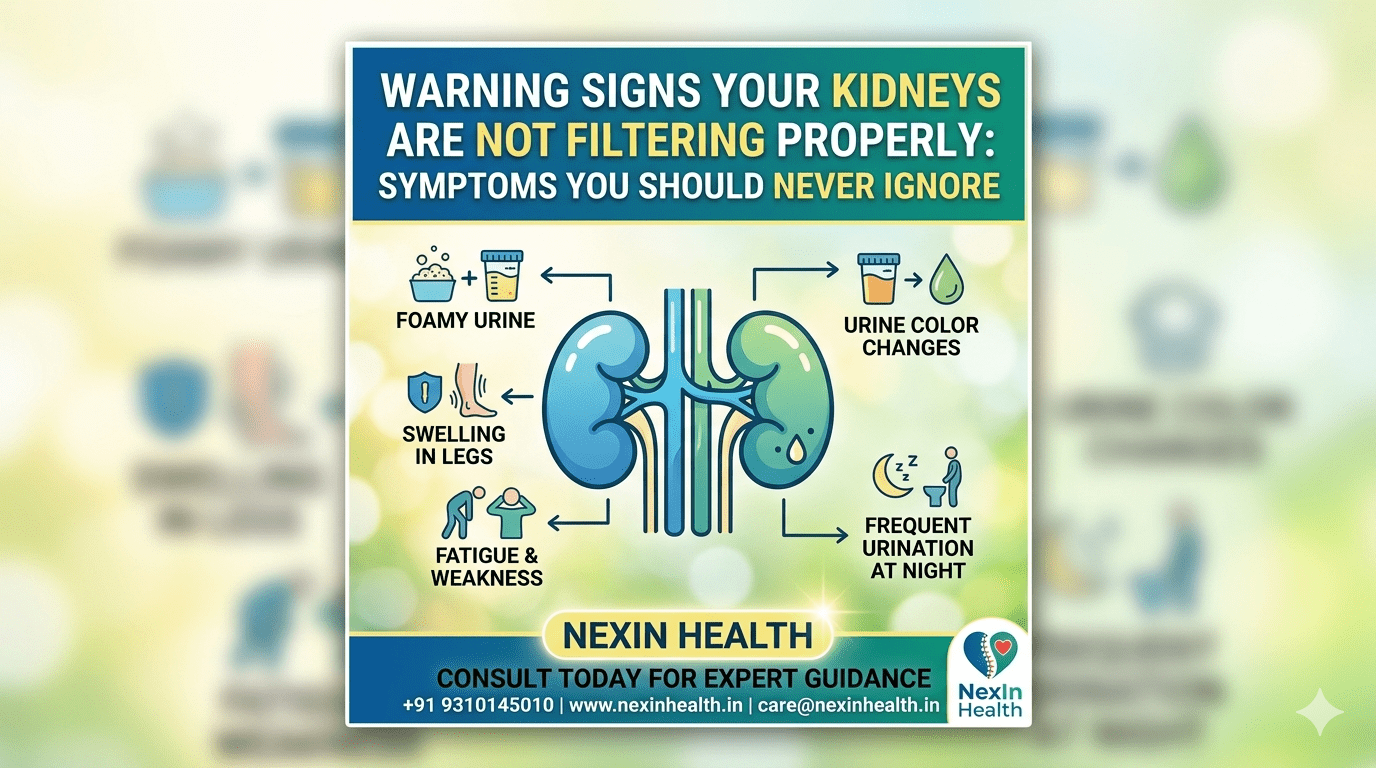



Warning Signs Your Kidneys Are Not Filtering Properly: Symptoms You Should Never Ignore is something many people overlook until it becomes a serious health issue. Your kidneys work silently every day to filter waste, remove toxins, balance fluids, and control blood pressure. But when they stop functioning properly, your body starts giving subtle warning signals.
The problem is — these symptoms are often mild in the beginning and easy to ignore. By the time you notice something serious, kidney damage may already be advanced. That is why understanding the Warning Signs Your Kidneys Are Not Filtering Properly: Symptoms You Should Never Ignore is extremely important for early detection and prevention.
According to medical studies, early detection can slow or even prevent kidney damage in many cases.
To understand Warning Signs Your Kidneys Are Not Filtering Properly: Symptoms You Should Never Ignore, you must first understand how kidneys function.
Kidneys are bean-shaped organs that filter around 180–200 liters of blood daily. They remove waste, control fluid balance, regulate blood pressure, and maintain electrolyte levels. They also help in red blood cell production and bone health.
When kidneys are healthy, they keep important nutrients in the body and remove harmful toxins through urine. But when kidney function declines, waste products start building up in the bloodstream.
This leads to multiple issues such as:
This is how kidney function decline symptoms begin to appear gradually.
If you notice bubbles or foam in your urine frequently, it may be a sign of protein in urine symptoms. Normally, kidneys prevent protein loss, but when filters are damaged, protein leaks into urine.
What to do:
Changes in urine color — dark yellow, brown, or red — can indicate kidney issues. Blood in urine or concentrated urine are early kidney damage warning signs.
What to do:
Waking up multiple times at night to urinate is one of the signs of kidney failure in early stage. It happens when kidneys cannot properly concentrate urine.
What to do:
Swelling in feet, ankles, or face happens when kidneys cannot remove excess fluid. This is a clear swelling in legs kidney issue symptom.
What to do:
Feeling tired all the time may be linked to poor kidney function. Waste buildup and anemia caused by kidney issues lead to low energy levels.
This explains the fatigue and kidney disease connection.
What to do:
One of the most ignored yet important Warning Signs Your Kidneys Are Not Filtering Properly: Symptoms You Should Never Ignore is constant itching or dry skin. When kidneys fail to remove toxins and maintain mineral balance (like calcium and phosphorus), these waste products build up in the blood. This condition can lead to severe dryness, irritation, and itching known as uremic pruritus.
Many people assume this is just a skin problem and use creams or lotions, but the root cause can be internal. Over time, this imbalance can also affect bone health and overall metabolism.
What to do:
Breathlessness is another serious symptom that should never be ignored. When kidneys are not functioning properly, fluid may accumulate in the lungs, making it difficult to breathe. Additionally, kidneys produce a hormone that helps in red blood cell formation. When this process is affected, it leads to anemia, reducing oxygen supply in the body.
This is why many patients experience fatigue along with breathing difficulty. This condition is directly related to kidney function decline symptoms and may indicate advanced kidney issues if left untreated.
What to do:
Loss of appetite is often overlooked, but it can be a strong sign of kidney problems. When waste builds up in the bloodstream, it can cause nausea, vomiting, and a metallic taste in the mouth. This leads to reduced food intake and eventually weight loss.
This symptom is commonly seen in chronic kidney disease early symptoms and indicates toxin accumulation in the body. If ignored, it can worsen nutritional health and weaken the immune system.
What to do:
Muscle cramps, especially in the legs, are often linked to poor kidney function. Kidneys help regulate electrolyte balance, including sodium, potassium, and calcium. When this balance is disturbed, muscles and nerves cannot function properly, leading to cramps and pain.
This is one of the lesser-known kidney damage warning signs, but it plays an important role in early detection. Frequent cramps may indicate that your body is struggling to maintain proper mineral levels.
What to do:
When toxins accumulate in the blood due to poor kidney function, they can affect brain performance. This can lead to confusion, poor concentration, memory issues, and even dizziness.
This symptom is often ignored or blamed on stress, but it may indicate serious kidney function decline symptoms. Reduced oxygen supply due to anemia also contributes to mental fatigue and lack of focus.
What to do:
Understanding Warning Signs Your Kidneys Are Not Filtering Properly: Symptoms You Should Never Ignore becomes easier when you know what is happening inside your body. Kidneys act like natural filters. When they stop working properly, waste, toxins, and excess fluids start accumulating in the bloodstream.
This buildup affects multiple organs including the heart, brain, lungs, and muscles. For example, fluid retention leads to swelling and breathlessness, while toxin buildup causes fatigue, itching, and confusion.
Another important factor is reduced blood flow to the kidneys. In conditions like dehydration or high blood pressure, the kidneys do not receive enough oxygen and nutrients. This results in gradual damage and triggers kidney damage warning signs.
In simple terms:
According to clinical studies, early identification of these symptoms can slow down kidney damage significantly.
One of the most important markers of kidney health is creatinine. Creatinine is a waste product formed by muscle metabolism and removed by the kidneys. When kidney function declines, creatinine levels in the blood increase.
Monitoring creatinine levels and kidney health helps doctors understand how well your kidneys are filtering waste.
Normal creatinine range:
If levels rise above normal, it may indicate reduced kidney function or damage. However, creatinine alone is not enough — it is often combined with other tests for accurate diagnosis.
What increases creatinine?
Regular blood tests are essential, especially for people with diabetes or high blood pressure.
Another crucial test for kidney health is the GFR (Glomerular Filtration Rate). Understanding the GFR test meaning and importance is key to early detection of kidney disease.
GFR measures how well your kidneys are filtering blood. It is calculated using creatinine levels, age, gender, and body size.
GFR Levels:
A low GFR indicates poor filtration and is one of the earliest indicators of kidney problems.
Why GFR is important:
Doctors often combine GFR with urine tests to confirm diagnosis.
A blood test for kidney function is one of the simplest and most effective ways to detect kidney problems early. These tests measure waste products and electrolyte levels in the blood.
Key tests include:
These tests help identify urea and creatinine levels normal range and detect abnormalities before symptoms become severe.
Regular testing is recommended for:
To truly understand the Warning Signs Your Kidneys Are Not Filtering Properly: Symptoms You Should Never Ignore, it is important to know who is at higher risk. Kidney disease does not happen overnight. It develops slowly due to certain health conditions and lifestyle habits.
The most common risk factors include diabetes and high blood pressure. High blood sugar damages tiny blood vessels in the kidneys, while high blood pressure puts extra strain on kidney filters. Over time, this leads to chronic kidney disease early symptoms.
Other risk factors include:
According to research, people with these conditions are more likely to experience kidney function decline symptoms without realizing it.
Many people ask about how to check kidney function at home, but it’s important to understand that kidneys cannot be fully tested without medical tests. However, you can monitor early warning signs at home.
Watch for these signs:
You can also monitor:
These simple checks help identify early kidney damage warning signs before they become serious.
However, home monitoring is not a replacement for medical tests. Regular lab tests are necessary for accurate diagnosis.
Preventing kidney disease is easier than treating it. By following simple habits, you can reduce the risk of developing serious kidney problems.
Water intake for kidney health is extremely important. Drinking enough water helps kidneys flush out toxins and maintain proper filtration.
Key prevention tips:
These habits are essential for maintaining long-term kidney health and avoiding kidney damage warning signs.
Diet plays a crucial role in preventing kidney problems. Following the best diet for kidney health in summer can help maintain hydration and reduce toxin buildup.
Include these foods:
Also focus on hydrating foods for kidney health like coconut water, lemon water, and fruits with high water content.
Foods to avoid for kidney patients:
Proper nutrition helps reduce urine concentration and kidney stones risk and supports overall kidney function.
Understanding Warning Signs Your Kidneys Are Not Filtering Properly: Symptoms You Should Never Ignore is incomplete without knowing when to seek medical help. Many people ignore early symptoms thinking they are minor, but delaying diagnosis can lead to serious complications like kidney failure.
You should consult a doctor if you notice:
These are clear when to see a doctor for kidney problems indicators. Early medical intervention can slow disease progression and prevent complications.
Doctors may recommend:
| Method / Approach | Purpose | Benefits | Limitations |
|---|---|---|---|
| Blood Test (Creatinine, Urea) | Check waste levels | Early detection | Needs lab |
| GFR Test | Measure kidney filtration | Accurate staging | Requires calculation |
| Urine Test (uACR) | Detect protein leakage | Early diagnosis | Needs repeat tests |
| Ultrasound | Structural analysis | Detect stones/damage | Not for early function |
| Lifestyle Changes | Prevention | Safe & natural | Needs consistency |
| Medications | Control symptoms | Effective | Requires monitoring |
NexIn Health is a trusted healthcare provider specializing in heart and spine care using advanced non-invasive integrated techniques. With over 14+ years of experience and 30,000+ patients treated, NexIn Health focuses on holistic healing and long-term wellness.
📞 Phone / WhatsApp: +91 9310145010
🌐 Website: www.nexinhealth.in
📧 Email: care@nexinhealth.in
Read More: Advanced EECP Therapy in Noida
Consult today for expert guidance and personalized treatment.
Warning Signs Your Kidneys Are Not Filtering Properly: Symptoms You Should Never Ignore should never be taken lightly. Kidney disease is often called a “silent disease” because symptoms appear late.
By understanding early warning signs, maintaining a healthy lifestyle, and getting regular tests, you can protect your kidney health effectively.
Remember: Early detection = Better prevention + Better life
1. What are the early signs of kidney problems?
Early signs include fatigue, swelling, foamy urine, and frequent urination.
2. How do I know if my kidneys are not filtering properly?
Blood tests (creatinine, GFR) and urine tests can confirm kidney function.
3. What is normal creatinine level?
Normal range is around 0.6–1.3 mg/dL depending on gender.
4. What is GFR and why is it important?
GFR measures kidney filtration ability and helps detect kidney disease stage.
5. Can kidney problems be reversed?
Early-stage kidney damage can often be managed and slowed with treatment.
6. What causes kidney damage?
Diabetes, high BP, dehydration, and unhealthy lifestyle are major causes.
7. Is foamy urine serious?
Yes, it may indicate protein leakage and kidney issues.
8. Why do kidney patients feel tired?
Due to toxin buildup and reduced red blood cells (anemia).
9. Can dehydration damage kidneys?
Yes, long-term dehydration reduces blood flow to kidneys.
10. How much water is good for kidneys?
Around 8–10 glasses daily (depends on individual condition).
11. What foods are bad for kidneys?
High salt, processed foods, sugary drinks, excess protein.
12. Can kidney disease be detected early?
Yes, through blood and urine tests.
13. Who is at high risk of kidney disease?
People with diabetes, BP, obesity, or family history.
14. Can I check kidney health at home?
You can monitor symptoms, but tests are required for confirmation.
15. When should I see a doctor?
If symptoms persist or worsen, consult immediately.


Experience

Certified Therapists

Satisfied Patients
Contact us