The 2026 Nutrition Revolution: Why Everything We Knew About Fats Was Wrong
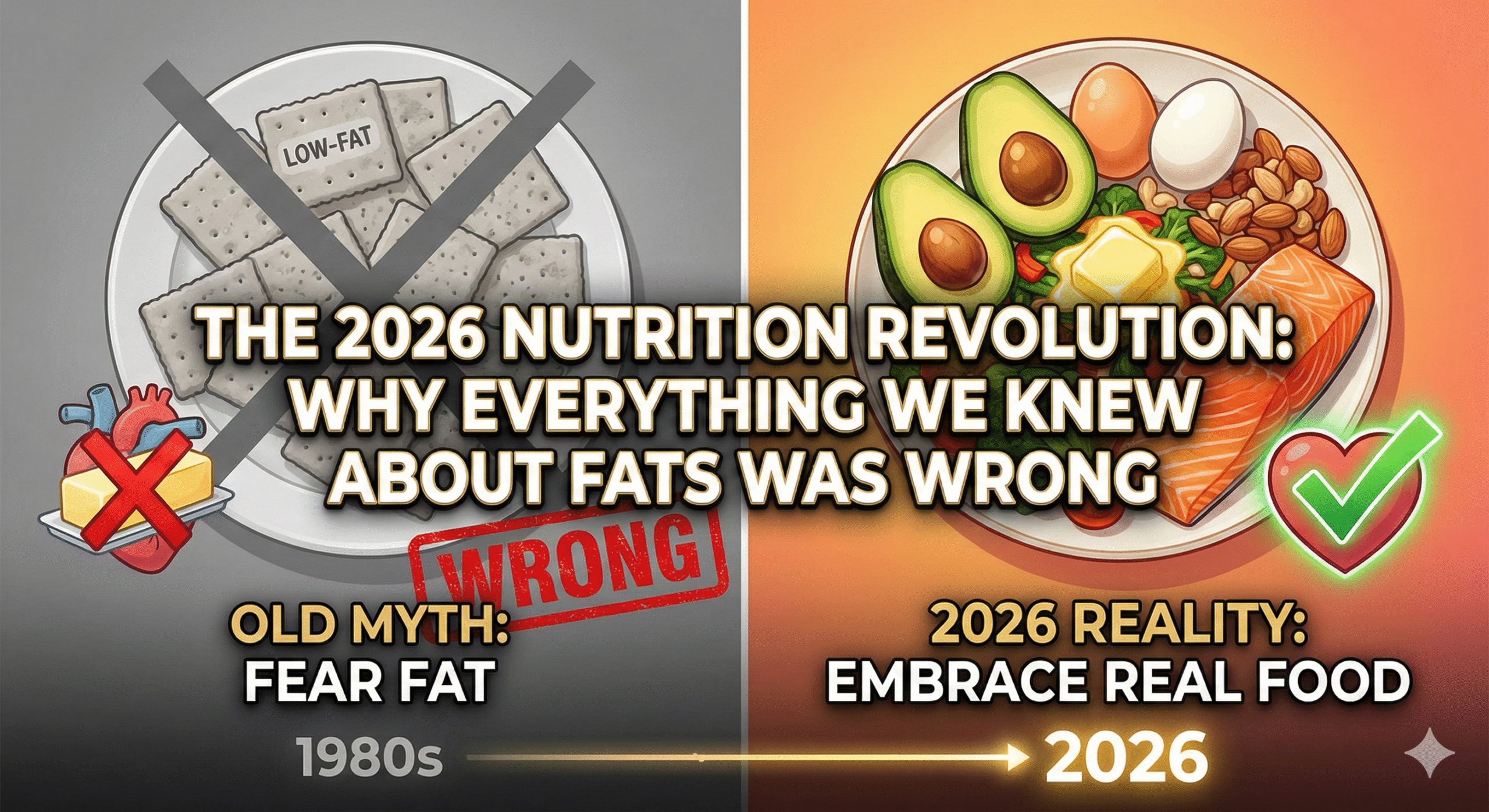


Why Everything We Knew About Fats Was Wrong is a statement that is changing the medical world in 2026. For decades, heart patients have been told to put down the butter, avoid eggs, and switch to “low-fat” options. We were promised better health, but instead, we saw a rise in obesity and diabetes.
Today, we are looking at a major shift in our understanding. The official 2026 dietary updates have revealed that our fear of natural fats was misplaced. If you are a heart patient or managing diabetes, understanding Why Everything We Knew About Fats Was Wrong is crucial for your recovery. This blog will break down the science, the myths, and the new path to heart health in simple language.
Here are some surprising facts that highlight Why Everything We Knew About Fats Was Wrong:
Sugar, Not Fat, is the Culprit: When companies removed fat from food to make it “low-fat,” they added sugar to make it taste good. This sugar turns into dangerous fat in your liver.
The 2026 Update: On January 7, 2026, new guidelines shifted focus from “counting calories” to eating “real food.”
Cholesterol isn’t the Enemy: Cholesterol is often a repair crew sent by the body to fix inflammation caused by sugar and refined grains.
Military Health Crisis: Statistics show that nearly 77% of young people are ineligible for military service due to obesity, largely driven by the old low-fat, high-carb diet advice.
Brain Health: Your brain is made of nearly 60% fat. Starving your body of good fats can affect mental clarity and mood.
To understand Why Everything We Knew About Fats Was Wrong, we have to look back at the 1980s. This was the era when dietary fats myths began to take over. Doctors believed that eating fat made you fat and clogged your arteries.
Because of this belief, the market was flooded with “light” and “diet” products. However, these processed foods were full of refined carbohydrates. New research on dietary fats confirms that when you remove natural fat and replace it with carbs, your insulin levels spike.
High insulin locks fat into your cells and prevents you from burning it. This explains why people continued to gain weight despite following strict diets. This historical error is the core reason Why Everything We Knew About Fats Was Wrong.
For a long time, patients were terrified of cholesterol. The connection between cholesterol and dietary fats was misunderstood. We were told that eating eggs or butter would directly raise the cholesterol in our blood and stop our hearts.
However, the liver produces most of the cholesterol in your body. If you eat less, your liver makes more. Why Everything We Knew About Fats Was Wrong becomes clear when we realize that cholesterol acts like a bandage.
When your arteries are damaged by inflammation (usually from high sugar intake or smoking), cholesterol patches the wall. Blaming cholesterol for heart disease is like blaming the firefighter for the fire. The real issue is the inflammation that caused the damage in the first place.
Not all fats are created equal. The confusion between healthy fats vs unhealthy fats is why many heart patients struggle. The 2026 guidelines make a clear distinction.
Good Fats for Heart Health:
Saturated Fats: Found in ghee, butter, and coconut oil. These are stable and good for cooking.
Monounsaturated Fats: Found in olive oil and avocados.
Omega-3 Fats: Found in fatty fish and walnuts.
The Real Villains:
Trans Fats: Found in margarine and store-bought bakery items. Trans fats and heart disease are directly linked because these artificial fats harden your arteries.
Vegetable Oils (High Omega-6): Oils like soybean or corn oil can increase inflammation if consumed in large amounts.
Understanding this difference is a key part of Why Everything We Knew About Fats Was Wrong.
Perhaps the biggest debate has been the saturated fat controversy. For years, we were told saturated fat causes heart attacks. However, Why Everything We Knew About Fats Was Wrong regarding saturated fat is based on how the body processes it.
Natural saturated fats, like those in dairy or meat, do not spike insulin. They provide steady energy. The problem arises when you eat saturated fats with high sugar (like a donut). The sugar causes the damage, but the fat gets the blame.
Updated nutrition guidelines now suggest that natural saturated fats, eaten in moderation without refined carbs, are safe for most people. This changes the entire approach to fat and heart health.
Let’s look at fat metabolism explained simply. Think of your body as a hybrid car. It can run on sugar (glucose) or fat.
When you eat a high-carb diet, your body runs on sugar. Any extra sugar is stored as fat. Because your insulin is high, you can never access that stored fat for energy.
When you eat healthy fats and lower your carbs, your insulin drops. Your body switches modes and starts burning fat for fuel. This is why the premise of Why Everything We Knew About Fats Was Wrong is so important for weight loss and metabolic health.
Chronic inflammation is the root cause of heart disease. The role of fats in inflammation is significant.
The old advice to eat vegetable oils (rich in Omega-6) actually increased inflammation in our bodies. We need a balance of omega-3 and omega-6 fats. Most modern diets are too high in Omega-6.
By switching to good fats for heart health like Omega-3s (fish oil, flaxseeds) and reducing seed oils, you reduce the fire inside your arteries. This anti-inflammatory approach is central to Why Everything We Knew About Fats Was Wrong.
The most simple rule of the 2026 revolution is: processed fats vs natural fats.
Natural Fats: Come from nature (Cow, Coconut, Olive, Fish). The body knows how to digest them.
Processed Fats: Created in a factory (Hydrogenated oils, refined seed oils). The body struggles to process these, leading to cell damage.
Recognizing that nature is not the enemy is the lesson of Why Everything We Knew About Fats Was Wrong.
While understanding Why Everything We Knew About Fats Was Wrong is vital, integrating natural remedies can speed up healing.
Arjuna Bark: Known in Ayurveda as a heart tonic, it strengthens heart muscles.
Garlic: Helps lower blood pressure and prevents blood clots naturally.
Guggul: Helps in managing healthy cholesterol levels.
Flaxseeds: A great vegetarian source of Omega-3 to balance fats.
Turmeric (Curcumin): A powerful anti-inflammatory that heals arterial damage.
Using these herbs along with a diet rich in good fats supports the philosophy that Why Everything We Knew About Fats Was Wrong.
If you have suffered from heart disease due to years of following incorrect diet advice (the basis of Why Everything We Knew About Fats Was Wrong), changing your diet is step one. But what about existing blockages?
EECP (Enhanced External Counter Pulsation) is a “Natural Bypass” therapy.
How it works: It increases blood flow to the heart by compressing blood vessels in the lower limbs.
Benefits: It promotes the formation of new natural blood vessels (collaterals) in the heart.
Who is it for? Patients with angina, heart failure, or those wanting to avoid surgery.
Combining the correct fat intake with EECP can vastly improve heart function.
To summarize Why Everything We Knew About Fats Was Wrong, look at this comparison:
| Feature | Old Guidelines (The “Low-Fat” Era) | 2026 Nutrition Revolution (The Real Food Era) |
| Primary Goal | Lower Cholesterol at all costs. | Reduce Inflammation and Insulin Resistance. |
| Eggs | Limit to 2-3 per week (fear of yolk). | Considered a Superfood (eat the yolk). |
| Butter/Ghee | Dangerous; avoid strictly. | Healthy in moderation; stable for cooking. |
| Cooking Oils | Vegetable/Seed oils recommended. | Coconut, Olive oil, and Ghee recommended. |
| Sugar | “Okay in moderation.” | The primary cause of metabolic disease. |
| Fat Source | “Low-fat” processed snacks. | Whole foods (Nuts, Avocados, Cheese). |
We must ask Why Everything We Knew About Fats Was Wrong failed so many people. The low-fat diet removed the feeling of fullness (satiety). Fat signals your brain that you are full.
Without fat, people were constantly hungry. They snacked more on crackers, breads, and sugary treats. This constant eating kept blood sugar high, leading to type 2 diabetes. Low-fat diet myths actually contributed to the epidemics we are trying to fight today.
Knowing Why Everything We Knew About Fats Was Wrong is step one. Here is how to live it:
Stop fearing the yolk: Eat whole eggs.
Ditch the margarine: Use real butter or ghee.
Check labels: If it says “Low Fat,” check the sugar content. It’s likely high.
Cook at home: Control your oils. Avoid restaurant food cooked in cheap seed oils.
Focus on “Real Food”: If it comes in a box with 20 ingredients, avoid it.
Many people think sugar causes diabetes, but they don’t realize that fat and heart health are connected to diabetes too. The revelation of Why Everything We Knew About Fats Was Wrong helps diabetics too.
Healthy fats do not raise blood sugar. They have a glycemic index of zero. By increasing healthy fats and lowering carbs, diabetics can stabilize their blood glucose levels significantly.
The realization of Why Everything We Knew About Fats Was Wrong gives us power. We no longer need to fear the foods that sustained our ancestors. By focusing on whole, unprocessed foods and healthy fats, we can heal our metabolism.
Whether you are preventing heart disease or managing it, remember that the science has changed. Why Everything We Knew About Fats Was Wrong is not just a headline; it is a chance for a healthier future.
Que: Is eating ghee really safe for heart patients?
Ans: Yes, according to the new understanding of Why Everything We Knew About Fats Was Wrong, pure ghee contains healthy fats and vitamins. It should be consumed in moderation, replacing refined vegetable oils.
Que: Will eating eggs raise my bad cholesterol?
Ans: For most people, dietary cholesterol in eggs does not raise blood cholesterol. Eggs are nutrient-dense and heart-healthy.
Que: What is the worst fat I should avoid?
Ans: Trans fats (partially hydrogenated oils) found in packaged snacks and fast food are the most dangerous fats for your heart.
Que: Can I eat red meat now?
Ans: Unprocessed red meat can be part of a healthy diet, but avoid processed meats like sausages or bacon which contain nitrates and preservatives.
Que: Why was I told to eat low-fat for so long?
Ans: This was based on older, flawed studies from the 1960s. New research on dietary fats has corrected these errors.
Que: How does sugar hurt my heart?
Ans: Sugar causes inflammation in the artery walls. The body uses cholesterol to patch this damage, leading to plaque buildup.
Que: Are all vegetable oils bad?
Ans: Cold-pressed oils like Olive or Avocado oil are good. Highly processed industrial seed oils (like soybean or corn oil) can be pro-inflammatory.
Que: Does this mean I can eat as much fat as I want?
Ans: No. Calories still matter, but the focus is on quality. Eat until you are full, but do not overeat.
Que: What is the best breakfast for a heart patient now?
Ans: A vegetable omelet cooked in a little butter or coconut oil is far better than sugary cereals or toast.
Que: How can I reverse heart disease naturally?
Ans: By combining a “Real Food” diet low in sugar and high in healthy fats, along with therapies like EECP and stress management.
At NexIn Health, we specialize in non-invasive, integrated treatments for heart and spine conditions. With over 14 years of experience and having consulted 30,000+ patients, we are experts in helping you heal without surgery. We combine advanced therapies like EECP with holistic lifestyle changes.
📞 Phone / WhatsApp: +91 9310145010
🌐 Website: www.nexinhealth.in
📧 Email: care@nxinhealth.in


Experience

Certified Therapists

Satisfied Patients
Contact us