Why Young People Are Getting Heart Attacks With Normal Cholesterol
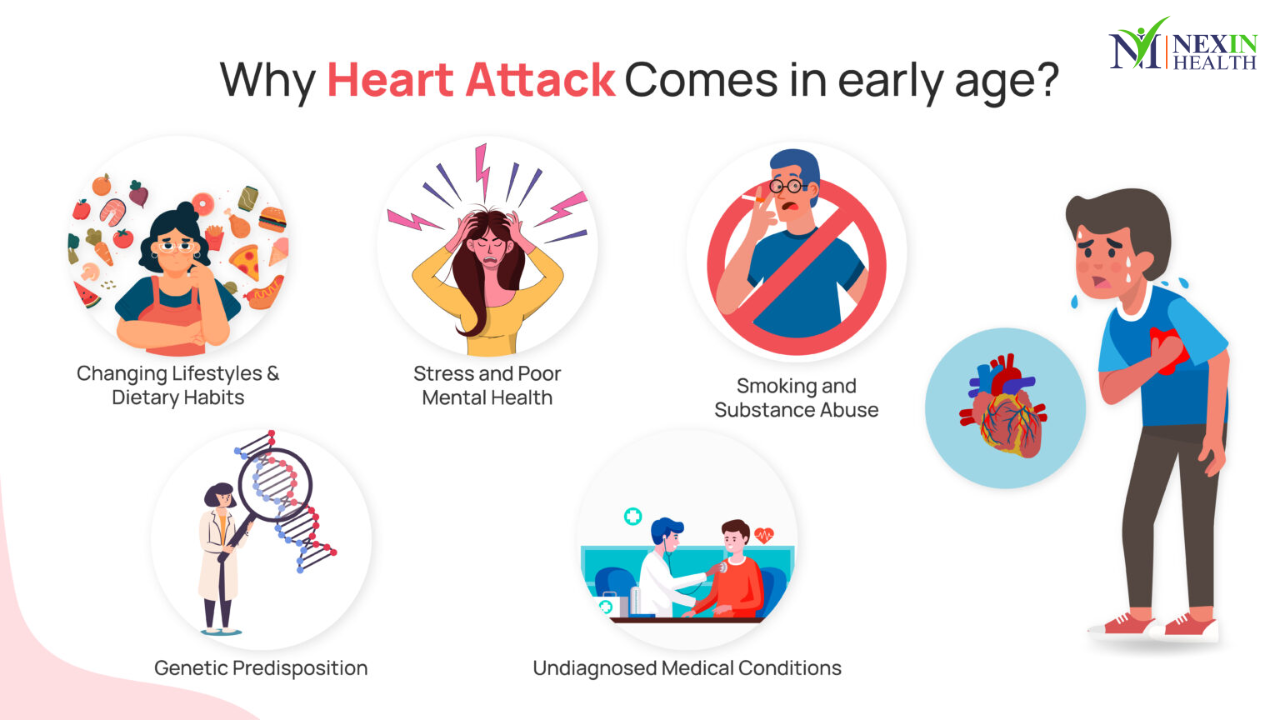



Why Young People Are Getting Heart Attacks: The alarming rise in heart attacks among young adults with seemingly perfect cholesterol levels has become a growing concern for cardiologists worldwide. While we’ve long been taught that high cholesterol is the primary culprit behind cardiovascular disease, recent medical evidence reveals a more complex picture. Young professionals in their 20s and 30s, with cholesterol readings well within normal ranges, are increasingly experiencing sudden cardiac events that leave both patients and doctors searching for answers.
🚨 Shocking Statistics:
💡 Eye-Opening Facts:
🔍 Lesser-Known Triggers:
The conventional approach to heart disease prevention has focused heavily on managing cholesterol levels, blood pressure, and diabetes. However, emerging research suggests that the mechanisms behind heart attacks in young people are far more nuanced than previously understood.
Inflammation: The Silent Destroyer
Chronic inflammation has emerged as a significant factor in early cardiovascular disease. Unlike cholesterol buildup, which occurs gradually over decades, inflammation can rapidly destabilize arterial walls, leading to sudden blockages. Recent clinical trials suggest that measuring inflammatory markers like C-reactive protein (CRP) may be more predictive of heart attack risk in young adults than traditional cholesterol tests.
Genetics: The Unavoidable Factor
Familial hypercholesterolemia affects 1 in 250 people globally, but many individuals with normal cholesterol levels still carry genetic variants that increase cardiovascular risk. These genetic factors can cause heart attacks regardless of lifestyle choices or cholesterol management.

Young professionals today face unprecedented levels of chronic stress. The body’s response to prolonged stress involves releasing hormones like cortisol and adrenaline, which can:
According to a Harvard study, individuals experiencing high work stress have a 40% higher risk of cardiovascular events, even with optimal cholesterol levels.
The digital revolution has created a generation of young adults who spend 8-12 hours daily in sedentary positions. This lifestyle pattern contributes to:
Metabolic dysfunction – Even with normal weight and cholesterol Poor circulation – Increasing clot formation risk Reduced heart muscle efficiency – Making the heart work harder
Air quality in metropolitan areas significantly impacts cardiovascular health. Fine particulate matter (PM2.5) can penetrate deep into the cardiovascular system, triggering inflammatory responses that lead to heart attacks in otherwise healthy individuals.
Recent epidemiological data reveals disturbing trends:
Recognizing risk factors beyond cholesterol provides several advantages:
Early Detection: Comprehensive screening can identify at-risk individuals before symptoms appear Targeted Prevention: Personalized interventions based on individual risk profiles Better Outcomes: Addressing multiple risk factors simultaneously improves long-term prognosis
Unlike the dramatic chest pain depicted in movies, young adults often experience:
Women under 40 are particularly vulnerable to misdiagnosis because their symptoms often differ from typical presentations:
Modern cardiovascular prevention requires looking beyond basic cholesterol panels:
Advanced Lipid Testing: Measures particle size and number, not just total cholesterol Inflammatory Markers: CRP, interleukin-6, and other markers of systemic inflammation Genetic Screening: Identifying hereditary risk factors Coronary Calcium Scoring: Early detection of arterial calcification
Stress Management Techniques
Optimal Nutrition Strategies
Exercise for Heart Health
Young adults should consult cardiologists if they experience:
Even with normal cholesterol, regular monitoring should include:
Young hearts respond differently to cardiovascular stress than older hearts. The mechanisms include:
Coronary Spasm: Temporary artery constriction without permanent blockage Plaque Rupture: Small, unstable plaques can cause major blockages Electrical Disturbances: Sudden rhythm changes without structural abnormalities
Emerging technologies and approaches show promise:
If you’re a young adult concerned about cardiovascular risk:
1. Can I have a heart attack with perfect cholesterol levels? Yes, approximately 20% of heart attacks occur in people with normal cholesterol. Other factors like inflammation, genetics, stress, and lifestyle play significant roles in cardiovascular risk.
2. What age should I start worrying about heart disease? Cardiovascular risk assessment should begin by age 20, especially if you have family history. However, lifestyle factors and regular screening become crucial by age 30.
3. Are energy drinks really dangerous for my heart? Energy drinks can cause dangerous heart rhythm abnormalities, especially when combined with physical activity or stress. Young adults with underlying heart conditions are particularly vulnerable.
4. How does stress actually cause heart attacks? Chronic stress releases hormones that increase blood pressure, promote inflammation, and make blood more likely to clot. Acute stress can trigger spasm in coronary arteries.
5. Should I get genetic testing for heart disease? If you have family history of early heart disease or unexplained cardiovascular symptoms, genetic counseling and testing can provide valuable information for prevention strategies.
6. What’s the difference between a heart attack and cardiac arrest in young people? A heart attack occurs when blood flow to heart muscle is blocked. Cardiac arrest happens when the heart suddenly stops beating effectively. Young adults are more prone to cardiac arrest from electrical problems.
7. Can air pollution really cause heart attacks? Yes, long-term exposure to air pollution increases cardiovascular risk by promoting inflammation and blood clot formation. Short-term exposure to high pollution levels can trigger acute events.
8. Is it safe to exercise if I’m at risk for heart disease? Regular exercise is generally beneficial and reduces cardiovascular risk. However, if you have concerning symptoms or family history, get medical clearance before starting intense exercise programs.
9. How accurate are fitness trackers for detecting heart problems? Modern fitness trackers can detect irregular heart rhythms and unusual heart rate patterns, but they’re not diagnostic tools. Concerning readings should prompt medical evaluation.
10. What should I do if I experience chest pain during exercise? Stop activity immediately and seek medical attention. Chest pain during physical exertion in young adults should always be evaluated by a healthcare professional, even if cholesterol levels are normal.
Also Read:
EECP Treatment for Heart Failure
Track Heart Failure with 6 Minute Walk Test
_____________________________________________________________________________
Mr. Vivek Singh Sengar is the Founder of Fit My Heart and a leading Integrated Health Practitioner & Clinical Nutritionist at NEXIN HEALTH and MD City Hospital Noida. With over 13 years of experience, Vivek has treated more than 25,000 patients suffering from lifestyle diseases like heart disease, diabetes, and obesity through non-invasive, drugless, and nutrition-focused therapies.
His expertise combines modern medical knowledge with traditional Indian healing practices to provide comprehensive care for heart failure patients. Vivek’s approach focuses on sustainable lifestyle modifications, nutritional therapy, and patient education to achieve optimal cardiovascular health outcomes.
Get Expert Guidance for Your Heart Health:
📧 Email: care@nexinhealth.in
📞 Phone: +91 93101 45010
💬 WhatsApp: Click to Chat
Take the first step towards better heart health today. Contact our team for personalized heart failure management plans tailored to your specific needs and lifestyle.


Experience

Certified Therapists

Satisfied Patients
Contact us