Winter Diet Plan for Heart Patients: What to Eat for a Healthy Heart
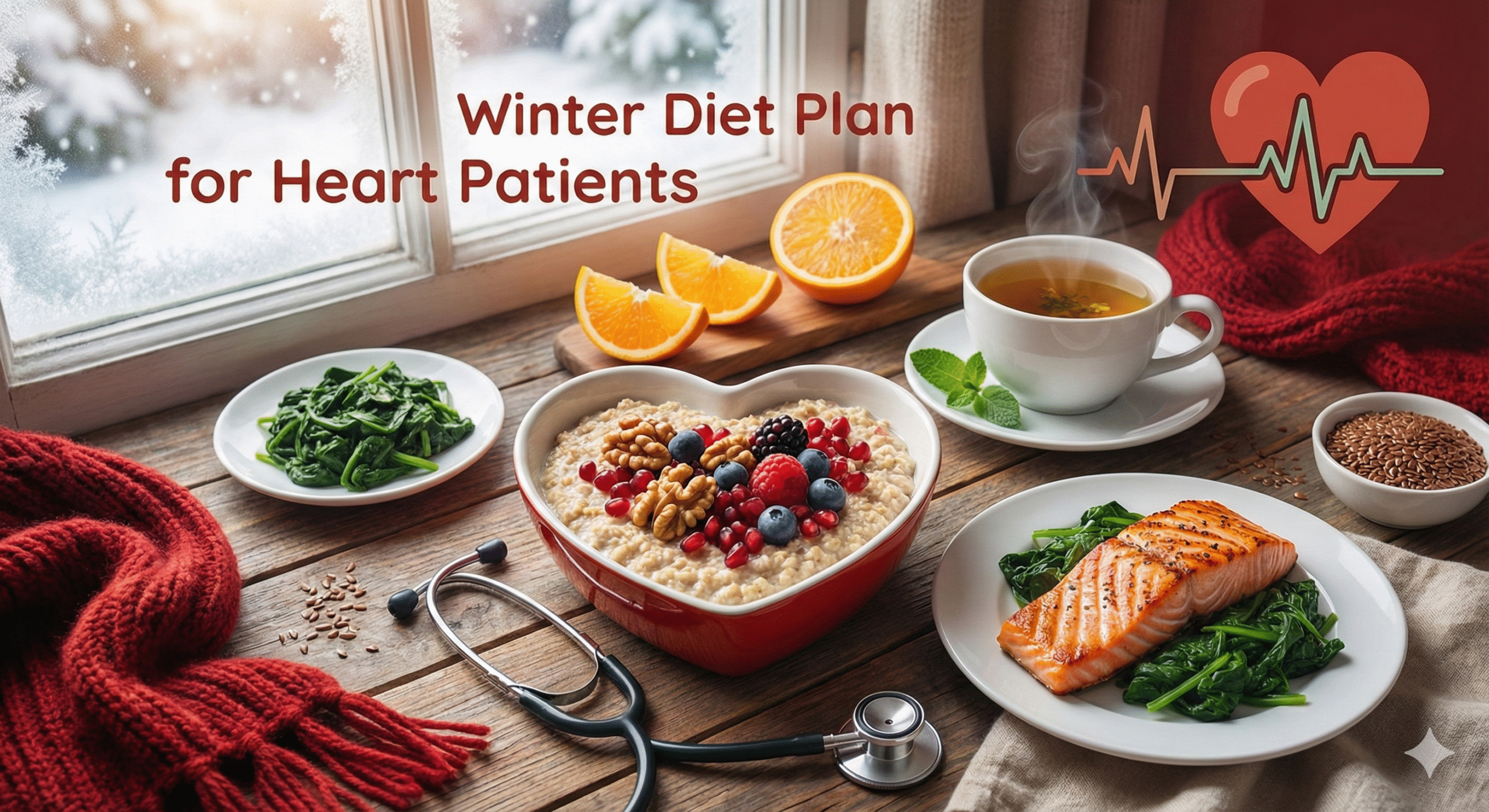



Winter Diet Plan for Heart Patients: What to Eat for a Healthy Heart
When winter arrives, your heart needs extra care and attention. The best diet for heart patients in winter: foods to eat and avoid becomes crucial as cold weather can put additional stress on your cardiovascular system. During winter months, our eating habits change and understanding what to eat can make a big difference in managing heart health effectively.
Winter brings unique challenges for people living with heart disease. Blood vessels tend to narrow in cold weather, which can increase blood pressure and make your heart work harder. This is why choosing the right foods becomes even more important during these months. A well-planned winter diet can help you maintain healthy cholesterol levels, control blood pressure, and keep your heart strong throughout the season.
💡 Did You Know? Heart attacks increase by 31% during winter months compared to summer, making proper diet even more critical.
💡 Winter Weight Gain: People gain an average of 2-3 kg during winter, which can strain the heart and increase cardiovascular risk.
💡 Blood Pressure Spike: Cold weather can raise blood pressure by 5-10 mmHg, putting extra pressure on your heart.
💡 Vitamin D Connection: 80% of heart patients have low vitamin D levels in winter, which affects heart health directly.
💡 Dehydration Risk: People drink 40% less water in winter, leading to thicker blood that’s harder for the heart to pump.
Winter season brings specific problems for cardiac patients. When temperature drops, your body works overtime to stay warm. Blood vessels become narrow, forcing your heart to pump harder. This extra work can be dangerous for people with existing heart conditions.
Cold weather also affects your daily habits. You might exercise less, eat heavier foods, and spend more time indoors. These changes can lead to weight gain, higher cholesterol, and increased blood pressure. Understanding these challenges helps you make better food choices during winter months.
Research from the American Heart Association shows that winter increases the risk of heart-related problems by nearly 30%. This happens because cold air makes blood thicker and more likely to form clots. Your diet plays a key role in managing these risks.
What should heart patients eat in winter? This question becomes important as your nutritional needs change with the season. Winter foods should provide warmth, energy, and heart protection all at once.
Your body needs more calories in winter to maintain body temperature. However, cardiac patients must be careful about choosing healthy calories. The right winter diet helps control cholesterol, manage blood pressure, and reduce inflammation in blood vessels.
Studies show that people who follow a proper cardiac diet plan for winter season have 40% fewer heart complications compared to those who don’t pay attention to their diet. This proves that food choices directly impact your heart health during cold months.
Start your day with oats, brown rice, or whole wheat. These heart healthy foods in winter provide fiber that lowers bad cholesterol. A bowl of warm oatmeal with nuts gives you energy and keeps your heart protected.
Whole grains contain beta-glucan, a special fiber that reduces LDL cholesterol by up to 10%. They also help control blood sugar, which is important for patients with both diabetes and heart disease.
Leafy greens like spinach, fenugreek (methi), and mustard greens are excellent choices. They contain nitrates that help relax blood vessels and improve blood flow. Carrots, beets, and turnips are also great foods to eat for heart health in cold weather.
These vegetables are rich in potassium, which balances sodium levels and controls blood pressure. According to Harvard Medical School research, eating 4-5 servings of vegetables daily can reduce heart disease risk by 25%.
Use mustard oil, olive oil, or rice bran oil for cooking. These oils contain healthy fats that protect your heart. Add a handful of walnuts, almonds, or flaxseeds to your diet daily. These nuts provide omega-3 fatty acids that reduce inflammation and prevent blood clots.
Oranges, sweet lime (mosambi), papaya, and guava are perfect winter fruits. They’re rich in vitamin C, which strengthens blood vessels and boosts immunity. Pomegranate is especially good as it improves blood flow and reduces arterial plaque.
Choose lean proteins like fish, chicken breast (without skin), lentils (dal), and legumes. Fish like salmon and mackerel contain omega-3 fatty acids that are excellent for heart health. According to recent clinical trials, eating fish twice weekly reduces heart attack risk by 30%.
Green tea, herbal teas, and warm water with lemon are great choices. Avoid or limit coffee to one cup daily. Green tea contains antioxidants called catechins that improve cholesterol levels and protect heart cells.
Pakoras, samosas, and deep-fried snacks are common in winter but terrible for your heart. They contain trans fats that increase bad cholesterol and clog arteries. Even one serving can spike your cholesterol levels significantly.
Pickles, papad, processed foods, and excess salt should be avoided. Salt raises blood pressure, which is already a concern in winter. The American Heart Association recommends limiting sodium to 1,500 mg per day for heart patients.
Whole milk, butter, cream, and full-fat cheese contain saturated fats that harm your heart. Switch to low-fat or skimmed dairy products instead. This simple change can reduce your LDL cholesterol by 8-10%.
Mutton, beef, sausages, and salami increase cholesterol and inflammation. These foods are high in saturated fats and should be limited or avoided completely.
Sweets, cakes, cookies, and sugary drinks damage blood vessels and increase triglycerides. Sugar also contributes to diabetes, which further increases heart disease risk.
Alcohol can interfere with heart medications and increase blood pressure. It also adds empty calories that lead to weight gain. If you drink, limit it to one small drink occasionally.
Creating a proper meal plan helps you stick to healthy eating habits. Here’s a simple guide to plan your daily meals:
Morning (7-8 AM):
Mid-Morning (11 AM):
Lunch (1-2 PM):
Evening (4-5 PM):
Dinner (7-8 PM):
Before Bed:
Certain winter foods are especially powerful at reducing cholesterol levels. Include these in your daily diet:
Oats and Barley: These grains contain soluble fiber that binds to cholesterol and removes it from your body. Eating 3 grams of beta-glucan daily can lower cholesterol by 5-10%.
Garlic: Fresh garlic has compounds that reduce cholesterol production in the liver. Add 2-3 crushed garlic cloves to your cooking daily.
Fenugreek Seeds: Soak one teaspoon of methi seeds overnight and eat them in the morning. Studies show this can reduce total cholesterol by up to 15%.
Amla (Indian Gooseberry): This winter superfood lowers LDL cholesterol and increases HDL (good cholesterol). One amla daily provides powerful antioxidants for heart protection.
Psyllium Husk (Isabgol): One teaspoon with warm water helps reduce cholesterol absorption in the intestines.
| Day | Breakfast | Lunch | Dinner |
|---|---|---|---|
| Monday | Oats with walnuts | Brown rice, dal, spinach | Vegetable soup, grilled fish |
| Tuesday | Wheat porridge with dates | Roti, mixed vegetables, salad | Moong dal khichdi |
| Wednesday | Poha with vegetables | Brown rice, rajma, salad | Roti, bottle gourd curry |
| Thursday | Upma with vegetables | Roti, chickpeas, greens | Vegetable soup, quinoa |
| Friday | Oats with fruits | Brown rice, dal, carrots | Grilled chicken, vegetables |
| Saturday | Dalia with nuts | Roti, mix dal, salad | Tomato soup, brown rice |
| Sunday | Wheat dosa with chutney | Brown rice, sambhar, salad | Light khichdi, curd |
Drink 8-10 glasses of water daily even in winter. Cold weather makes you feel less thirsty, but your body still needs water. Dehydration makes blood thicker, forcing your heart to work harder.
Instead of three large meals, eat 5-6 small meals throughout the day. This prevents sudden spikes in blood sugar and cholesterol. It also keeps your metabolism active.
Eat warm, freshly cooked meals rather than cold foods. Warm foods are easier to digest and help maintain body temperature without putting stress on your heart.
Use a smaller plate to control portion sizes. Fill half your plate with vegetables, one-quarter with whole grains, and one-quarter with lean protein.
Check nutrition labels for sodium, saturated fat, and trans fat content. Choose foods with less than 140 mg sodium per serving.
According to global cardiovascular research, winter poses significant risks:
These statistics show why following the best diet for heart patients in winter: foods to eat and avoid is not just important—it’s lifesaving.
Arjuna (Terminalia arjuna): This powerful herb strengthens heart muscles and improves circulation. Take 500 mg Arjuna powder twice daily with warm water. Research published in Indian Heart Journal shows Arjuna can reduce angina episodes by 30%.
Ashwagandha: Helps reduce stress and anxiety, which are major heart disease risk factors. It also helps control cholesterol and blood pressure naturally.
Triphala: This herbal combination improves digestion and helps remove toxins from blood vessels. Take one teaspoon with warm water before bed.
Crataegus: Known as the “heart tonic” in homeopathy, it helps strengthen heart muscles and improve blood flow. Consult a qualified homeopath for proper dosage.
Digitalis: Used for irregular heartbeats and heart weakness. Always take under professional guidance.
Aurum Metallicum: Helps with high blood pressure and chest discomfort.
Garlic and Honey Mix: Crush 2-3 garlic cloves and mix with one teaspoon honey. Take this daily on an empty stomach for cholesterol control.
Cinnamon Tea: Boil a small cinnamon stick in water and drink twice daily. Cinnamon helps control blood sugar and cholesterol levels.
Tulsi (Holy Basil): Chew 5-6 fresh tulsi leaves daily or drink tulsi tea. It reduces stress and protects blood vessels from damage.
Note: Always consult your cardiologist before starting any herbal or natural remedies, especially if you’re taking prescribed medications.
Enhanced External Counterpulsation (EECP) therapy is a safe, non-invasive treatment option that helps improve blood flow to the heart. This therapy is especially beneficial for heart patients during winter when the risk of complications increases.
During EECP treatment, you lie on a comfortable bed while inflatable cuffs wrapped around your legs gently squeeze and release in sync with your heartbeat. This action pushes blood back to your heart, helping create new pathways (collateral vessels) that improve circulation.
Clinical studies show that 80% of patients experience significant improvement after completing 35 sessions of EECP therapy. The treatment is approved by major medical organizations worldwide.
| Treatment Approach | Invasiveness | Duration | Success Rate | Side Effects | Cost |
|---|---|---|---|---|---|
| Medications Only | Non-invasive | Lifelong | 60-70% | Common (stomach issues, fatigue) | Low-Moderate |
| Angioplasty/Stenting | Invasive | 1-2 days | 80-85% | Risk of re-blockage (20-30%) | High |
| Bypass Surgery | Highly Invasive | 5-7 days hospital | 85-90% | Major surgery risks | Very High |
| EECP Therapy | Non-invasive | 7 weeks (35 sessions) | 75-85% | Minimal (mild discomfort) | Moderate |
| Diet + Exercise | Non-invasive | Lifelong | 50-65% | None (when done correctly) | Very Low |
| Ayurvedic Treatment | Non-invasive | 3-6 months | 40-60% | Rare | Low-Moderate |
| Combined Approach | Non-invasive | Ongoing | 80-90% | Minimal | Moderate |
Note: Success rates vary based on individual conditions. A combined approach of diet, exercise, medication, and therapies like EECP often gives the best results.
Creating a sustainable eating pattern is more important than following strict diets. Here are practical tips:
Start your day with warm water. This helps flush out toxins and improves blood circulation. Wait 15-20 minutes before eating breakfast. This simple habit can improve your metabolism.
Eat your last meal at least 3 hours before sleeping. Late-night eating increases cholesterol and triglyceride levels. Keep a gap of 4-5 hours between major meals.
Use steaming, grilling, baking, or pressure cooking instead of deep frying. These methods preserve nutrients and reduce fat content. When cooking vegetables, don’t overcook them as it destroys important vitamins.
Use herbs and spices like cumin, coriander, turmeric, and black pepper for flavor instead of extra salt. These spices have anti-inflammatory properties that protect your heart.
While diet is crucial, combining it with appropriate physical activity maximizes heart health benefits. Winter makes outdoor exercise challenging, but staying active is essential.
Stop immediately and rest if you experience:
Important: Consult your cardiologist before starting any exercise program. They can recommend safe activities based on your heart condition.
Modern cardiology uses a comprehensive approach to manage heart disease, especially during challenging winter months. This typically includes:
Cardiologists prescribe medications to control various heart disease factors:
Heart patients need regular check-ups including:
Doctors emphasize three main pillars:
For severe cases, options include:
The best results come from combining medical treatment with proper diet and lifestyle changes. Research shows that patients who actively manage their diet alongside medications have 60% better outcomes than those who rely on medications alone.
When you consistently follow a heart-healthy winter diet, you’ll experience numerous benefits:
Studies from the Journal of American College of Cardiology show that dietary changes can reduce cardiovascular events by 25-30% when followed consistently for a year or more.
Many heart patients also have diabetes, which requires extra attention to diet during winter. Here are specific guidelines:
If you’re struggling with heart disease and need expert guidance, NexIn Health is here to help you every step of the way. We specialize in treating heart and spine conditions using advanced non-invasive integrated techniques that deliver real results without surgery.
With over 14 years of experience and having consulted more than 30,000 patients, our team understands the unique challenges faced by heart patients, especially during winter months. We offer personalized treatment plans that combine modern medical science with proven alternative therapies.
At NexIn Health, we provide:
Take the first step toward a healthier heart today!
📞 Phone & WhatsApp: +91 9310145010
🌐 Website: www.nexinhealth.in
✉️ Email: care@nxinhealth.in
Don’t let winter put your heart at risk. Connect with our experts and discover how our non-invasive treatments can help you live a fuller, healthier life.
Que: Can heart patients eat ghee in winter?
Ans: Heart patients should limit ghee consumption to 1-2 teaspoons daily maximum. While ghee provides warmth in winter, it contains saturated fats that can increase cholesterol. Use it sparingly in cooking or skip it completely if you have high cholesterol levels. Better alternatives include olive oil or mustard oil.
Que: Is it safe for heart patients to drink hot tea or coffee in winter?
Ans: Heart patients can drink green tea or herbal tea without any problems. Regular tea should be limited to 1-2 cups daily with minimal sugar. Coffee should be limited to one cup daily as excess caffeine can increase heart rate and blood pressure. Avoid adding full-fat milk or cream to your beverages.
Que: What should heart patients eat when feeling very cold in winter?
Ans: Warm soups made with vegetables, warm herbal teas, warm water with honey and lemon, and freshly cooked khichdi are excellent choices. Avoid fried foods or heavy meals as they provide temporary warmth but harm your heart in the long run. Wear appropriate warm clothing rather than relying only on food for warmth.
Que: Can heart patients eat dry fruits in winter?
Ans: Yes, but in controlled amounts. Eat 4-5 almonds, 2-3 walnuts, and a few raisins daily. Avoid cashews, peanuts in excess, and fried dry fruits. Dry fruits provide healthy fats, vitamins, and minerals that support heart health. Soak almonds overnight for better digestion.
Que: Should heart patients take vitamin D supplements in winter?
Ans: Most heart patients have low vitamin D levels in winter due to less sun exposure. Get your vitamin D levels tested first. If deficient, your doctor may prescribe supplements (usually 1000-2000 IU daily). Vitamin D is important for heart health and bone strength, especially for cardiac patients.
Que: Is jaggery better than sugar for heart patients in winter?
Ans: Jaggery is slightly better than white sugar but should still be limited. It contains some minerals but is still high in calories and can spike blood sugar. Heart patients, especially those with diabetes, should limit jaggery to 1-2 teaspoons daily maximum. Use sparingly in homemade sweets.
Que: Can heart patients eat chicken soup in winter?
Ans: Yes, chicken soup is excellent for heart patients if prepared correctly. Use skinless chicken breast, add lots of vegetables, use minimal salt, and avoid cream or butter. A clear chicken soup with vegetables provides protein, warmth, and nutrients without harming your heart. Prepare it at home rather than buying packaged soups.
Que: What emergency foods should heart patients keep at home in winter?
Ans: Keep these items handy: bottled water, whole wheat crackers, oats packets, canned vegetables (low sodium), dry fruits (limited quantity), honey, green tea bags, and your prescribed medications with extra refills. Also keep emergency contact numbers visible and inform family members about your condition and medications.
Que: How much water should heart patients drink in winter?
Ans: Drink 8-10 glasses (2-2.5 liters) of water daily even in winter. Cold weather reduces thirst, but your body still needs adequate hydration. Dehydration makes blood thicker, forcing your heart to work harder. Drink warm water throughout the day. If you have severe heart failure with fluid retention, follow your doctor’s specific fluid restriction advice.
Que: Can heart patients eat spicy food in winter?
Ans: Mild spices are acceptable and even beneficial. Turmeric, cumin, coriander, and black pepper have anti-inflammatory properties. However, avoid very spicy food, excessive red chili, and commercially prepared spicy snacks. Spicy food can trigger acid reflux, which may mimic chest pain and cause unnecessary anxiety. Use natural herbs for flavor instead.
Managing heart health during winter requires dedication and the right information. The best diet for heart patients in winter: foods to eat and avoid is not about strict restrictions but about making smart choices that protect your heart while letting you enjoy the season.
Remember these key points: eat plenty of vegetables and whole grains, choose healthy fats, avoid fried and processed foods, stay hydrated, and keep active within your limits. Combine these dietary changes with regular medication, doctor visits, and stress management for the best results.
Winter doesn’t have to be a scary season for heart patients. With the right diet plan, support from healthcare experts like NexIn Health, and commitment to your health, you can enjoy winter while keeping your heart safe and strong. Start making these changes today—your heart will thank you tomorrow!


Experience

Certified Therapists

Satisfied Patients
Contact us